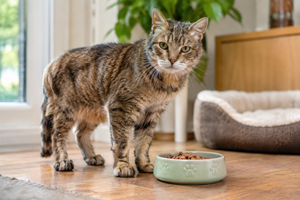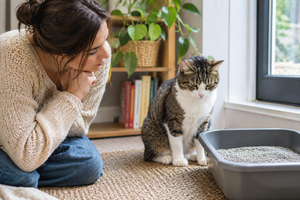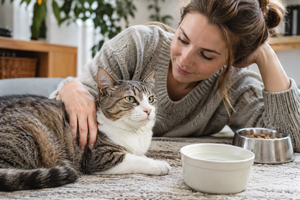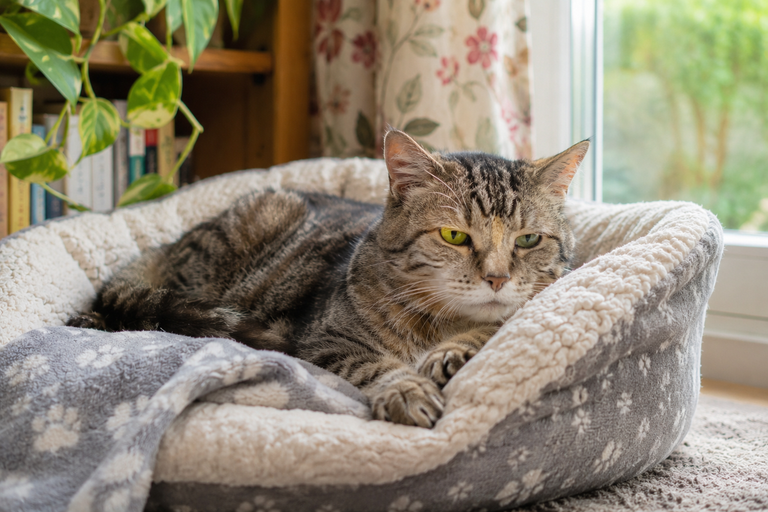
Arthritis in cats is a painful joint condition that can make jumping, climbing and grooming increasingly difficult. Unlike dogs, affected cats rarely display obvious signs of discomfort. Instead, they may gradually abandon favourite activities, leaving owners unaware that their pets are experiencing chronic pain.
Recognising these changes can help owners seek treatment before mobility deteriorates further. This guide explains feline arthritis, veterinary treatment, financial planning and practical home adjustments. For additional UK pet health and insurance information, explore PetCoverHQ.
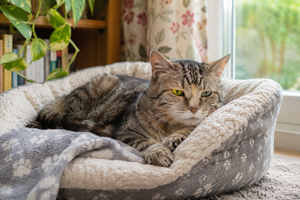
What Is Arthritis in Cats?
Osteoarthritis, also called degenerative joint disease, develops when protective structures within a joint deteriorate. These changes can cause inflammation, stiffness and persistent discomfort. Although the condition primarily affects older cats, younger animals may develop joint disease following injuries or developmental abnormalities.
According to Cats Protection, approximately 90% of cats over 12 years old show some degree of arthritis on X-rays. However, radiographic changes do not necessarily indicate the severity of pain experienced by every individual cat. Behavioural assessment remains particularly important. Cats Protection
What Are the Early Signs of Arthritis in Cats?
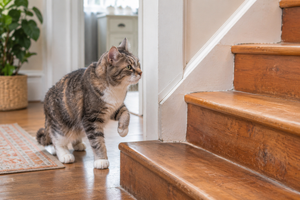
Owners often mistake reduced activity for normal ageing. However, changes in everyday movement can indicate underlying discomfort. A cat that previously jumped onto a windowsill but now uses nearby furniture as intermediate steps may be adapting its behaviour to avoid painful movements.
| Symptom | What owners may notice |
|---|---|
| Reduced jumping | Avoiding furniture or windowsills |
| Stiffness | Difficulty moving after resting |
| Reduced grooming | Matted or untidy fur |
| Mobility changes | Hesitation when climbing stairs |
| Irritability | Discomfort when stroked or handled |
| Toileting difficulties | Accidents outside the litter tray |
| Reduced activity | Less interest in playing |
| Overgrown claws | Reduced scratching activity |
| Muscle loss | Thinner muscles around the hindquarters |
Arthritis in Cats Without Limping
A cat does not need to limp to experience significant joint pain. When several joints are affected, movement may become generally restricted rather than visibly uneven. The absence of obvious lameness should therefore never be used to dismiss persistent behavioural changes.
When Should You Contact a Vet?
Arrange a veterinary appointment when your cat develops persistent stiffness, reduced mobility or difficulty accessing essential resources. Sudden paralysis, severe pain, collapse or inability to use the hind legs requires emergency assessment because these symptoms may indicate conditions other than arthritis.
How Do Vets Diagnose Feline Arthritis?
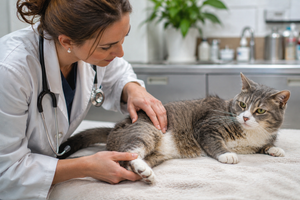
Veterinary assessment combines medical history, observation of movement and examination of affected joints. X-rays may help identify structural changes, although imaging findings do not always correspond closely with pain severity. Blood testing may also help identify conditions that influence treatment selection.
Record short videos of your cat performing ordinary activities at home. Footage showing walking, climbing or naturally attempting to jump may reveal difficulties that are less apparent during a consultation. Never encourage your cat to perform movements that appear painful.
Additional diagnostic information is available through the PDSA guide to feline arthritis. PDSA
How Is Arthritis in Cats Treated?
Treatment focuses on reducing pain, maintaining mobility and protecting quality of life. Most cats benefit from an individual management plan rather than a single intervention. Age, kidney function, existing medication and the severity of discomfort can influence the most suitable approach.
Anti-Inflammatory Medication
Veterinary-prescribed non-steroidal anti-inflammatory drugs, commonly called NSAIDs, can help manage joint pain and inflammation. Regular monitoring may be necessary, particularly in older cats with underlying health conditions. Never administer human painkillers such as ibuprofen or paracetamol, which can be extremely dangerous.
Monoclonal Antibody Injections
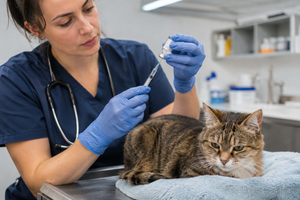
Frunevetmab, marketed as Solensia, is an injectable treatment that targets nerve growth factor to reduce osteoarthritis-associated pain. It is generally administered monthly. Treatment suitability and continuation depend on individual response, medical history and veterinary assessment rather than age alone. VMD+1
The UK Veterinary Medicines Directorate has also published safety information about Solensia, including recognised adverse reactions. Owners should discuss potential benefits, monitoring requirements and medication risks with their veterinary team before beginning treatment. Report unexpected symptoms following an injection promptly. GOV.UK
Comparing Treatment Options
| Treatment | Purpose | Consideration |
|---|---|---|
| Prescription NSAIDs | Control pain and inflammation | Health monitoring may be required |
| Monoclonal antibody injections | Reduce osteoarthritis pain | Veterinary appointments and monitoring |
| Joint supplements | Support joint health | Limited evidence of effectiveness |
| Weight management | Reduce unnecessary joint strain | Requires an individual nutritional plan |
| Environmental adjustments | Improve daily accessibility | Supports rather than replaces pain relief |
| Rehabilitation | Support controlled movement | Requires suitable professional guidance |
How Much Does Cat Arthritis Treatment Cost in the UK?
The cost of managing arthritis in cats depends on medication, veterinary monitoring and the presence of other illnesses. Owners should budget for ongoing care rather than focusing entirely on diagnostic expenses. Request separate quotations for monthly treatment and periodic health assessments.
Illustrative Monthly Treatment Budget
The following scenarios are hypothetical budgeting examples, not verified UK market averages or individual veterinary quotations.
| Expense | Lower budget scenario | Higher budget scenario |
|---|---|---|
| Monthly treatment | £30 | £90 |
| Annual monitoring expenses | £180 | £360 |
| Annual medication expenses | £360 | £1,080 |
| Annual home-care expenses | £60 | £120 |
| Estimated annual budget | £600 | £1,560 |
Long-Term Treatment Budget Calculator
Use your veterinary practice’s quoted prices to estimate potential ongoing expenses.Monthly treatment (£)Monitoring visit cost (£)Monitoring visits per yearOther annual expenses (£)
Estimated annual expenditure
£1,100.00
Three-year expenditure
£3,300.00
Five-year expenditure
£5,500.00
Illustrative calculation excluding inflation, initial diagnosis and unexpected veterinary expenses.
Does Pet Insurance Cover Arthritis in Cats?
UK pet insurance may cover eligible investigations, prescribed medication and ongoing treatment when arthritis develops after cover begins and relevant waiting periods have ended. Lifetime policies may continue supporting eligible chronic conditions across renewals, subject to benefit limits and contractual requirements.
Previous symptoms can affect claim eligibility even when arthritis had not been formally diagnosed. Check whether your policy covers repeated injections, monitoring tests and rehabilitation. Understanding excesses, percentage contributions and pre-existing condition exclusions can help prevent unexpected expenses during long-term treatment.
Example Arthritis Insurance Claim
Assume a hypothetical policy with a £100 fixed excess and a 20% co-payment calculated after the excess.
| Claim calculation | Amount |
|---|---|
| Eligible annual treatment costs | £1,560 |
| Fixed excess | £100 |
| Remaining eligible amount | £1,460 |
| 20% co-payment | £292 |
| Potential insurer reimbursement | £1,168 |
| Total owner contribution | £392 |
Actual reimbursements depend on policy terms and remaining benefits.
How to Help a Cat With Arthritis at Home
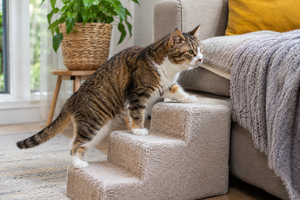
Small environmental adjustments can reduce unnecessary strain during everyday activities. Focus first on areas your cat uses most frequently, including feeding stations, sleeping places and litter trays. Suitable changes should allow independent movement without requiring difficult jumps or uncomfortable climbing.
| Household problem | Practical adjustment |
|---|---|
| Difficulty reaching the sofa | Stable, non-slip pet steps |
| High-sided litter tray | Low-entry litter tray |
| Slippery flooring | Secure non-slip mats |
| Difficulty reaching food | Easily accessible feeding station |
| Uncomfortable sleeping area | Supportive padded bedding |
| Difficulty grooming | Gentle grooming assistance |
| Reduced physical activity | Short, gentle play sessions |
The Animal Trust guide to feline osteoarthritis provides additional recommendations for supporting mobility and comfort. Animal Trust Vets
A Weekly Mobility and Pain Monitoring Record
Compare your cat’s ability to complete familiar activities over time. Choose behaviours that occur naturally and record whether movement appears comfortable, difficult or avoided. This information can help your veterinarian evaluate treatment response without relying entirely on occasional examinations.
| Activity | Week 1 | Week 2 | Week 3 | Week 4 |
|---|---|---|---|---|
| Walking comfortably | ||||
| Climbing stairs | ||||
| Accessing favourite bed | ||||
| Using the litter tray | ||||
| Grooming independently | ||||
| Playing voluntarily |
Suggested recording categories: comfortable, some difficulty, avoided, or not observed.
This is an informal observation record, not a validated clinical pain assessment.
Conclusion
Arthritis in cats requires ongoing attention, but appropriate pain management and practical household adjustments can help affected pets remain comfortable. Early assessment is particularly valuable when older cats gradually abandon familiar activities. Discover more UK-focused veterinary cost guides and insurance resources at PetCoverHQ.
Frequently Asked Questions
Can arthritis in cats be cured?
Osteoarthritis is generally a progressive condition without a complete medical cure. However, veterinary treatment can improve comfort and support mobility. Some underlying joint abnormalities may benefit from surgery, while most cats require an ongoing combination of pain management and environmental support.
How long can a cat live with arthritis?
Many cats with well-managed arthritis maintain a comfortable quality of life for years. Prognosis depends on pain severity, treatment response and accompanying medical conditions. Regular veterinary reviews help identify when existing management strategies require adjustment as the cat’s needs change.
Is walking good for cats with arthritis?
Gentle voluntary movement can help maintain mobility and muscle condition. However, strenuous exercise or forced jumping may increase discomfort. Encourage manageable activities suited to your cat’s abilities, and ask your vet whether a more structured rehabilitation programme would be appropriate.