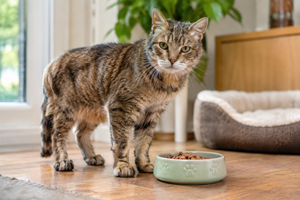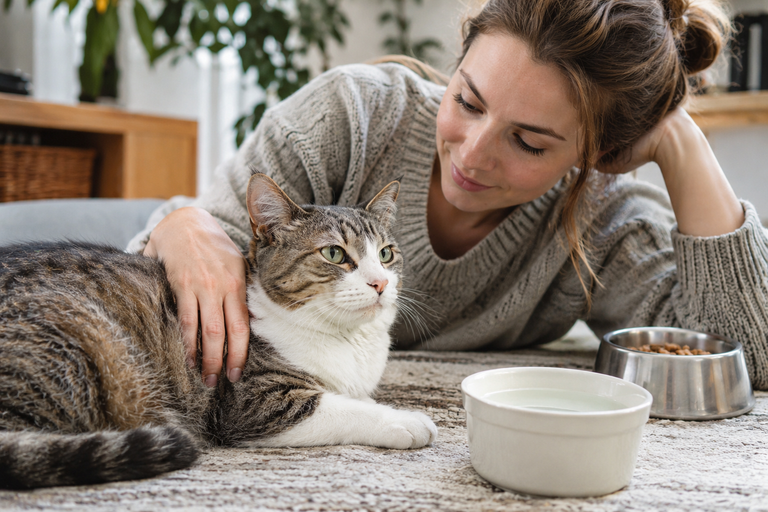
Diabetes in cats can develop gradually, often causing increased thirst, frequent urination and unexplained weight loss. Some affected cats appear constantly hungry despite losing body condition, while others become noticeably less active. Recognising these changes early can improve the chances of successful treatment.
Although a diabetes diagnosis may initially seem overwhelming, many affected cats can enjoy a comfortable life with suitable treatment and consistent care. Some even achieve diabetic remission under veterinary supervision.
This guide explains the warning signs, treatment options, UK veterinary expenses and practical daily care. For more helpful pet health information and insurance guidance, explore PetCoverHQ.
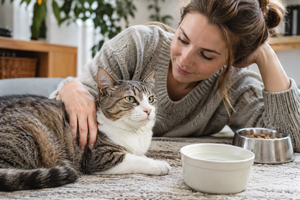
What Is Diabetes in Cats?
Diabetes mellitus is a metabolic disorder that affects the body’s ability to regulate blood glucose. Insulin, a hormone produced by the pancreas, normally helps glucose enter cells, where it can be used as an energy source.
When insulin production becomes insufficient or the body responds poorly to insulin, glucose accumulates in the bloodstream. The body may then begin breaking down stored fat and muscle to meet its energy requirements.
Feline diabetes frequently shares characteristics with type 2 diabetes in humans, although treatment requirements differ. Some cats require lifelong insulin, while others may qualify for alternative veterinary treatments.
What Are the Early Symptoms of Diabetes in Cats?
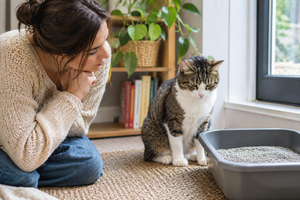
The earliest symptoms often involve changes in everyday habits. Owners may notice that water bowls need refilling more frequently or that their cat’s litter tray contains unusually large urine clumps.
| Symptom | What you may notice |
|---|---|
| Increased thirst | Drinking more frequently than usual |
| Frequent urination | Larger or more numerous urine clumps |
| Increased appetite | Persistent hunger after meals |
| Weight loss | Loss of fat and muscle |
| Reduced activity | Less interest in playing |
| Poor coat condition | Greasy or untidy fur |
| Hind leg weakness | An unusual, lowered walking posture |
| Vomiting | Digestive symptoms, particularly when seriously unwell |
These symptoms can also occur with kidney disease, thyroid disorders and other medical conditions.
The Cats Protection guide to feline diabetes provides further information about recognising symptoms and understanding the condition. Cats Protection
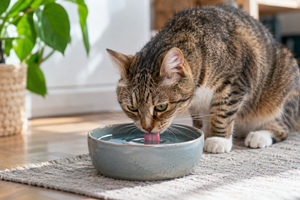
Why Is My Cat Drinking So Much Water?
When blood glucose becomes excessively elevated, glucose may pass into the urine. This increases water loss through urination, causing the cat to drink more to compensate.
Increased thirst should never be treated by restricting access to water. Instead, arrange a veterinary examination to investigate the underlying cause.
Why Is My Cat Eating More but Losing Weight?
A diabetic cat may struggle to use glucose effectively despite consuming sufficient food. The body compensates by using alternative energy stores, including fat and muscle tissue.
This explains why an apparently healthy appetite does not necessarily indicate good health.
Persistent weight loss deserves veterinary investigation, particularly when accompanied by increased thirst or urination.
Can Diabetes Affect a Cat’s Back Legs?
Some diabetic cats develop peripheral nerve damage, known as diabetic neuropathy.
Affected cats may walk with their hocks closer to the ground instead of maintaining their usual upright position.
Early recognition and improved diabetic control may help some cats recover neurological function. However, sudden hind leg weakness or paralysis requires emergency assessment because other serious conditions can cause similar symptoms.
What Causes Diabetes in Cats?
Feline diabetes can develop through a combination of metabolic, genetic and environmental factors.
Understanding these risk factors can help owners make appropriate decisions about nutrition, exercise and preventive veterinary care.
Obesity
Excess body fat can reduce the body’s responsiveness to insulin.
Overweight cats may therefore have a higher risk of developing diabetes than cats maintaining a healthy body condition.
Gradual, veterinary-supervised weight management can reduce this risk and support treatment in affected cats.
Increasing Age
Diabetes is more frequently diagnosed in middle-aged and older cats.
However, younger cats can also develop the condition, particularly when other risk factors are present.
Regular examinations become increasingly valuable as cats age.
Pancreatic Disease
The pancreas plays an essential role in insulin production.
Inflammation or damage affecting pancreatic tissue may interfere with its normal function and contribute to diabetic disease.
Certain Medications
Long-term use of some medications, including corticosteroids, may influence insulin responsiveness.
Never discontinue prescribed medication without discussing the potential risks and alternatives with your vet.
Underlying Hormonal Disorders
Some hormonal conditions can make diabetes more difficult to control.
For example, excessive growth hormone production associated with hypersomatotropism can cause significant insulin resistance.
Veterinarians may investigate underlying disorders when a cat does not respond as expected to treatment.
Diabetes vs Kidney Disease and Hyperthyroidism
Several common feline diseases produce similar symptoms. A veterinary examination and appropriate diagnostic tests are essential for distinguishing between them.
| Symptom | Diabetes | Kidney disease | Hyperthyroidism |
|---|---|---|---|
| Increased thirst | Common | Common | Common |
| Increased urination | Common | Common | Common |
| Weight loss | Common | Common | Common |
| Increased appetite | Common | Less typical | Common |
| Restlessness | Variable | Less typical | Common |
| Reduced appetite | Possible | Common in advanced disease | Possible |
| Hind leg neuropathy | Possible | Less typical | Less typical |
More than one condition can exist simultaneously. Owners should avoid attempting to diagnose their cat solely by comparing symptoms.
How Do Vets Diagnose Diabetes in Cats?
Diagnosing diabetes in cats involves assessing clinical symptoms alongside laboratory findings.
A single elevated blood glucose result may not be enough to confirm diabetes because stress can temporarily increase glucose concentrations.
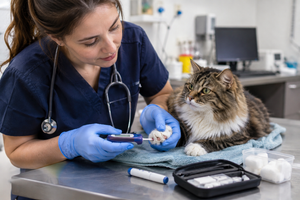
Physical Examination
Your vet will assess body weight, muscle condition, hydration and general health.
They may also ask about appetite, drinking habits, urination and previous medication.
These details help determine which diagnostic tests are appropriate.
Blood Glucose Testing
A blood test measures the concentration of glucose circulating in the bloodstream.
Persistent elevation alongside compatible symptoms may indicate diabetes. Additional investigations can help distinguish genuine disease from a temporary stress response.
Fructosamine Testing
Fructosamine provides information about average glucose concentrations over a longer period than a single blood glucose measurement.
This can be particularly useful when stress-related glucose elevation complicates diagnosis.
The result must be interpreted alongside other clinical findings.
Urine Testing
Urinalysis may identify glucose, ketones and abnormalities associated with other urinary conditions.
Ketone testing is particularly important when investigating seriously unwell diabetic cats or assessing suitability for certain treatments.
Additional Investigations
Blood chemistry profiles, blood counts and other tests may help identify concurrent illnesses.
The 2025 iCatCare consensus guidelines on feline diabetes emphasise individual assessment, consideration of underlying conditions and an appropriate monitoring programme. PubMed Central (PMC)
How Is Diabetes in Cats Treated?
Treatment aims to control clinical symptoms, maintain appropriate glucose regulation and protect the cat’s quality of life.
Modern treatment approaches include insulin, selected oral medications, nutritional management and regular monitoring.
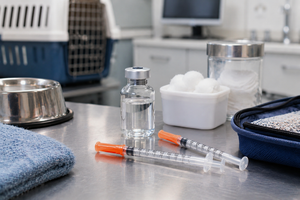
1. Insulin Treatment
Insulin remains an important treatment option for feline diabetes.
Many cats receive injections once or twice daily, depending on the prescribed insulin and veterinary treatment plan.
Your veterinary team should demonstrate the correct administration technique, storage requirements and equipment before treatment begins.
Never independently change the prescribed amount or substitute a different syringe or insulin product.
2. Oral Diabetes Medication
Selected diabetic cats may qualify for oral medication belonging to a class known as SGLT2 inhibitors.
These medicines help lower blood glucose by increasing glucose excretion through urine.
However, they are not suitable for every diabetic cat. Cats with certain complications, dehydration, poor appetite or insufficient insulin production may require insulin-based treatment instead.
The risk of diabetic ketoacidosis remains an important concern, including cases where blood glucose is not markedly elevated.
Recent veterinary guidance recognises oral treatment as an additional option when careful patient selection and appropriate monitoring are possible. Sage Journals
3. Dietary Management
Nutrition can influence glucose regulation and treatment requirements.
Many diabetic cats benefit from a suitable high-protein, lower-carbohydrate diet. However, nutritional recommendations must also account for kidney function, body condition and concurrent illnesses.
Consistency is particularly important when a cat receives insulin.
Discuss dietary changes with your vet because changes in carbohydrate consumption may affect medication requirements.
4. Gradual Weight Management
Overweight diabetic cats may benefit from a carefully managed reduction in body weight.
Abrupt food restriction is inappropriate and can lead to additional health problems.
Underweight cats may instead require nutritional support to restore healthy body condition.
5. Regular Glucose Monitoring
Monitoring helps veterinarians assess whether treatment is achieving appropriate results.
Depending on the individual cat, this may involve laboratory tests, home glucose measurements or continuous glucose monitoring devices.
Owners should receive practical training before attempting blood glucose testing at home.
Insulin vs Oral Diabetes Treatment
| Feature | Insulin | SGLT2 inhibitor |
|---|---|---|
| Administration | Injection | Oral medication |
| Treatment frequency | Depends on prescribed product | Usually daily |
| Suitability | Broad range of diabetic cats | Carefully selected cats |
| Hypoglycaemia risk | Important treatment consideration | Generally lower when used alone |
| Ketoacidosis risk | Possible with inadequate diabetic control | Requires particular attention |
| Monitoring | Clinical signs and glucose regulation | Clinical signs, ketones and other veterinary assessments |
Neither approach is automatically preferable for every cat. Treatment selection should be based on veterinary assessment rather than convenience or cost alone.
What Is Diabetic Ketoacidosis in Cats?
Diabetic ketoacidosis, commonly abbreviated to DKA, is a serious metabolic complication.
It develops when insufficient effective insulin causes excessive ketone production, leading to dangerous metabolic disturbances.
Affected cats may become severely dehydrated and require intensive veterinary treatment.
Emergency Warning Signs
Contact an emergency veterinary practice immediately if your diabetic cat develops:
- Repeated vomiting.
- Severe weakness or collapse.
- Unusual or laboured breathing.
- Profound lethargy.
- Refusal to eat combined with other signs of illness.
- Marked dehydration or reduced responsiveness.
Cats receiving SGLT2 inhibitors can develop ketoacidosis without extremely high glucose readings. A seemingly acceptable glucose result does not rule out an emergency.
Hospital treatment may involve fluid therapy, insulin, electrolyte correction and investigation of underlying causes.
What Should You Do If a Diabetic Cat Has Low Blood Sugar?
Hypoglycaemia occurs when blood glucose falls too low.
It may develop when insulin requirements change, food consumption decreases or an incorrect insulin amount is administered.
Possible symptoms include trembling, weakness, unsteady walking, confusion, twitching and seizures.
If your cat is conscious and can swallow safely, offer food. If it refuses food, a small amount of honey or glucose syrup may be applied to the gums if this can be done safely.
Contact an emergency vet immediately, even if symptoms appear to improve.
Never force food or liquid into the mouth of an unconscious or actively fitting cat. Follow the emergency veterinary team’s instructions regarding further treatment and medication.
The PDSA veterinary guide to diabetes provides additional guidance on recognising and responding to hypoglycaemia. PDSA
How Much Does Diabetes Treatment for Cats Cost in the UK?
The cost of managing diabetes in cats depends on medication selection, diagnostic requirements, monitoring frequency and whether complications develop.
Owners should distinguish between medication expenses and the complete cost of veterinary management.
Published Medication Cost Examples
A 2026 veterinary article in In Practice, published through the British Veterinary Association’s journal platform, provides comparative treatment costs for an illustrative 4 kg cat over 28 days.
| Treatment equipment or medication | Published 28-day cost |
|---|---|
| Lente insulin pen and needles | £45 |
| Lente insulin vial and needles | £35 |
| Protamine zinc insulin vial and needles | £50 |
| Oral SGLT2 inhibitor | £43 |
Source: Feline diabetes. Part 1: diagnosis and treatment options. British Veterinary Association
These figures are published treatment examples, not guaranteed retail prices or complete monthly veterinary bills.
Actual expenses depend on the prescribed product, individual requirements and veterinary practice.
Additional Expenses to Consider
| Expense | Purpose |
|---|---|
| Initial consultation | Assessing symptoms |
| Blood and urine tests | Confirming diabetes |
| Fructosamine testing | Evaluating glucose regulation |
| Follow-up consultations | Reviewing treatment response |
| Glucose monitoring equipment | Supporting home monitoring |
| Specialised food | Meeting nutritional requirements |
| Emergency hospitalisation | Managing serious complications |
Example Annual Diabetes Treatment Budget
The following is a hypothetical budget for a stable diabetic cat. Monitoring, food and equipment costs are illustrative assumptions rather than quoted market prices.
| Expense | Annual cost |
|---|---|
| Medication at £45 every 28 days | £585 |
| Four monitoring appointments at £125 each | £500 |
| Additional dietary expenditure of £25 per month | £300 |
| Monitoring supplies and other expenses | £150 |
| Total illustrative annual expense | £1,535 |
This represents approximately £128 per calendar month, excluding initial diagnostic investigations and emergency treatment.
£0£200£400£600£800MedicationMonitoring appointm…Dietary costsOther supplies
Actual expenses may be significantly higher or lower. Request a personalised written estimate from your veterinary practice.
Does Pet Insurance Cover Diabetes in Cats?
UK pet insurance may cover eligible diagnostic tests, prescription medication and veterinary monitoring when diabetes develops during an active policy.
However, the extent of cover depends on policy wording and exclusions.
Lifetime Pet Insurance
Lifetime policies may provide ongoing financial support for eligible chronic conditions, provided renewal requirements are met and sufficient benefit limits remain available.
This can be particularly relevant for cats requiring several years of treatment.
Pre-Existing Condition Exclusions
If a cat experienced diabetic symptoms before the policy began, related investigations and treatment may be excluded.
An official diagnosis is not always necessary for an insurer to classify a condition as pre-existing. Previous symptoms and veterinary records may also be considered.
What Expenses Might Not Be Covered?
Owners should investigate whether their policy excludes:
- Prescription diets and ordinary food.
- Home glucose monitoring equipment.
- Routine preventive examinations.
- Treatment relating to pre-existing conditions.
- Expenses above annual or condition-specific limits.
Example Insurance Claim
Consider a hypothetical diabetic cat with £1,800 in eligible veterinary expenses.
The policy includes a £100 fixed excess and a 10% co-payment applied after the excess.
| Claim calculation | Amount |
|---|---|
| Eligible treatment expenses | £1,800 |
| Fixed excess | £100 |
| Remaining eligible amount | £1,700 |
| Percentage co-payment | £170 |
| Potential insurer reimbursement | £1,530 |
| Owner contribution | £270 |
This example assumes sufficient insurance benefits remain available and that no other exclusions apply.
Always check how your insurer calculates excesses and percentage contributions.
Can Diabetes in Cats Go Into Remission?
Diabetic remission occurs when a previously diabetic cat can maintain acceptable glucose regulation without glucose-lowering treatment.
Not every cat achieves remission, and it should never be assumed simply because symptoms improve.
Factors that may influence remission include early diagnosis, effective glucose management, appropriate nutrition and the presence of other medical conditions.
Cats in remission can experience a recurrence of diabetes. Continued health monitoring and suitable veterinary follow-up remain important.
Never stop insulin or other prescribed medication without veterinary approval.
How to Care for a Diabetic Cat at Home
Successful diabetic management depends on a routine that is realistic for both the cat and its owner.
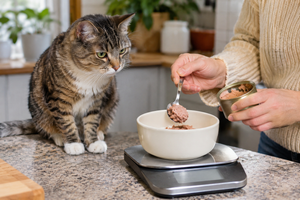
Establish a Consistent Feeding Routine
Provide the type and quantity of food recommended by your vet.
Record significant appetite changes, particularly when your cat receives insulin or oral diabetes medication.
If your cat refuses food, vomits or becomes unwell, contact your vet for guidance before continuing medication as usual.
Maintain a Medication Record
A simple written record can prevent missed or duplicated medication.
This becomes particularly important when several household members share responsibility for the cat.
If you are unsure whether a treatment has already been given, contact your vet instead of administering another dose.
Monitor Water Consumption
Observe changes in drinking and litter tray habits.
Never restrict water access.
Persistent increases in thirst may indicate inadequate diabetic control or another medical condition requiring investigation.
Track Body Weight
Weigh your cat regularly using suitable equipment.
Gradual changes may be difficult to identify by appearance alone, particularly in long-haired cats.
Discuss unexpected gains or losses with your veterinary team.
Prepare an Emergency Care Plan
Keep the contact details of your daytime vet and out-of-hours veterinary service readily available.
Ask your vet to explain what to do when your cat refuses food, misses medication or develops emergency symptoms.
Printable Daily Diabetic Cat Monitoring Record
The following template can help owners record useful information between veterinary appointments.
| Time | Food consumed | Medication given | Drinking and urination | Behaviour |
|---|---|---|---|---|
| Morning | ||||
| Afternoon | ||||
| Evening |
Additional information to record includes weekly body weight, vomiting episodes, prescribed glucose measurements and unusual behaviour.
Bring this record to your cat’s follow-up appointments. It may help your vet identify patterns that are not apparent from occasional examinations.
Can Feline Diabetes Be Prevented?
Not all cases can be prevented. However, maintaining a healthy body condition and encouraging regular activity may reduce selected risk factors.
Provide a nutritionally complete diet, measure food portions and encourage appropriate daily play.
Older cats may benefit from routine veterinary examinations that identify metabolic abnormalities before obvious symptoms develop.
Owners should also discuss potential medication-related risks with their vet when long-term treatment for another illness is required.
Frequently Asked Questions
How long can cats live with diabetes?
Many successfully managed diabetic cats can live comfortably for several years. Prognosis depends on treatment response, complications, age and other medical conditions.
Is diabetes in cats curable?
Some cats achieve diabetic remission, meaning they no longer require glucose-lowering treatment. However, diabetes can return, and ongoing monitoring remains necessary.
Can diabetic cats be treated without injections?
Yes, selected cats may qualify for oral SGLT2 inhibitor treatment. A veterinarian must determine whether the cat is medically suitable for this approach.
Can a diabetic cat eat ordinary cat food?
Some cats can receive suitable ordinary food alongside treatment. Dietary recommendations should account for carbohydrate content, body condition and other health requirements.
What happens if a cat misses an insulin injection?
Contact your vet for individual instructions. Do not automatically double the next dose or change the schedule yourself.
Is feline diabetes contagious?
No. Diabetes is a metabolic disorder and cannot spread between cats through ordinary contact.
Can stress cause high blood glucose in cats?
Yes. Stress can temporarily elevate feline blood glucose, which is one reason additional diagnostic investigations may be necessary.
Is treating a diabetic cat expensive?
Expenses vary according to medication, monitoring, nutritional requirements and complications. Stable cases may require substantially less expenditure than cats needing emergency hospitalisation.
Final Thoughts
Diabetes in cats is a serious but frequently manageable condition. Early recognition of increased thirst, unusual urination, weight loss and appetite changes can help owners obtain veterinary treatment sooner.
Modern treatment options, appropriate nutrition and consistent monitoring can support a comfortable quality of life. Understanding the financial requirements and insurance limitations also helps owners prepare for long-term care.
For more UK-focused pet health guides, veterinary cost information and independent pet insurance resources, visit PetCoverHQ.