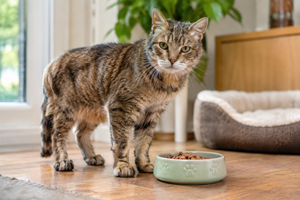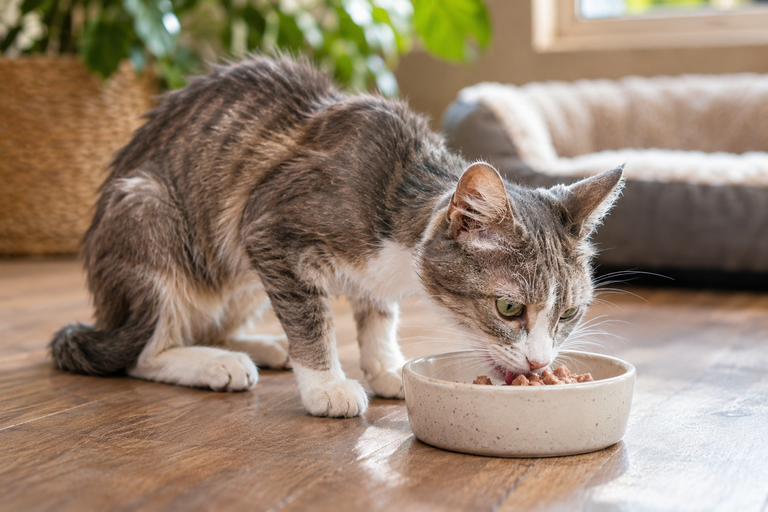
Hyperthyroidism in cats is a hormonal disorder that commonly affects middle-aged and older cats. It develops when the thyroid glands produce excessive amounts of thyroid hormones, causing the body’s metabolism to accelerate.
One of the most noticeable warning signs is unexplained weight loss despite an increased appetite. Affected cats may also drink more water, become unusually restless or develop digestive problems.
Fortunately, several effective treatment options are available. This guide explains the symptoms, diagnosis, treatment costs and long-term management of feline hyperthyroidism in the UK. For more practical pet health and insurance information, explore PetCoverHQ.
What Is Hyperthyroidism in Cats?
Cats have two thyroid glands located in the neck. These glands produce hormones involved in regulating metabolism, energy expenditure and several essential bodily functions.
When thyroid hormone production becomes excessive, the body uses energy faster than normal. This can place additional strain on the heart, muscles and other organs.
Most cases involve benign changes within thyroid tissue rather than cancer. However, malignant thyroid tumours can occasionally be responsible.
The condition is treatable, but leaving it unmanaged can lead to serious health complications.
What Are the Symptoms of Hyperthyroidism in Cats?
Symptoms often develop gradually, making early changes difficult to recognise.
Owners may initially believe their cat is simply becoming more active or developing a healthier appetite.
| Symptom | What owners may notice |
|---|---|
| Weight loss | Reduced body weight despite regular meals |
| Increased appetite | Constant hunger or begging for food |
| Increased thirst | More frequent visits to water bowls |
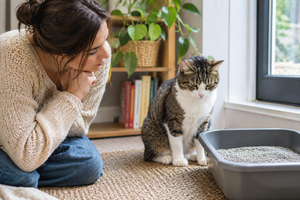
| Increased urination | Larger or more numerous litter clumps |
| Hyperactivity | Restlessness and difficulty settling |
| Increased vocalisation | More frequent meowing, particularly at night |
| Vomiting | Recurring digestive disturbances |
| Diarrhoea | Loose or more frequent stools |
| Poor coat condition | Greasy, untidy or unkempt fur |
| Muscle loss | Reduced muscle mass around the spine and hips |
These symptoms can overlap with other medical conditions. The University of Edinburgh’s feline radioiodine service also highlights cardiovascular complications associated with excess thyroid hormones. vet.ed.ac.uk
Why Is My Cat Losing Weight but Eating More?
An overactive thyroid increases the rate at which the body uses energy.
Even when a cat consumes more food, its nutritional intake may not compensate for the increased metabolic demands.
Over time, the body may lose both fat and muscle.
However, diabetes, intestinal disease and other medical conditions can produce similar symptoms. A veterinary examination is essential for establishing the cause.
Can Hyperthyroidism Make Cats Aggressive?
Some affected cats become restless, irritable or unusually sensitive to handling.
Changes in behaviour may result from increased metabolic activity, discomfort or difficulty resting.
Sudden behavioural changes in an older cat should not automatically be attributed to ageing.
Can Cats Have Hyperthyroidism Without an Increased Appetite?
Yes. Not every affected cat displays the classic combination of excessive hunger and weight loss.
Some cats develop reduced appetite, weakness and lethargy instead.
Concurrent medical conditions can also alter the way symptoms appear.
What Causes Hyperthyroidism in Cats?
Most cases develop because abnormal thyroid tissue produces excessive hormones.
The precise reason these changes occur is not fully understood.
Researchers have investigated several possible risk factors, including age, genetic susceptibility and environmental exposure. However, no single dietary or household factor has been conclusively established as the cause of every case.
Age
Hyperthyroidism is most frequently diagnosed in older cats.
Regular senior health examinations can help identify changes before more serious complications develop.
Benign Thyroid Enlargement
Non-cancerous enlargement of thyroid tissue accounts for most feline cases.
One or both thyroid glands may be affected.
Thyroid Tumours
Malignant thyroid tumours are considerably less common.
Additional investigations may be required when a tumour is suspected or when conventional treatment does not produce the expected response.
Hyperthyroidism vs Other Common Diseases in Older Cats
Several medical conditions can cause weight loss, increased thirst and behavioural changes.
Understanding these similarities can help owners prepare for a veterinary appointment.
| Feature | Hyperthyroidism | Diabetes | Chronic kidney disease |
|---|---|---|---|
| Weight loss | Common | Common | Common |
| Increased appetite | Common | Common | Variable |
| Increased thirst | Common | Common | Common |
| Increased urination | Common | Common | Common |
| Restlessness | May occur | Less characteristic | Less characteristic |
| Reduced appetite | Sometimes | Possible | Common in advanced disease |
| Primary diagnostic tests | Thyroid hormone tests | Blood glucose and urine tests | Blood and urine tests |
This comparison is not a diagnostic tool. Cats can have more than one of these conditions simultaneously.
How Do Vets Diagnose Hyperthyroidism in Cats?
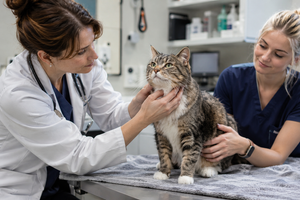
A veterinary assessment usually includes a physical examination, medical history and laboratory testing.
Your vet may examine your cat’s body condition, heart rate, thyroid region and overall health.
Total T4 Blood Test
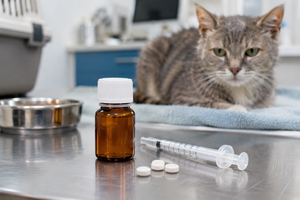
Total thyroxine, commonly called total T4, is a primary blood marker used to investigate hyperthyroidism.
An elevated result alongside compatible symptoms may confirm the diagnosis.
However, some affected cats have thyroid hormone concentrations within the reference range during early disease or when another illness is present.
Your vet may recommend repeat testing or additional thyroid investigations.
Kidney Function Tests
Kidney assessment is particularly important in older cats.
Hyperthyroidism can increase blood flow through the kidneys, potentially masking underlying kidney dysfunction.
Once thyroid hormone levels return towards normal, previously hidden kidney disease may become apparent.
PDSA’s veterinary guidance on feline hyperthyroidism explains why kidney function should be considered when selecting and monitoring treatment. PDSA
Blood Pressure Measurement
Excess thyroid hormones can contribute to high blood pressure.
Untreated hypertension may damage the eyes, kidneys, heart and other organs.
Monitoring blood pressure helps determine whether additional treatment is required.
Heart Assessment
A vet may identify an unusually rapid heartbeat, abnormal heart rhythm or heart murmur during examination.
Selected cats may require an ultrasound examination of the heart or other cardiovascular investigations.
Additional Laboratory Tests
Your vet may recommend urine testing, liver function assessment, a complete blood count and other investigations.
These tests help identify concurrent illnesses and establish baseline measurements before treatment.
When Is Hyperthyroidism in Cats an Emergency?
Most suspected cases require a prompt veterinary appointment rather than immediate emergency hospitalisation.
However, complications can become serious.
Seek emergency veterinary attention if your cat experiences:
- Open-mouth breathing or severe breathing difficulties.
- Sudden collapse or inability to stand.
- Sudden blindness.
- Severe weakness or unresponsiveness.
- Sudden inability to use one or both back legs.
Contact your vet promptly if your cat repeatedly vomits, stops eating or deteriorates unexpectedly.
Do not wait for a scheduled thyroid check-up if serious new symptoms develop.
How Is Hyperthyroidism in Cats Treated?
Four established treatment approaches are available. Each has different financial, medical and practical considerations.
1. Antithyroid Medication
Prescription antithyroid medicines reduce excessive thyroid hormone production.
They control the condition without removing abnormal thyroid tissue.
Medication is usually required throughout the cat’s life unless another definitive treatment is performed.
Advantages include adjustable treatment and relatively low initial expenditure.
However, regular blood tests remain necessary, and some cats experience adverse effects or find daily medication stressful.
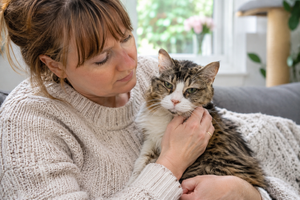
Report vomiting, severe lethargy, facial skin irritation or other unexpected changes following treatment to your vet.
2. Thyroid Surgery
Thyroidectomy involves surgically removing affected thyroid tissue.
It may provide a lasting solution for suitable cats.
However, surgery requires general anaesthesia, and potential complications must be considered. Damage to nearby parathyroid glands can affect calcium regulation.
A cat’s overall health, kidney function and cardiovascular status influence its suitability for surgery.
3. Radioactive Iodine Treatment
Radioiodine therapy uses radioactive iodine to target overactive thyroid tissue.
It is available through specialist veterinary centres and can resolve hyperthyroidism in many cats following a single treatment.
Cats generally require a period of specialist hospitalisation because of radiation safety requirements.
Advantages include the possibility of avoiding lifelong antithyroid medication. However, initial expenses are substantial, and some cats require additional treatment or management of an underactive thyroid afterwards.
Owners should also discuss post-discharge radiation safety instructions with the specialist centre.
4. Prescription Low-Iodine Diet
A specifically formulated iodine-restricted diet may help control excessive thyroid hormone production.
Its effectiveness depends on the cat consuming the prescribed diet exclusively.
This can be difficult in multi-cat households or when a cat regularly hunts outdoors.
Do not attempt to create a homemade iodine-restricted diet without veterinary nutritional guidance.
Cats Protection’s hyperthyroidism guide provides further information about established treatment options. Cats Protection
Comparing Feline Hyperthyroidism Treatment Options
| Treatment | Potential cure | Main consideration |
|---|---|---|
| Medication | No | Daily treatment and monitoring |
| Thyroid surgery | Possible | Anaesthetic and surgical risks |
| Radioactive iodine | Often | Higher initial cost and specialist hospitalisation |
| Prescription diet | No | Strict dietary requirements |
The most appropriate choice depends on the cat’s medical condition, household circumstances, treatment tolerance and available finances.
How Much Does Hyperthyroidism Treatment Cost in the UK?
The cost of treating hyperthyroidism in cats depends on the chosen treatment and the extent of accompanying medical conditions.
Owners should consider both the initial bill and ongoing expenses.
Typical Treatment Costs
Cats Protection provides the following indicative UK treatment costs.
| Treatment | Indicative cost |
|---|---|
| Prescription diet | Around £30 per month |
| Antithyroid medication | Around £50 per month |
| Thyroid surgery | Around £1,000 |
| Radioactive iodine therapy | £2,500–£3,500 |
These figures are general guidance rather than guaranteed quotations. Blood tests, consultations and additional care may increase the total. Cats Protection
Published Radioactive Iodine Prices from UK Providers
Specialist centres publish different treatment prices depending on the services included.
| Veterinary provider | Published price |
|---|---|
| Feline Hyperthyroid Clinic | £3,300 |
| The Hyperthyroid Cat Centre | £3,400 |
| University of Glasgow | £2,700–£3,500 |
| Langford Vets | £4,200 for assessment and standard treatment packages |
£0£1,5 N£3 N£4,5 NFeline Hyperthyroid…Hyperthyroid Cat Ce…Langford Vets
Langford Vets’ price guide, effective from 1 May 2026, lists a £2,000 assessment package and a £2,200 standard treatment package. Other providers include different combinations of investigations, hospitalisation and follow-up services. Langford Vets+3
Always request an individual written quotation before comparing providers.
Comparing Long-Term Treatment Expenses
Consider a hypothetical cat whose ongoing management costs consist of:
| Expense | Annual cost |
|---|---|
| Medication at £50 per month | £600 |
| Three monitoring appointments at £150 each | £450 |
| Total illustrative annual cost | £1,050 |
If these expenses remain unchanged:
3 years
Illustrative cumulative expenditure£3.2K
£0£1,5 N£3 N£4,5 N£6 N1 year2 years3 years4 years5 years
These calculations are illustrative, not a prediction of an individual cat’s veterinary bills. The assumed monitoring appointment price is hypothetical.
A £3,400 radioiodine procedure would equal approximately 3.2 years of the illustrated ongoing expenses, before accounting for follow-up testing and additional treatment.
Financial considerations are important, but treatment suitability and animal welfare should remain the priority.
Does Pet Insurance Cover Hyperthyroidism in Cats?
UK pet insurance may cover eligible thyroid disease investigations and treatment when the condition develops after the policy starts and any applicable waiting period has ended.
Depending on the policy, eligible expenses may include diagnostic blood tests, medication, surgery and specialist treatment.
However, coverage is not automatic.
Lifetime vs Time-Limited Insurance
Lifetime policies may continue covering eligible chronic conditions across annual renewals, subject to the policy terms and benefit limits.
Time-limited policies may restrict cover for an individual condition to a defined period.
This distinction matters because cats receiving antithyroid medication may require treatment and monitoring for several years.
What Should Owners Ask Their Insurer?
| Question | Why it matters |
|---|---|
| Is thyroid disease covered? | Establishes potential eligibility |
| Are ongoing blood tests included? | Determines monitoring benefits |
| Is radioactive iodine covered? | Helps assess specialist treatment expenses |
| What is the remaining annual limit? | Identifies available financial protection |
| Is a co-payment required? | Older cats may have additional contributions |
| Is prescription food excluded? | Prevents unexpected dietary expenses |
| Is referral authorisation necessary? | Identifies requirements before treatment |
Example of a Thyroid Treatment Insurance Claim
Assume a cat receives an eligible £3,400 radioiodine treatment.
The hypothetical policy includes a £100 fixed excess and a 10% co-payment calculated after the excess.
| Claim calculation | Amount |
|---|---|
| Eligible veterinary bill | £3,400 |
| Fixed excess | £100 |
| Remaining eligible amount | £3,300 |
| 10% co-payment | £330 |
| Potential insurer payment | £2,970 |
| Total owner contribution | £430 |
Actual reimbursements depend on the policy wording, remaining benefit limits and eligible expenses.
How to Care for a Cat With Hyperthyroidism at Home
Successful management involves more than administering medication.
Daily observations can help identify changes in treatment response and overall health.
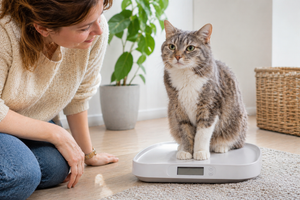
Weigh Your Cat Regularly
Use a suitable pet scale and record your cat’s weight under similar conditions.
Gradual weight loss can be difficult to detect without measurements.
For example, a reduction from 4.5 kg to 4.0 kg represents an 11.1% loss of body weight.
Discuss unexplained weight changes with your vet.
Monitor Food Consumption
Record how much your cat eats each day when practical.
Increased hunger may indicate uncontrolled thyroid activity, whereas reduced appetite could suggest medication intolerance or another illness.
Avoid changing a prescribed diet without professional guidance.
Provide Fresh Drinking Water
Ensure water remains accessible throughout the home.
Never restrict water consumption because your cat is urinating more frequently.
Increased thirst deserves investigation, especially when it persists despite apparently successful thyroid treatment.
Maintain a Medication Routine
Give prescribed medication according to your vet’s instructions.
A simple medication record can help prevent missed or duplicated doses in households where several people care for the cat.
If a dose is missed, ask your vet or follow the supplied medication instructions rather than automatically doubling the next dose.
Attend Regular Monitoring Appointments
Thyroid hormone levels and kidney function can change during treatment.
Follow-up appointments allow your vet to adjust management when necessary.
The appropriate monitoring schedule depends on the treatment selected and your cat’s clinical condition.
A Practical Weekly Thyroid Health Record
Owners can use the following template to track changes between scheduled appointments.
| Observation | What to record |
|---|---|
| Body weight | Current weight and change from previous measurements |
| Appetite | Increased, normal or reduced |
| Drinking | Changes in water consumption |
| Urination | Changes in litter tray habits |
| Activity | Normal, restless or unusually quiet |
| Digestive symptoms | Vomiting or diarrhoea |
| Medication | Missed doses or administration difficulties |
| Behaviour | Vocalisation, irritability or difficulty resting |
Bring this information to veterinary appointments.
Do not delay contacting your vet when concerning symptoms appear simply to complete the monitoring record.
Can Hyperthyroidism in Cats Be Prevented?
There is no established method that guarantees prevention of feline hyperthyroidism.
Nevertheless, routine veterinary examinations can help identify the condition earlier.
Owners of ageing cats should pay particular attention to weight changes, appetite, drinking habits and unexplained behavioural differences.
Discuss appropriate senior health screening with your veterinary practice, particularly if your cat has other chronic health conditions.
Frequently Asked Questions
How long can a cat live with hyperthyroidism?
Many successfully treated cats maintain a good quality of life for years. Individual prognosis depends on age, treatment response, kidney function and other medical conditions.
Can hyperthyroidism in cats be cured?
Radioactive iodine treatment and thyroid surgery can provide a lasting cure in suitable cases. Medication and dietary treatment generally control rather than cure the condition.
What happens if feline hyperthyroidism is left untreated?
Untreated disease can lead to progressive weight loss, muscle deterioration and serious cardiovascular complications.
Can hyperthyroidism affect a cat’s kidneys?
Yes. Excess thyroid hormones can alter kidney blood flow and conceal existing kidney dysfunction. Kidney monitoring is therefore important during treatment.
Is hyperthyroidism painful for cats?
The thyroid disorder does not necessarily cause direct pain, but affected cats may experience considerable discomfort, digestive problems, restlessness and complications.
Can a cat with hyperthyroidism eat ordinary cat food?
Many cats receiving medication can continue eating suitable ordinary cat food. Cats managed through an iodine-restricted prescription diet must follow their veterinary dietary instructions strictly.
Can natural supplements cure feline hyperthyroidism?
No natural supplement has been established as an effective cure. Unproven remedies may delay appropriate treatment or interfere with prescribed management.
Will my cat need blood tests after radioactive iodine treatment?
Yes. Follow-up testing helps assess thyroid function, kidney health and overall treatment response.
Final Thoughts
Hyperthyroidism in cats is a manageable condition that requires timely diagnosis and appropriate veterinary treatment.
Recognising unexplained weight loss, increased hunger, excessive thirst and behavioural changes can help owners identify potential problems earlier.
Medication, surgery, radioactive iodine and specialised diets offer different management approaches. Understanding their benefits, limitations and long-term expenses can support informed discussions with your vet.
For more UK-focused pet health information, veterinary cost guides and independent insurance resources, explore PetCoverHQ.