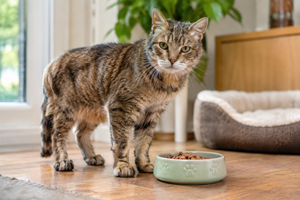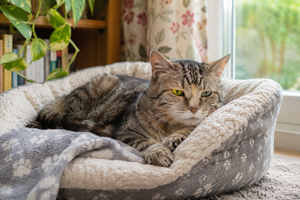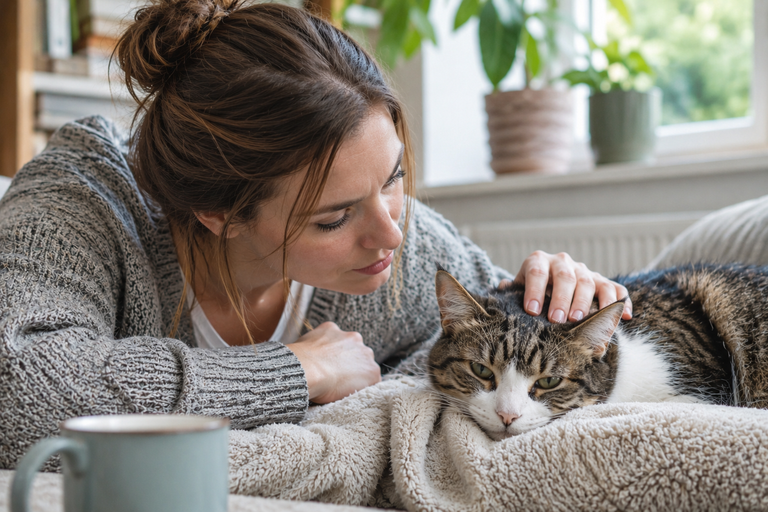
Pancreatitis in cats can be difficult to recognise because affected cats often display subtle symptoms rather than obvious signs of digestive illness. A cat that suddenly loses interest in food, spends more time hiding or becomes unusually quiet may be experiencing pancreatic inflammation.
Unlike dogs, cats with pancreatitis do not always vomit or show noticeable abdominal pain. Consequently, owners may initially mistake the condition for tiredness, stress or a temporary loss of appetite.
This guide explains the warning signs, diagnostic tests, treatment options, UK veterinary costs and practical recovery strategies. For more UK-focused pet health guides and insurance information, visit PetCoverHQ.
What Is Pancreatitis in Cats?
The pancreas is an organ located near the stomach and small intestine. It supports digestion and helps regulate blood glucose through hormone production.
Pancreatitis develops when pancreatic tissue becomes inflamed. This inflammation can interfere with normal digestive functions and affect surrounding organs.
The severity varies considerably. Some cats experience mild episodes, while others become critically ill and require intensive veterinary treatment.
Acute vs Chronic Pancreatitis
| Feature | Acute pancreatitis | Chronic pancreatitis |
|---|---|---|
| Onset | Often sudden | Gradual or recurrent |
| Duration | Short-term episode | Long-term condition |
| Symptoms | May be severe | Often subtle or intermittent |
| Treatment | May require hospitalisation | Often ongoing management |
| Recovery | Full clinical recovery may be possible | Permanent pancreatic damage may occur |
| Recurrence | Possible | Repeated episodes may occur |
A cat with chronic pancreatic inflammation can also experience an acute flare-up. Therefore, previous recovery does not guarantee that future episodes will be mild.
What Are the Symptoms of Pancreatitis in Cats?
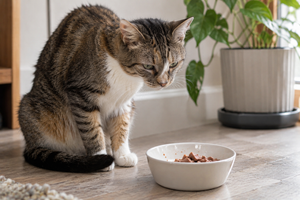
The symptoms of pancreatitis in cats are frequently less obvious than owners expect. Reduced appetite and behavioural changes may appear before noticeable digestive problems.
| Symptom | What owners may notice |
|---|---|
| Reduced appetite | Leaving meals unfinished |
| Lethargy | Sleeping more and showing less interest in activities |
| Hiding | Spending unusual amounts of time alone |
| Vomiting | Occasional or repeated vomiting |
| Weight loss | Gradual reduction in body condition |
| Diarrhoea | Loose or more frequent stools |
| Abdominal discomfort | Reluctance to move or be handled |
| Dehydration | Reduced fluid intake or excessive fluid loss |
| Jaundice | Yellow discolouration of the gums or eyes |
According to Animal Trust’s veterinary guidance on feline pancreatitis, cats can experience considerable discomfort without displaying obvious abdominal pain. Animal Trust Vets
Can a Cat Have Pancreatitis Without Vomiting?
Yes. The absence of vomiting does not rule out pancreatitis.
A cat may approach its food bowl, sniff the food and walk away without eating. This behaviour can indicate nausea, although dental disease and other medical conditions may produce similar changes.
Owners should pay attention to changes from their cat’s normal behaviour rather than waiting for vomiting to develop.
Why Is My Cat Hiding and Refusing Food?
Cats frequently withdraw when they feel unwell. Hiding may be associated with discomfort, nausea, weakness or stress.
If your cat suddenly hides more frequently and refuses meals, arrange a veterinary assessment promptly.
Prolonged inadequate food intake can create additional health problems, particularly in overweight cats.
Can Pancreatitis Cause Dehydration?
Yes. Reduced food and water intake, vomiting and diarrhoea can contribute to fluid loss.
Cats that normally eat wet food may also lose an important source of daily moisture when their appetite declines.
Read our guide to dehydration in cats for additional information about hydration-related warning signs.
What Causes Pancreatitis in Cats?
Identifying the original cause of feline pancreatitis can be difficult. In many cases, veterinary investigations do not reveal a specific trigger.
Several conditions may coexist with pancreatic inflammation or complicate recovery.
Inflammatory Bowel Disease
Chronic intestinal inflammation can occur alongside pancreatic disease.
Affected cats may experience recurrent digestive symptoms, weight loss and inconsistent appetite.
Liver and Bile Duct Disease
The pancreas, liver and intestinal tract are closely connected through their digestive functions.
Inflammation affecting these organs may occur simultaneously, requiring a broader diagnostic and treatment approach.
Diabetes Mellitus
The pancreas produces insulin, which helps regulate blood glucose.
Pancreatic disease can complicate glucose control in diabetic cats. In some cases, pancreatic damage may also contribute to the development of diabetes.
Abdominal Trauma
Significant physical injury affecting the abdomen may occasionally damage pancreatic tissue.
Cats involved in accidents require veterinary assessment even when external injuries appear minor.
Can Fatty Food Cause Pancreatitis in Cats?
Owners frequently associate pancreatitis with eating fatty food because of its recognised relationship with pancreatitis in dogs.
However, the evidence for dietary fat as a direct cause of feline pancreatitis is less clear.
There is no established universal low-fat diet requirement for every affected cat. Nutritional decisions should reflect the cat’s overall medical condition and veterinary recommendations.
What Is Feline Triaditis?
Feline triaditis describes the simultaneous occurrence of pancreatic inflammation, inflammatory bowel disease and inflammation involving the bile ducts.
This combination can complicate diagnosis because several organs may contribute to similar symptoms.
For example, treating pancreatic discomfort alone may not resolve persistent digestive problems if intestinal or biliary inflammation is also present.
Cats Protection’s veterinary guidance on gastrointestinal conditions discusses the clinical overlap between these disorders. cats.org.uk
Cats with persistent or recurring symptoms may therefore require additional investigations.
When Is Pancreatitis in Cats an Emergency?
Pancreatitis can become life-threatening when severe inflammation or associated complications develop.
The following table helps owners understand when veterinary attention is particularly important.
| Situation | Recommended action |
|---|---|
| Noticeably reduced appetite | Contact your vet promptly |
| Complete refusal of food | Contact your vet the same day |
| Persistent vomiting | Arrange urgent veterinary assessment |
| Yellow gums or eyes | Seek urgent veterinary care |
| Severe weakness or collapse | Seek emergency veterinary care |
| Breathing difficulties | Seek emergency veterinary care |
| Inability to retain water | Seek urgent veterinary care |
| Severe abdominal distress | Seek immediate veterinary assessment |
Do not wait for several symptoms to develop before contacting your vet.
Kittens, elderly cats and cats with diabetes or other chronic illnesses may require earlier intervention.
Why Is Refusing Food Particularly Dangerous?
Cats that consume insufficient calories for a prolonged period can develop hepatic lipidosis, also known as fatty liver disease.
This complication may substantially increase treatment requirements and prolong recovery.
Overweight cats can be particularly vulnerable when they suddenly stop eating.
Never deliberately fast an unwell cat without veterinary instructions.
How Do Vets Diagnose Pancreatitis in Cats?
Diagnosing pancreatitis in cats generally requires several pieces of clinical evidence. No single investigation reliably identifies every case.
Physical Examination
Your vet may assess body temperature, hydration, abdominal comfort, body weight and overall condition.
Information about recent meals, vomiting episodes, medication and behavioural changes can help guide further investigations.
Routine Blood Tests
General blood testing can help identify abnormalities involving the liver, kidneys, electrolytes and blood glucose.
Although these findings may support clinical assessment, routine blood tests alone cannot establish pancreatitis.
Feline Pancreatic Lipase Testing
Feline pancreatic lipase immunoreactivity, commonly abbreviated to fPLI, measures a pancreatic marker that may increase during inflammation.
Veterinary practices may use rapid screening tests or send samples to an external laboratory.
A normal result does not completely exclude mild or chronic disease.
Abdominal Ultrasound
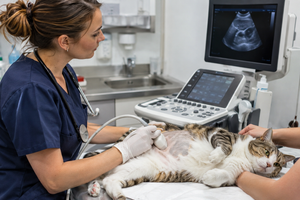
Ultrasound examination allows veterinary professionals to investigate pancreatic appearance and surrounding abdominal structures.
Its usefulness depends on the equipment, examiner experience and severity of the disease.
X-Rays
Abdominal X-rays may help investigate other reasons for reduced appetite or vomiting, including suspected intestinal obstruction.
They are not generally sufficient to confirm pancreatic inflammation.
The Cornell Feline Health Center’s pancreatitis guidance explains the importance of combining clinical assessment, laboratory testing and imaging. vet.cornell.edu
How Is Pancreatitis in Cats Treated?
Treatment focuses on stabilising the cat, controlling discomfort, maintaining nutritional intake and addressing complications.
The appropriate approach depends on disease severity and any accompanying medical conditions.
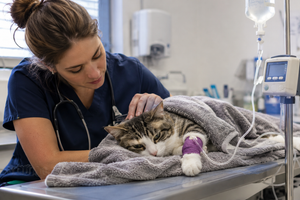
1. Intravenous Fluid Therapy
Dehydrated or seriously unwell cats may require intravenous fluids.
Fluid therapy supports circulation and helps correct electrolyte abnormalities.
The veterinary team must adjust treatment according to the individual cat, particularly when heart or kidney disease is present.
2. Pain Management
Pancreatic inflammation can cause discomfort even when a cat remains quiet.
Veterinarians may prescribe suitable pain-relieving medication.
Never give human painkillers to a cat without veterinary instructions. Medicines such as paracetamol can be extremely dangerous to cats.
3. Anti-Nausea Medication
Nausea can prevent a cat from eating even when vomiting is absent.
Veterinary-prescribed anti-nausea treatment may improve comfort and help restore appetite.
Persistent symptoms may require reassessment.
4. Appetite Support
Some cats require prescribed appetite stimulants when voluntary food intake remains inadequate.
These medicines should form part of a wider treatment plan rather than replacing investigation of the underlying illness.
5. Assisted Nutritional Support
When a cat cannot consume sufficient food voluntarily, the veterinary team may recommend a feeding tube.
This provides a controlled way to deliver nutrition during recovery.
Owners should receive appropriate training if their cat returns home with a feeding tube.
6. Treatment of Associated Conditions
Some cats require additional treatment for intestinal inflammation, liver disease or diabetic complications.
Antibiotics are not routinely necessary for uncomplicated pancreatitis. Their use depends on whether bacterial infection or another appropriate clinical indication is present.
The ACVIM consensus statement on feline pancreatitis provides detailed recommendations on pain control, nutritional management and supportive treatment. Wiley Online Library+1
How Much Does Cat Pancreatitis Treatment Cost in the UK?
The cost of treating pancreatitis in cats varies according to diagnostic requirements, treatment intensity and hospitalisation duration.
A stable cat receiving outpatient medication may generate a much smaller bill than a cat requiring several days of inpatient treatment.
Published UK Veterinary Prices
The following examples are taken from published UK veterinary fee schedules available in November 2026.
| Veterinary service | Provider | Published price |
|---|---|---|
| Standard veterinary consultation | Royal Veterinary College | £58 |
| Single-organ abdominal ultrasound | Royal Veterinary College | £128.17 |
| Routine blood profile | Animal Trust Bolton | £91.50 |
| Blood profile with SNAP test | Animal Trust Bolton | £124.50 |
| Ultrasound scan | Animal Trust Bolton | £430 |
| Out-of-hours consultation | Animal Trust | £80 |
| Day-patient admission | Animal Trust | £535 |
| Initial 48-hour hospitalisation | Animal Trust | £740 |
| Additional 24-hour hospitalisation | Animal Trust | £370 |
Sources: Royal Veterinary College price list, Animal Trust Bolton prices and Animal Trust inpatient care prices. Royal Veterinary College, RVC+2
These are published service prices rather than national averages or fixed pancreatitis treatment quotations. Ultrasound services may differ in scope, and specialist pancreatic laboratory testing may incur additional charges.
Example Hospitalisation Costs
Using Animal Trust’s published inpatient charges, owners can see how hospitalisation duration may affect the overall bill.
| Hospitalisation duration | Published fee calculation | Total |
|---|---|---|
| Day-patient treatment | £535 | £535 |
| 48 hours | £740 | £740 |
| 72 hours | £740 + £370 | £1,110 |
| 96 hours | £740 + £740 | £1,480 |
| 120 hours | £740 + £1,110 | £1,850 |
£0£500£1 N£1,5 N£2 NDay patient48 hours72 hours96 hours120 hours
The quoted inpatient packages include selected investigations, core medication and fluid treatment where required. Additional procedures and services outside the package can increase the total.
These calculations illustrate one provider’s fee structure and do not predict how long an individual cat will need hospital care.
What Can Increase the Final Veterinary Bill?
Additional expenses may arise when a cat needs specialist referral, advanced imaging, repeated laboratory testing, feeding tube placement or treatment for another illness.
Owners should ask whether diagnostic tests and medications are already included in the hospitalisation package to avoid counting the same expenses twice.
For information about urgent consultations and out-of-hours charges, read our guide to emergency vet costs in the UK.
Questions to Ask Before Hospital Admission
| Question | Why it matters |
|---|---|
| What does the initial estimate include? | Identifies included tests and treatments |
| Are overnight nursing charges included? | Helps calculate inpatient expenses |
| Is pancreatic lipase testing included? | Identifies potential laboratory fees |
| Will specialist imaging cost extra? | Helps anticipate referral expenses |
| When will the estimate be reviewed? | Reduces unexpected financial changes |
| Can the practice process a direct insurance claim? | Helps establish payment requirements |
Financial discussions should not delay emergency assessment or necessary stabilisation.
Does Pet Insurance Cover Pancreatitis in Cats?
UK pet insurance may cover eligible investigations, medication and hospitalisation associated with pancreatic disease.
The actual reimbursement depends on the policy’s terms, benefit limits and exclusions.
Pre-Existing Conditions
If your cat experienced pancreatic disease or relevant symptoms before the policy began, the insurer may classify the condition as pre-existing.
Previous veterinary records may influence claim decisions even when the original symptoms did not result in a confirmed diagnosis.
Read our guide to pet insurance and pre-existing conditions to understand how these exclusions can affect claims.
Recurring Pancreatitis
Cats with chronic pancreatic disease may experience multiple episodes requiring veterinary treatment.
Lifetime insurance may provide ongoing cover for eligible conditions across renewals, subject to policy terms and available benefits.
Time-limited policies may restrict the period during which treatment for an individual condition remains eligible.
Example Pancreatitis Insurance Claim
Consider a hypothetical veterinary bill of £1,850 for eligible treatment.
The policy includes a £100 fixed excess and a 10% co-payment calculated after the excess.
| Claim calculation | Amount |
|---|---|
| Eligible veterinary bill | £1,850 |
| Fixed excess | £100 |
| Remaining eligible expenses | £1,750 |
| Percentage co-payment | £175 |
| Potential insurer reimbursement | £1,575 |
| Total owner contribution | £275 |
This calculation assumes that sufficient insurance benefits remain available and all treatment expenses are eligible.
Actual reimbursement depends on the insurer’s calculation method and contract terms.
What Might Pet Insurance Exclude?
Potential exclusions include prescription diets, previous pancreatic illness, treatment outside policy limits and certain non-medical hospital expenses.
Always check the policy documents before assuming that an expense will be reimbursed.
What Should You Feed a Cat With Pancreatitis?
Maintaining adequate nutritional intake is an important part of recovery.
However, there is no single diet that suits every cat with pancreatic disease.
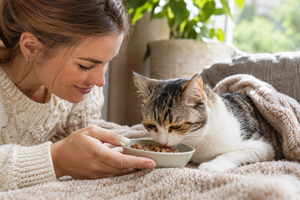
Your vet may recommend a nutritionally complete, digestible diet based on your cat’s medical history, food tolerance and associated conditions.
Offer Small, Manageable Meals
Some recovering cats tolerate smaller meals more comfortably than large portions.
Follow the feeding frequency and quantity recommended by your veterinary team.
Consider Food Temperature and Texture
If your vet approves, offering slightly warmed wet food may make it more appealing.
However, some cats prefer food at room temperature or a familiar texture.
Avoid repeatedly introducing unfamiliar diets while your cat is nauseated.
Avoid Force-Feeding
Forcing food into a cat’s mouth may create distress, food aversion or aspiration risk.
If voluntary food intake remains insufficient, contact your vet to discuss appropriate nutritional support.
Do Cats With Pancreatitis Need Low-Fat Food?
Not necessarily. A low-fat therapeutic diet is not automatically required for every feline pancreatitis patient.
Cats with concurrent intestinal disease, diabetes or kidney problems may have different nutritional priorities.
The Merck Veterinary Manual’s guide to pancreatic disorders in cats discusses how treatment and dietary requirements depend on the individual clinical situation. Merck Veterinary Manual
How to Care for a Cat Recovering From Pancreatitis
Recovery at home requires careful observation rather than simply completing a course of medication.
Measure Actual Food Consumption
Record the amount of food offered and the amount remaining.
A cat appearing interested in food does not necessarily mean it is consuming sufficient calories.
Report declining food intake to your vet.
Maintain Accessible Water Sources
Provide fresh water in quiet locations that your cat can reach comfortably.
Never force water into your cat’s mouth.
Contact your vet if drinking decreases substantially or vomiting returns.
Provide a Quiet Recovery Area
Choose a warm, comfortable space away from excessive noise and activity.
Keep food, water and litter trays within easy reach, particularly when your cat is weak.
Monitor Litter Tray Changes
Record changes in stool consistency, urination and litter tray frequency.
Persistent digestive abnormalities may indicate an ongoing medical problem.
Our guide to diarrhoea in cats explains additional digestive warning signs.
Follow Medication Instructions
Administer prescribed medication according to the veterinary treatment plan.
If your cat vomits after receiving medication or refuses treatment, contact your vet before repeating a dose.
A Daily Pancreatitis Recovery Record
This monitoring template can help owners communicate useful information during follow-up appointments.
| Observation | Morning | Evening |
|---|---|---|
| Food offered and consumed | ||
| Water consumption changes | ||
| Medication administered | ||
| Vomiting episodes | ||
| Stool consistency | ||
| Urination changes | ||
| Activity and behaviour | ||
| Signs of discomfort |
Keep a separate record of body weight when recommended by your vet.
This template supports an existing veterinary recovery plan. It should never be used to postpone assessment when symptoms worsen.
How Long Does Pancreatitis Last in Cats?
Recovery time varies considerably.
Some cats with mild disease improve relatively quickly following appropriate treatment. Severe cases may require extended hospitalisation and additional recovery time at home.
Chronic disease may cause recurring episodes over months or years.
Rather than relying on a fixed recovery timeline, owners should discuss progress using measurable changes such as food consumption, body weight, hydration and activity.
Signs That Recovery May Be Progressing
Encouraging changes can include voluntary eating, improved activity, fewer digestive symptoms and a return towards normal daily behaviour.
However, improvement does not necessarily mean pancreatic inflammation has completely resolved.
Continue prescribed treatment and attend follow-up examinations.
Can Pancreatitis in Cats Be Prevented?
Because many cases have no identifiable cause, there is no guaranteed prevention method.
Nevertheless, maintaining healthy body condition, providing appropriate nutrition and managing existing medical conditions can support general health.
Owners should also avoid giving unprescribed medication and seek veterinary advice when appetite or behaviour changes persist.
Cats with previous pancreatic illness may benefit from an individual management plan that identifies early signs of recurrence.
Frequently Asked Questions
Is pancreatitis in cats painful?
Pancreatic inflammation can be painful. Cats may conceal discomfort, so the absence of crying or obvious abdominal sensitivity does not indicate that pain is absent.
Can a cat recover completely from pancreatitis?
Many cats recover clinically following treatment for an acute episode. Chronic disease may involve permanent pancreatic changes and recurring symptoms.
Can pancreatitis cause diabetes in cats?
Pancreatic damage can affect insulin production and glucose regulation. Some cats develop diabetes or experience difficulties managing existing diabetic disease.
Is feline pancreatitis contagious?
Pancreatitis itself is not contagious. Ordinary contact between household cats does not spread pancreatic inflammation.
Can pancreatitis cause constipation?
Reduced food intake, dehydration and reduced activity may contribute to constipation. However, constipation has several possible causes and requires appropriate assessment.
Does feline pancreatitis require surgery?
Most cases are managed medically. Surgery may be considered in selected cases involving complications or another condition requiring surgical intervention.
Can a cat with pancreatitis eat dry food?
Some affected cats can eat suitable dry food. The appropriate diet depends on nutritional requirements, hydration, food tolerance and veterinary recommendations.
Is pancreatitis fatal in cats?
Severe acute disease can be fatal, particularly when significant complications develop. Early veterinary intervention and appropriate supportive care are important.
Can pancreatitis return after treatment?
Yes. Cats may experience recurrent episodes, particularly when chronic pancreatic disease or associated medical conditions are present.
Final Thoughts
Pancreatitis in cats can present through subtle changes in appetite, behaviour and activity rather than dramatic digestive symptoms.
Recognising these warning signs and obtaining veterinary assessment promptly can help prevent complications. Appropriate pain management, nutritional support and hydration are important components of treatment.
Understanding hospitalisation expenses, insurance exclusions and recovery requirements can also help owners prepare for the practical and financial demands of care.
For more UK-focused pet health information, veterinary cost guides and independent pet insurance resources, explore PetCoverHQ.