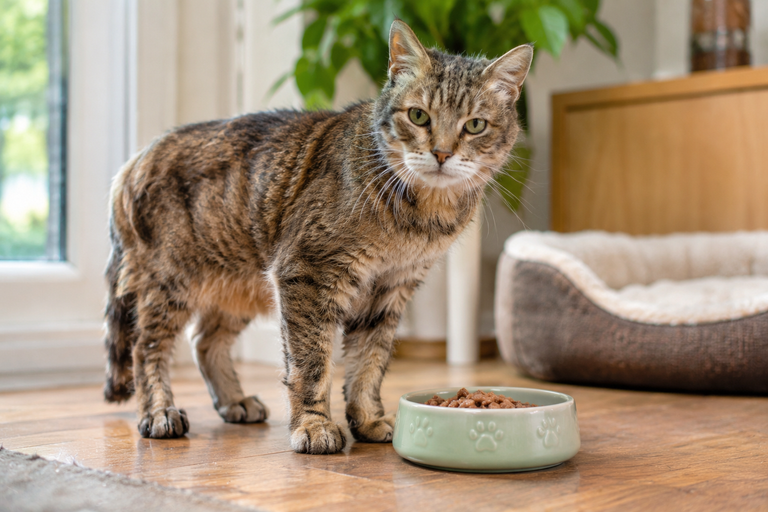
Hyperthyroidism in cats occurs when the thyroid glands produce excessive hormones, causing an abnormally fast metabolism. Affected cats often lose weight despite eating more than usual. Without treatment, the condition can damage vital organs and significantly reduce quality of life.
Early diagnosis gives owners more opportunities to manage the disease effectively. Understanding treatment options and their long-term costs can also help households prepare financially. Explore PetCoverHQ for more UK pet health guides, veterinary cost information and practical insurance advice.
What Is Hyperthyroidism in Cats?
The thyroid glands sit within the neck and regulate numerous bodily functions, including energy consumption and metabolism. When these glands become overactive, the body uses energy faster than normal, placing additional strain on the heart, muscles and other vital organs.
According to the PDSA veterinary guide, approximately 97–99% of cases involve non-cancerous thyroid changes. The disease primarily affects middle-aged and older cats, making gradual changes in appetite, body weight and behaviour particularly important during their senior years. PDSA
Early Signs of Hyperthyroidism in Cats
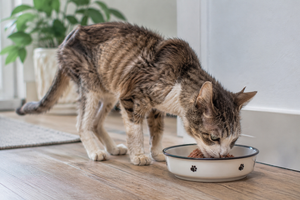
Symptoms may develop gradually, making them easy to overlook. Some owners initially interpret increased appetite and activity as positive signs. However, unexplained weight loss combined with increased food consumption should never be dismissed as a normal part of feline ageing.
| Symptom | What owners may notice |
|---|---|
| Weight loss | More prominent ribs, hips or spine |
| Increased appetite | Begging for additional meals |
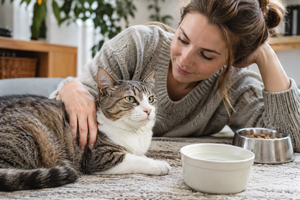
| Increased thirst | More frequent visits to water bowls |
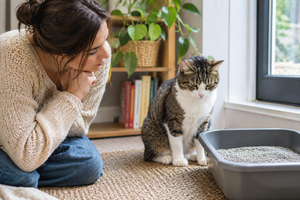
| Increased urination | Larger or more frequent litter tray clumps |
| Restlessness | Pacing and difficulty settling |
| Excessive vocalisation | More frequent or louder meowing |
| Poor coat condition | Greasy, tangled or untidy fur |
| Vomiting | Repeated digestive disturbances |
| Diarrhoea | Loose or frequent stools |
| Muscle loss | Reduced body condition |
Not every affected cat develops increased appetite or hyperactivity. Some become unusually quiet, weak or reluctant to eat. These less typical presentations demonstrate why owners should seek veterinary advice whenever significant changes occur, rather than relying on a single characteristic symptom.
How Do Vets Diagnose Hyperthyroidism?
A veterinary examination typically includes an assessment of body weight, heart function and the thyroid region. Blood tests measuring total thyroxine, commonly called T4, help establish the diagnosis. Additional investigations may identify accompanying conditions that influence treatment suitability and safety.
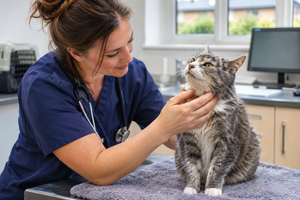
Blood Tests
A raised T4 concentration can support a diagnosis when clinical signs are consistent with thyroid disease. However, borderline results may require further investigation. Your vet may recommend repeat testing, additional thyroid measurements or investigations for other causes of weight loss.
Kidney Function and Blood Pressure
Untreated thyroid disease can temporarily mask reduced kidney function. Consequently, kidney problems may become apparent after treatment begins. Monitoring kidney values and blood pressure helps veterinarians evaluate treatment response and identify complications requiring separate management. rvc.ac.uk
Treatment Options for Hyperthyroidism in Cats
Four established treatment approaches are available. Some control excess thyroid hormone production, while others aim to remove or destroy abnormal thyroid tissue. The most appropriate option depends on your cat’s medical history, temperament, kidney function and access to specialist services.
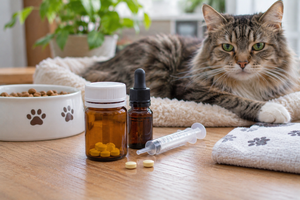
1. Thyroid Medication
Prescription medicines such as methimazole or carbimazole reduce thyroid hormone production. They can provide effective ongoing management but do not remove diseased thyroid tissue. Owners must follow the prescribed schedule and attend monitoring appointments to assess hormone levels and potential adverse effects.
2. Radioactive Iodine Treatment
Radioactive iodine targets overactive thyroid tissue without conventional surgery. The Royal (Dick) School of Veterinary Studies offers this treatment through its specialist service. Hospitalisation and radiation safety precautions are necessary, and suitability must be assessed before referral. vet.ed.ac.uk
3. Thyroid Surgery
Thyroidectomy involves surgically removing affected thyroid tissue. Successful surgery may eliminate the need for ongoing thyroid medication. However, general anaesthesia and potential complications involving calcium regulation must be considered, particularly when treating older cats with accompanying cardiac or kidney conditions.
4. Prescription Low-Iodine Diet
A veterinary-prescribed iodine-restricted diet may help control hormone production in selected cats. Its effectiveness depends on exclusive feeding, meaning treats, other pet foods and hunted prey can interfere with treatment. This approach requires careful planning in households containing multiple cats.
The Cats Protection treatment guide provides further information about these treatment approaches.
How Much Does Cat Hyperthyroidism Treatment Cost in the UK?
The cost of managing hyperthyroidism in cats depends on the selected treatment and required monitoring. Comparing initial quotations alone can be misleading because affordable daily medication may generate substantial cumulative expenses. Specialist treatment generally requires a larger initial financial commitment.
| Treatment | Indicative UK cost |
|---|---|
| Prescription diet | Around £30/month |
| Thyroid medication | Around £50/month |
| Thyroid surgery | Around £1,000 |
| Radioactive iodine | £2,500–£3,500 |
These general estimates come from Cats Protection and exclude potentially necessary additional services. Cats Protection
Published Specialist Treatment Prices
Langford Vets publishes separate assessment and treatment packages, with indicative prices effective from 1 May 2026.
| Service | Published price |
|---|---|
| Suitability assessment | £2,000 |
| Standard radioiodine treatment | £2,200 |
| Combined package costs | £4,200 |
| Extra hospitalisation | £399/week |
These figures include VAT and represent one specialist provider rather than a national average. Langford Vets
Three-Year Treatment Cost Comparison
The following budget illustrates how recurring expenses accumulate. Medication costs use the Cats Protection estimate, while monitoring expenses are hypothetical. The specialist treatment scenario uses Langford Vets’ published combined package prices, with an additional illustrative allowance for annual follow-up care.
| Expense | Medication | Radioiodine |
|---|---|---|
| Initial specialist package | — | £4,200 |
| Annual medication | £600 | — |
| Annual monitoring allowance | £300 | £150 |
| Year 1 | £900 | £4,350 |
| Year 2 | £900 | £150 |
| Year 3 | £900 | £150 |
| Three-year total | £2,700 | £4,650 |
Illustrative calculation assuming successful radioiodine treatment, stable prices and no additional complications. Initial medication-route diagnostic expenses are excluded.
MedicationRadioiodine
£0£1,5 N£3 N£4,5 N£6 NYear 1Year 2Year 3
Does Pet Insurance Cover Hyperthyroidism in Cats?
Pet insurance may cover eligible thyroid investigations, prescribed medication and specialist treatment when the condition develops after cover begins. Owners should check exclusions, annual benefit limits and referral requirements before committing to expensive procedures, particularly when ongoing treatment may be necessary.
An existing diagnosis or previously documented symptoms may affect eligibility. Lifetime insurance can potentially support recurring treatment across annual renewals, subject to policy conditions. Ask whether specialist assessment, hospitalisation, radioactive iodine and subsequent monitoring qualify for reimbursement under your particular policy.
Example Insurance Claim Calculation
Assume the cat has an eligible £4,200 specialist treatment bill, with a hypothetical £100 fixed excess and 10% co-payment applied after the excess.
| Claim calculation | Amount |
|---|---|
| Eligible veterinary bill | £4,200 |
| Fixed excess | £100 |
| Remaining eligible bill | £4,100 |
| 10% co-payment | £410 |
| Potential insurance reimbursement | £3,690 |
| Total owner contribution | £510 |
Actual payments depend on policy wording, available benefits, exclusions and the insurer’s calculation method.
Managing Feline Hyperthyroidism at Home
Regular monitoring helps owners identify changes between veterinary appointments. Record body weight, appetite, drinking habits and medication administration. Contact your vet if symptoms return, new problems develop or prescribed treatment becomes difficult to administer. Never adjust medication doses without professional guidance.
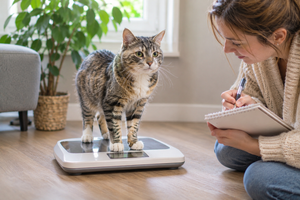
Weekly Health Monitoring Record
| Health indicator | Week 1 | Week 2 | Week 3 | Week 4 |
|---|---|---|---|---|
| Body weight (kg) | ||||
| Appetite | ||||
| Water consumption | ||||
| Urination | ||||
| Activity level | ||||
| Vomiting episodes | ||||
| Missed medication doses |
Seek emergency veterinary care if your cat experiences breathing difficulties, sudden collapse or severe weakness. Do not delay treatment to complete the monitoring record.
Conclusion
Hyperthyroidism in cats requires timely diagnosis and appropriate treatment, but many affected cats can enjoy additional years of comfortable life. Comparing treatment costs and insurance provisions helps owners prepare for ongoing care. Discover more practical UK pet health resources at PetCoverHQ.
Frequently Asked Questions
Can hyperthyroidism in cats be cured?
Radioactive iodine and successful thyroid surgery can potentially cure feline hyperthyroidism. Medication and prescription diets generally control the condition rather than eliminate its underlying cause. Continued monitoring may remain necessary after treatment, particularly to identify reduced thyroid function or kidney disease.
Can an indoor cat develop hyperthyroidism?
Yes. Indoor cats can develop thyroid disease regardless of their lifestyle. Increasing age remains an important consideration, and owners should monitor unexplained weight loss, appetite changes and unusual behaviour. Living indoors does not eliminate the need for regular senior health examinations.
Is untreated hyperthyroidism dangerous?
Yes. Persistently elevated thyroid hormones can place considerable strain on the cardiovascular system and contribute to serious health complications. Veterinary assessment is important even when an affected cat remains active and hungry. Early treatment may reduce the risk of further deterioration.