Yes, most UK pet insurance pays for physiotherapy, hydrotherapy and other complementary treatment, but only up to a separate limit. That limit is usually far smaller than your main vet fee limit. Check yours before you book. Petplan’s Covered for Life pays up to £2,000 a year, John Lewis up to £1,500 and Churchill £1,000 per condition. ManyPets sets a limit of between £500 and £3,000, depending on the plan.
Your vet has to recommend the treatment first. Skip that step and you pay. For physiotherapy, the law also requires a vet to examine your pet and prescribe it before a therapist can treat. We checked each insurer’s limit on its own website or policy document, and the legal rules on the RCVS website, on 16 October 2026.
Pet Insurance Coverage For Complementary Therapies In The UK
Complementary treatment usually means therapy alongside normal vet care, such as physiotherapy, hydrotherapy or acupuncture. Insurers pay for it when your vet recommends it for an illness or injury the policy covers. The money comes from a sub-limit within your overall cover.
Complementary and physiotherapy limits at five UK insurers (checked 16 October 2026)
| Insurer |
Limit |
Notes |
| Petplan Covered for Life |
Up to £2,000 a year |
“Pet Therapies” covers hydrotherapy, homeopathy, acupuncture and herbal medicine; Essential plan £500 per condition for 12 months |
| ManyPets |
£500 to £3,000, depending on the plan |
Part of the overall vet fee limit; refreshes each year |
| John Lewis |
Up to £1,500 |
Complementary and physiotherapy treatment your vet recommends |
| Churchill |
£1,000 per condition |
Hydrotherapy or physiotherapy capped at £40 a session, up to 15 sessions |
| Tesco |
Included up to a maximum benefit in the policy |
Treatment must be recommended by your vet; amount not published on Tesco’s website |
Sources:
Petplan,
ManyPets,
John Lewis,
Churchill, Tesco policy document.
Physiotherapy And Hydrotherapy Limits
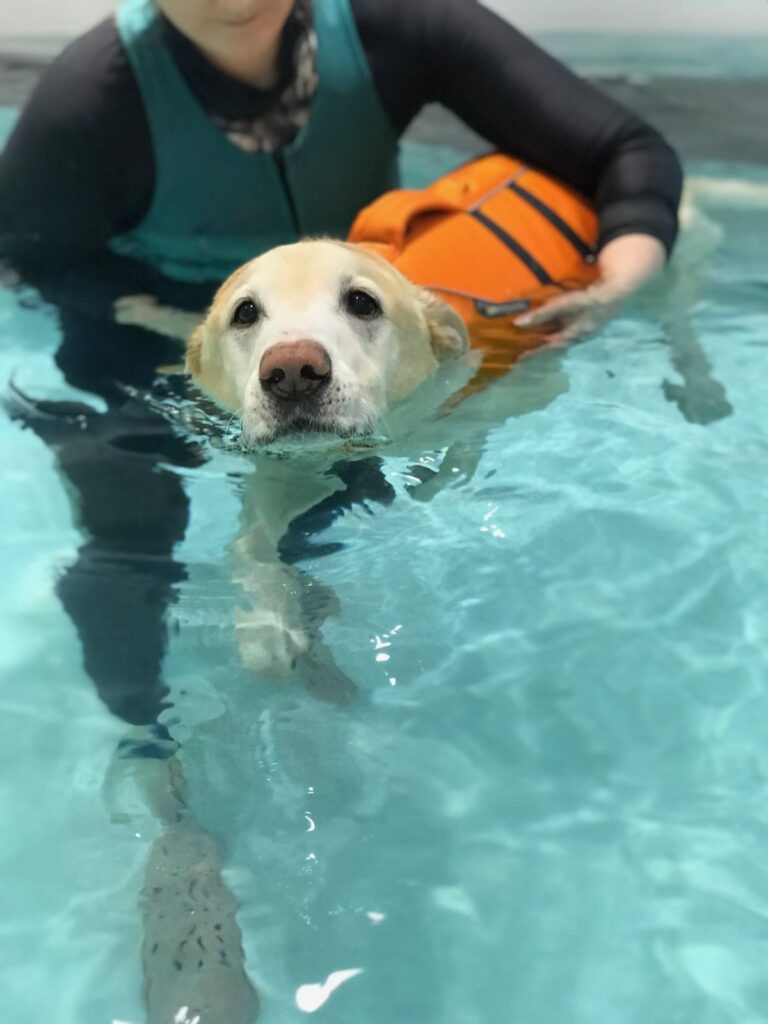
Physiotherapy and hydrotherapy usually come out of the same complementary limit. Churchill is the exception worth knowing. It caps each session at £40 and allows 15 sessions, so the most it will pay for this kind of therapy is £600 per condition. That is your ceiling. Our guides to
Dachshund back problems and
hip dysplasia in German Shepherds explain how insurers handle these conditions.
That cap matters if sessions near you cost more. ManyPets surveyed 12 pet physiotherapists and found an average of £51.42 a session. At that price, you would pay about £11.42 of each session yourself with Churchill.
Acupuncture And Laser Therapy Conditions
Acupuncture is treated differently in law from physiotherapy. The Royal College of Veterinary Surgeons (RCVS) says the physiotherapy exemption does not include acupuncture. So you should expect acupuncture to be given by a vet, not by a lay therapist.
Petplan names acupuncture in its Pet Therapies cover. Others are less clear. Laser therapy is not named by the insurers above. If your vet suggests it, ask the insurer whether it counts as vet fees or complementary treatment before you book.
Osteopathy And Chiropractic Care Options
Osteopathy and chiropractic count as physiotherapy under the law. The RCVS says “physiotherapy” includes all kinds of manipulative therapy. That means the same vet referral rules apply.
ManyPets found an average of £47.08 for an osteopathy session and £60 for a first assessment. Chiropractic sessions averaged £39.17, across 12 practitioners each, according to its
pricing survey.
How Veterinary Referrals Authorise Alternative Treatment Claims
A vet referral is what turns therapy into an insurable treatment. Get yours first. Without it, the law may not allow the therapy, and your insurer will not pay. ManyPets says a professional referral is required before treatment can begin.
Follow these steps before the first session:
- Ask your vet to examine your pet and write down that they recommend the therapy.
- Check the therapist works under your vet’s direction and meets your policy’s rules.
- Keep every invoice and treatment note, and claim as you go.
Regulatory Rules Under The Veterinary Surgeons Act 1966
Under the Veterinary Surgeons Act 1966, only registered vets may practise veterinary surgery. The
Veterinary Surgery (Exemptions) Order 2015 makes an exception for physiotherapy, with two conditions.
The therapist must be 18 or over. They must also act under the direction of a vet who has examined your pet and prescribed the physiotherapy, according to the
RCVS guidance. Massage to keep a healthy animal supple does not need a vet’s delegation. Insurance does not pay for that kind of care anyway.
Selecting Qualified Animal Therapists For Valid Claims
Your policy sets the standard a therapist must meet, so read that section before you book. If it names approved qualifications or registers, use a therapist who meets them. Otherwise your claim could be refused even with a vet referral. Ask first.
The
Register of Animal Musculoskeletal Practitioners (RAMP) is a UK voluntary register for physiotherapists, osteopaths and chiropractors who treat animals. You can search it for a practitioner near you. Ask your vet who they usually refer to. That is often your simplest route.
Policy Types Affecting Pet Therapy Payouts
Your policy type decides how long you can keep claiming for therapy. With lifetime cover, the complementary limit refreshes every year you renew. With time-limited cover, therapy for a condition stops being covered after the time limit, usually 12 months.
Petplan shows the difference clearly. Its Covered for Life plan pays up to £2,000 a year for Pet Therapies. Its time-limited Essential plan pays up to £500 per condition for 12 months.
Lifetime Insurance Allowances For Long-Term Care
Lifetime cover suits pets that need therapy for years, such as a dog with arthritis or after spinal surgery. ManyPets says all its plans are lifetime, so the complementary limit refreshes each year when you renew.
Check how your sub-limit works. It can affect your main limit. ManyPets says its complementary limit is part of your overall vet fee limit. Money spent on therapy then reduces what is left for other vet bills that year.
Average Session Costs For Alternative Pet Treatments In 2026
The most detailed published prices come from ManyPets surveys. Use them as a rough guide. Prices vary a lot by area.
Average UK prices for pet therapy sessions (ManyPets surveys)
| Therapy |
First session |
Standard session |
| Physiotherapy (12 practitioners, range £40 to £85) |
£72.86 |
£51.42 |
| Osteopathy (12 practitioners, range £40 to £60) |
£60 |
£47.08 |
| Chiropractic (12 practitioners) |
No separate assessment fee found |
£39.17 |
| Hydrotherapy (20 centres, July 2022) |
Not reported |
£36.28 |
A £1,000 limit at the average physiotherapy price pays for 19 full sessions. A £500 limit pays for 9. Ask your therapist for a written plan with the number of sessions, then compare it with your limit.
Standard Exclusions In Complementary Therapy Pet Policies
Insurers pay for therapy that treats a covered illness or injury, nothing more. These are the usual reasons a therapy claim is turned down:
- The condition was pre-existing, or started in the policy’s first weeks.
- Your vet did not recommend the therapy, or the therapist was not working under their direction.
- The therapy was for fitness, weight loss or keeping a healthy pet supple.
Pre-Existing Condition Restrictions
Therapy for a pre-existing condition is excluded in the same way as any other treatment for it. If your dog had hip problems noted before the policy started, physiotherapy for those hips will not be covered. Your insurer will check the notes.
New policies also have exclusion periods. Tesco and John Lewis do not cover illness in the first 14 days or accidents in the first 3 days. Churchill does not cover illness that arises in the first 10 days. Our guide to
pre-existing conditions explains how insurers decide.
Routine Wellness Versus Rehabilitative Care
Rehabilitation helps your pet recover from a covered problem, such as cruciate surgery or a spinal injury. Insurance can pay for that. Routine fitness work for a healthy pet is your own cost, even if it uses the same pool.
The vet’s notes decide which side a session falls on. If the notes link the therapy to a diagnosed condition, the claim has a clear basis. If they describe weight loss or general fitness, expect the insurer to refuse.
Frequently Asked Questions About Alternative Pet Treatments
Do pet insurance companies pay the therapist directly?
Sometimes, but do not assume it. Some therapists ask you to pay each session and claim it back. Ask the therapist and your insurer before treatment starts. Our guide to
insurers that pay the vet directly covers how direct payment works.
What does a complementary therapy limit mean on a policy?
It is the most your insurer will pay for complementary treatment. It may apply per year, as with Petplan Covered for Life, or per condition, as with Churchill. At some insurers, such as ManyPets, it sits inside your overall vet fee limit rather than on top of it.
Which alternative treatments do standard pet policies exclude?
Anything not recommended by your vet, or not linked to a covered condition. That usually rules out maintenance massage, fitness swimming and weight-loss sessions. Check your policy for treatments it names, because the list differs between insurers.
How does hydrotherapy differ from physiotherapy in insurance terms?
Most insurers pay both from the same complementary limit. Hydrotherapy uses water for low-impact exercise, while physiotherapy covers land-based exercise and manual techniques. Churchill groups them under one £40-a-session cap, so check whether your policy treats them separately. Your schedule will say.
Therapy limits and session prices both change, and the hydrotherapy prices above date from 2022. If you find a figure that is out of date, tell us at
[email protected] and we will update this guide.
Content is provided for informational purposes only and does not constitute financial advice. Always read the full policy terms before purchasing.