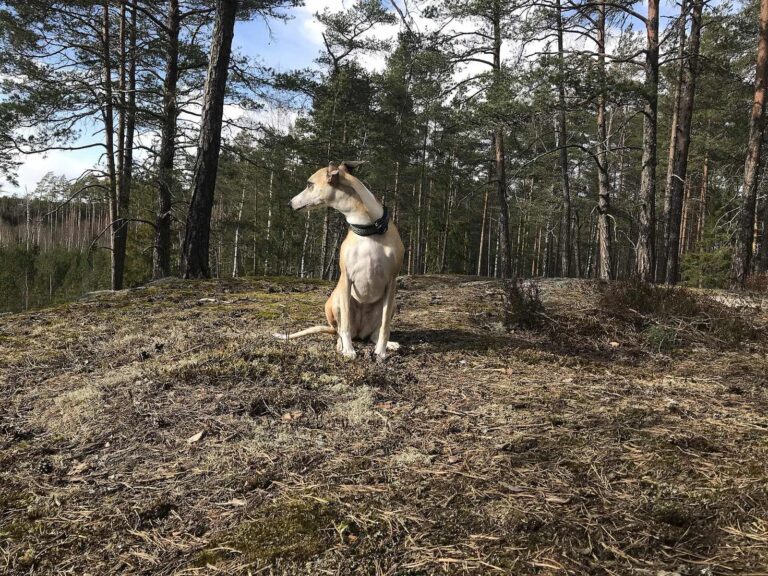
Choosing your first dog is exciting, but finding the right breed takes more than picking the cutest puppy. The best dog breeds for first-time owners are those whose exercise needs, temperament, grooming requirements and long-term costs fit comfortably into your lifestyle.
Some dogs are naturally eager to learn, while others are more independent or energetic. A smaller dog is not automatically easier to care for, and a larger breed is not necessarily unsuitable for a beginner.
The PDSA recommends considering how much time, space, exercise and companionship you can provide before choosing a dog.
In this PetCoverHQ guide, we compare seven popular breeds using exercise, lifespan and minimum monthly cost figures from PDSA breed guides, as provided in November 2026. We also explain potential challenges, health considerations and whether adopting a rescue dog might be the right choice.
What Makes a Dog Breed Suitable for First-Time Owners?
The best dog breeds for first-time owners are not necessarily the smallest, quietest or most popular.
Instead, a suitable first dog should match your daily routine and experience.
Consider these important factors:
- Exercise requirements: Can you provide enough daily walks and activities?
- Trainability: Are you prepared to teach basic commands and reward good behaviour?
- Grooming needs: Can you manage regular brushing or professional grooming costs?
- Temperament: Does the dog’s personality suit your household?
- Companionship: How much time will the dog spend alone?
- Health: Are you prepared for potential inherited conditions and veterinary expenses?
- Budget: Can you afford food, insurance, routine care and unexpected treatment?
The PDSA advises owners to consider their lifestyle carefully before getting a dog.
It also recommends avoiding leaving dogs alone for more than four hours. If you work long days, arrange appropriate care, such as a trusted dog walker or suitable day care.
Best Dog Breeds for First-Time Owners: Comparison Table
The following table compares seven breeds that prospective UK owners may want to consider.
The figures are taken from the PDSA breed information supplied for this article and represent general guidance rather than guarantees for individual dogs.
| Dog Breed | Size | Daily Exercise | Average Lifespan | Minimum Monthly Cost |
|---|---|---|---|---|
| Cavalier King Charles Spaniel | Small | 1 hour | Over 12 years | £70 |
| Bichon Frise | Small | 30 minutes | Over 12 years | £70 |
| Jack Russell Terrier | Small | 1 hour | Over 10 years | £50 |
| Whippet | Medium | 1 hour | Over 12 years | £65 |
| Greyhound | Large | 1 hour | Over 10 years | £105 |
| Labrador Retriever | Large | Varies; substantial exercise needed | Over 10 years | £105 |
| Golden Retriever | Large | 2 hours | Over 10 years | £105 |
Source: PDSA breed guides, figures supplied as checked in November 2026. Monthly costs are stated minimum estimates after initial purchase and setup, not total lifetime costs. Actual spending can be higher.
The table provides a starting point, but temperament, individual health and previous training are just as important as breed characteristics.
7 Best Dog Breeds for First-Time Owners in the UK
Each of these seven breeds offers different advantages and challenges.
No breed is completely effortless. Every dog needs training, socialisation, appropriate exercise and regular veterinary care.
1. Cavalier King Charles Spaniel
<text_placeholder />
The Cavalier King Charles Spaniel is a small companion dog known for its affectionate nature and strong attachment to people.
The PDSA describes Cavaliers as eager to please and generally fairly easy to train, making them an option for owners who want a smaller, people-oriented dog.
Why first-time owners may like them
- Affectionate and companionable temperament.
- Relatively manageable size.
- Often responsive to gentle, reward-based training.
- Can suit households prepared to provide daily companionship.
Potential challenges
Cavaliers may struggle with being left alone and can develop separation-related problems.
They also have important inherited health risks, including heart disease and neurological conditions.
Prospective owners should prioritise appropriate health screening and responsible breeding practices.
Our guide to Cavalier King Charles Spaniel health problems explains the conditions worth researching before choosing this breed.
Best suited to: Owners who want an affectionate companion and can provide regular company and appropriate healthcare.
2. Bichon Frise
The Bichon Frise is a small, playful companion dog that may appeal to people seeking a breed with comparatively modest exercise requirements.
According to the PDSA figures supplied, Bichons need approximately 30 minutes of daily exercise.
However, lower exercise requirements do not mean low overall maintenance.
Why first-time owners may like them
- Small size.
- Playful and affectionate personality.
- Relatively modest daily exercise requirement.
- Can adapt to different home environments when their needs are met.
Potential challenges
The Bichon Frise has a coat that requires regular grooming to prevent tangles and matting.
Professional grooming may create an additional ongoing expense.
Like other companion breeds, individual Bichons may find prolonged periods alone difficult.
Best suited to: Owners who want a smaller companion and are comfortable with frequent grooming.
3. Jack Russell Terrier
Jack Russell Terriers are intelligent, energetic and full of personality.
The PDSA identifies them as a possible choice for first-time owners, but their high activity levels should not be underestimated.
Although small, they are active terriers that need physical exercise and mental stimulation.
Why first-time owners may like them
- Intelligent and enthusiastic learners.
- Compact size.
- Enjoy games and interactive activities.
- Often form strong bonds with their owners.
Potential challenges
Jack Russells can be independent, energetic and strongly motivated to chase.
They may dig, jump and investigate anything interesting.
A secure garden is important, and owners should be prepared for consistent training.
Their size should never be mistaken for a lack of exercise needs.
Best suited to: Active first-time owners who enjoy training, games and regular outdoor activity.
4. Whippet
Whippets are often gentle, affectionate dogs that enjoy exercise followed by relaxation at home.
The PDSA describes them as a possible choice for patient and consistent first-time owners.
They generally need around one hour of daily exercise according to the supplied breed figures.
Why first-time owners may like them
- Gentle and affectionate nature.
- Often relaxed indoors after appropriate exercise.
- Relatively straightforward coat care.
- Suitable for owners who appreciate a balance of activity and rest.
Potential challenges
Whippets are sighthounds with a strong instinct to chase moving animals.
Recall training may require patience, and some individuals should not be allowed off the lead in unsecured environments.
A safely enclosed area is valuable for exercise.
Best suited to: Owners who want a gentle medium-sized dog and can manage its chasing instincts safely.
5. Greyhound
Greyhounds are famous for their speed, but many are calm and affectionate companions at home.
Despite their athletic ability, the PDSA figures supplied indicate approximately one hour of daily exercise.
Some retired racing Greyhounds can adapt well to domestic life, although their individual backgrounds and needs vary.
Why first-time owners may like them
- Often gentle and sensitive.
- Can be relaxed around the home.
- Short coats with relatively simple grooming needs.
- Adult rescue dogs may have an established temperament that can be assessed.
Potential challenges
Greyhounds can have a strong prey drive and may chase smaller animals.
Introductions to cats and other pets require particular care.
Some rescue Greyhounds may also need time to adjust to stairs, household routines or unfamiliar experiences.
Best suited to: Owners who want a larger, often relaxed companion and can provide safe exercise and careful management.
6. Labrador Retriever
Labrador Retrievers are among the most familiar family dogs in the UK.
They are often affectionate, sociable and responsive to reward-based training.
Their intelligence and willingness to learn make them appealing to many first-time owners.
However, Labradors are active dogs that need substantial daily exercise and mental stimulation.
Why first-time owners may like them
- Often friendly and people-oriented.
- Usually enthusiastic about training.
- Enjoy games and interactive activities.
- Can adapt well to active family life.
Potential challenges
Young Labradors can be excitable and physically strong.
They may jump up, pull on the lead or become destructive when bored.
Owners also need to manage their diet and body condition carefully.
Inherited health problems, including joint and eye conditions, should be considered before choosing a puppy.
Read our guide to Labrador health problems in the UK for more information.
Best suited to: Active households prepared to provide consistent training, exercise and companionship.
7. Golden Retriever
Golden Retrievers are affectionate, intelligent dogs that often respond well to training.
The PDSA describes them as potentially suitable for first-time owners who understand the responsibilities of caring for a larger breed.
According to the supplied PDSA figures, Golden Retrievers need around two hours of daily exercise.
Why first-time owners may like them
- Often affectionate and sociable.
- Intelligent and generally eager to learn.
- Enjoy training and interactive activities.
- Can become excellent companions in active households.
Potential challenges
Golden Retrievers require substantial exercise, regular grooming and plenty of human interaction.
Their larger size can also increase ongoing costs.
Prospective owners should research inherited health concerns and appropriate health screening.
Our guide to Golden Retriever insurance in the UK explores insurance considerations for this breed.
Best suited to: Active owners who have sufficient time, space and budget for a larger dog.
Which Dog Breed Is Best for Your Lifestyle?
Choosing among the best dog breeds for first-time owners becomes easier when you focus on your daily routine.
| Your Lifestyle | Breeds Worth Considering |
|---|---|
| Prefer a smaller companion | Cavalier King Charles Spaniel, Bichon Frise |
| Enjoy an active lifestyle | Jack Russell Terrier, Labrador Retriever, Golden Retriever |
| Want a dog that may relax indoors after exercise | Whippet, Greyhound |
| Prefer comparatively modest exercise needs | Bichon Frise |
| Enjoy regular training and outdoor activities | Labrador Retriever, Golden Retriever |
| Interested in adopting an adult dog | Greyhound or another suitable rescue dog |
These are general suggestions, not guarantees.
Individual dogs can differ significantly from typical breed descriptions.
For example, an energetic adult Bichon may require more enrichment than expected, while an older Labrador may have different exercise needs from a young adult.
Always meet the individual dog and discuss its behaviour, health and care requirements before making a decision.
Are Small Dogs Easier for First-Time Owners?
Not necessarily.
Small dogs may require less physical space and can be easier to handle in some situations.
However, they still need training, exercise, socialisation and appropriate healthcare.
Some small breeds are energetic, vocal or independent.
A Jack Russell Terrier, for example, may be more demanding for a particular owner than a calm adult Greyhound.
The best dog breeds for first-time owners should therefore be selected based on lifestyle compatibility rather than size alone.
Check Breed Health Before Buying a Puppy
Health is one of the most important considerations when choosing a dog.
Some popular breeds have an increased risk of inherited medical conditions.
Before purchasing a puppy, ask the breeder about relevant health screening for both parents.
Depending on the breed, this may include tests for:
- Hip dysplasia.
- Elbow dysplasia.
- Inherited eye conditions.
- Heart disease.
- Breed-specific neurological disorders.
- Other recognised inherited conditions.
The British Veterinary Association and Royal Kennel Club support established canine health screening schemes.
The PDSA also recommends considering responsible breeders, including those participating in recognised assurance schemes.
However, breeder registration or scheme membership alone does not guarantee a healthy puppy.
Ask to see appropriate health test results and discuss the family history.
Our dog breed health problems guide explains common concerns affecting popular UK breeds.
How Much Does Owning Your First Dog Cost?
The purchase or adoption fee is only one part of the cost.
First-time owners should prepare for ongoing expenses such as:
- Food and treats.
- Routine veterinary appointments.
- Vaccinations and parasite prevention.
- Grooming.
- Training classes.
- Toys and enrichment.
- Dog walking or day care.
- Pet insurance.
- Unexpected veterinary treatment.
The PDSA monthly figures in the comparison table are minimum estimates.
They should not be treated as a complete budget for every household.
Actual costs depend on the dog’s size, health, lifestyle and local service prices.
Before bringing a dog home, consider whether you could manage an unexpected veterinary bill.
Insurance may help with eligible treatment costs, subject to the policy’s terms, exclusions, limits and excess.
Should First-Time Owners Consider a Rescue Dog?
Yes. A rescue dog can be an excellent option for a first-time owner when the individual dog is a suitable match.
The PDSA recommends considering reputable rehoming organisations, including those operated by the RSPCA and Blue Cross.
Adopting an adult dog can offer several advantages.
For example, a rescue organisation may already have information about the dog’s temperament, exercise requirements and behaviour around people or other animals.
Some adult dogs may also have previous experience of living in a home.
However, rescue dogs can have individual training, health or adjustment needs.
Ask the rehoming organisation about the dog’s history, behaviour and suitability for your household.
If you are considering adoption, our guide to rescue dog insurance with an unknown history explains important insurance considerations.
Common Mistakes First-Time Dog Owners Should Avoid
Even when researching the best dog breeds for first-time owners, it is easy to overlook the practical responsibilities of dog ownership.
Choosing Based on Appearance Alone
A dog’s appearance tells you little about whether its needs match your lifestyle.
Research temperament, exercise requirements and common health problems before deciding.
Underestimating Exercise Needs
Some friendly, trainable breeds still require considerable daily activity.
Golden Retrievers and Labradors, for example, need owners who can provide regular exercise and mental stimulation.
Forgetting Grooming Costs
Dogs with high-maintenance coats may require professional grooming appointments.
Include these expenses in your budget.
Leaving Dogs Alone for Too Long
Dogs are social animals and need companionship.
Plan suitable care if your schedule regularly keeps you away from home.
Skipping Training and Socialisation
Every dog benefits from positive training and appropriate socialisation.
Do not assume a breed described as easy to train will automatically develop good manners.
Ignoring Potential Health Problems
Research breed-specific health concerns and relevant screening before purchasing or adopting a dog.
Frequently Asked Questions
What are the best dog breeds for first-time owners in the UK?
Several breeds may suit first-time owners, including the Cavalier King Charles Spaniel, Bichon Frise, Whippet, Greyhound, Labrador Retriever and Golden Retriever. The best choice depends on your lifestyle, experience and ability to meet the individual dog’s needs.
What is the easiest dog breed for a beginner?
There is no universally easiest breed. The Bichon Frise has comparatively modest exercise requirements, while Cavaliers are often described as fairly easy to train. Both still require time, grooming and care.
Are Labradors good for first-time owners?
Labradors can be good first dogs for active owners who can provide consistent training, exercise and mental stimulation. Their strength and energy may be challenging for some households.
Are Greyhounds suitable for beginners?
Some Greyhounds can be suitable for beginners because they are often gentle and relaxed at home. However, their chasing instincts and individual backgrounds require careful consideration.
Is a large dog a bad choice for a first-time owner?
Not necessarily. A larger dog can be suitable if you have the time, space, budget and ability to meet its needs.
Should I get a puppy or an adult rescue dog?
Both options can work. Puppies require substantial early training and supervision, while an adult rescue dog may have a more established temperament. Consider your experience and the individual dog’s needs.
Conclusion
The best dog breeds for first-time owners are those that fit your lifestyle, household and long-term budget.
Cavaliers and Bichons may appeal to people seeking smaller companions, while Whippets and Greyhounds can suit owners who appreciate a balance of exercise and relaxation.
Labradors and Golden Retrievers may be rewarding choices for active households, and Jack Russell Terriers can suit owners who enjoy energetic training and play.
Before choosing any breed, research its health risks, meet the individual dog and make sure you can provide appropriate care throughout its life.
At PetCoverHQ, we help UK owners explore practical dog care advice, breed health information and pet insurance considerations.
This article provides general pet care information and is not a substitute for individual veterinary or qualified animal behaviour advice.