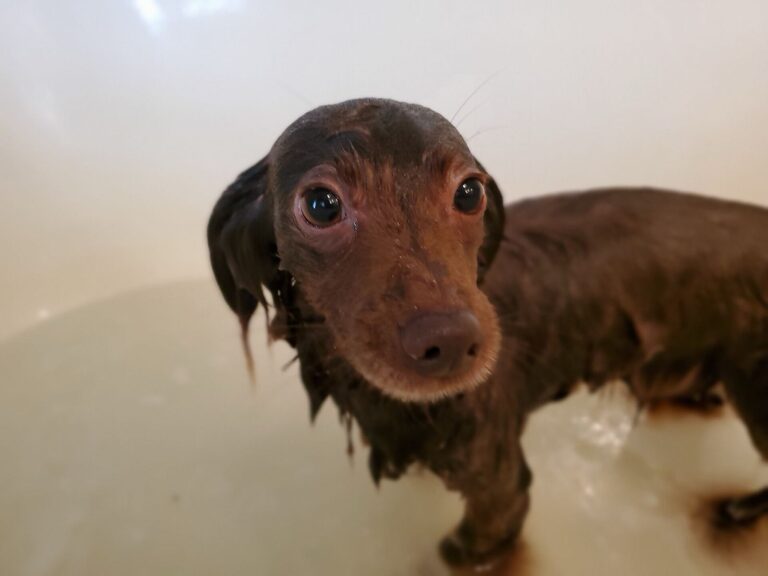
How often should you bathe a dog? For most healthy dogs, bathing is only necessary when they become dirty or every few months. Washing too frequently can remove natural oils that help protect their skin and keep their coat in good condition.
However, there is no single bathing schedule that works for every dog. A dog that enjoys muddy walks, swimming or outdoor adventures may need more frequent cleaning than one that spends most of its time indoors.
Dogs with certain skin conditions may also require medicated shampoos prescribed by a vet.
In this PetCoverHQ guide, we explain how often you should bathe a dog, what UK animal welfare organisations recommend, seven practical bathing tips and the warning signs that may require veterinary attention.
How Often Should You Bathe a Dog?
The answer depends on your dog’s coat, lifestyle, skin health and individual needs.
The Royal Kennel Club advises that dogs generally only need bathing every few months unless they have been swimming or rolling in something unpleasant.
The Blue Cross similarly explains that dogs with healthy coats and no skin problems usually only need washing when they become dirty.
A dog that spends considerable time outdoors may require additional cleaning to remove mud, unpleasant smells and other debris.
However, a muddy walk does not always mean a full shampoo bath is necessary.
The PDSA suggests rinsing muddy areas with warm water when appropriate.
Dog Bathing Frequency: A Practical Guide
The following table provides general considerations rather than a fixed bathing schedule.
| Dog’s Situation | General Bathing Guidance |
|---|---|
| Healthy dog with a normal coat | When dirty or approximately every few months |
| Dog that frequently gets muddy | Clean as needed; a water rinse may be enough |
| Dog that swims regularly | Rinse when appropriate to remove dirt or residue |
| Long-haired dog | Brush regularly and bathe when necessary |
| Dog with sensitive skin | Ask your vet about suitable products and frequency |
| Dog using medicated shampoo | Follow the treatment schedule prescribed by your vet |
| Young puppy | Avoid unnecessary bathing and prevent chilling |
The best approach is to monitor your dog’s coat and skin rather than following an unnecessarily strict calendar.
Why Bathing Your Dog Too Often Can Be Harmful
Understanding how often you should bathe a dog also means recognising the risks of overbathing.
Your dog’s skin produces natural oils that help maintain a healthy coat.
The Blue Cross explains that these oils contribute to the coat’s natural protective qualities.
Frequent shampooing can remove these oils, potentially leaving the skin dry or irritated.
The PDSA and Royal Kennel Club also caution against excessive washing.
Possible signs that your dog’s bathing routine needs reviewing include:
- Dry or flaky skin.
- Increased scratching.
- A dull or rough coat.
- Redness or irritation.
- Changes in the coat’s texture.
These symptoms can also have other causes, including allergies, parasites or skin infections.
If they persist, consult your vet rather than simply changing shampoos.
Regular brushing is often more useful than frequent bathing for keeping a healthy coat clean.
How Often Should You Bathe a Dog Based on Coat Type?
Different coat types have different grooming needs.
However, coat length alone does not determine exactly how often a dog needs a bath.
Short-Haired Dogs
Short-haired dogs may require relatively little bathing when their skin is healthy.
Regular brushing can help remove loose hair, dirt and debris.
Bathe them when their coat becomes noticeably dirty or develops an unpleasant smell.
Long-Haired Dogs
Long-haired dogs often require more frequent brushing because their coats can become tangled or matted.
Remove knots before bathing because wetting tangled fur can make matting more difficult to manage.
A full bath may be needed when the coat becomes dirty, but regular grooming remains essential between baths.
Double-Coated Dogs
Dogs with thick double coats can benefit from regular brushing to remove loose undercoat.
Bathing should be based on their individual needs, followed by thorough rinsing and drying.
Avoid leaving dense fur damp for extended periods.
Dogs With Sensitive Skin
Dogs with sensitive or irritated skin may need a specialised bathing routine.
Some benefit from reduced shampoo use, while others require prescribed medicated products.
Always follow veterinary advice rather than assuming that less or more frequent bathing will solve a skin problem.
How to Bathe a Dog Safely: 7 Essential Tips
Once you understand how often you should bathe a dog, the next step is learning how to wash your pet safely.
The following tips draw on guidance from the Blue Cross and Royal Kennel Club.
1. Prepare Everything Before Bath Time
Gather the supplies you need before bringing your dog into the bathroom.
These may include:
- Dog-specific shampoo.
- Clean towels.
- A non-slip bath mat.
- A suitable brush or comb.
- A jug or gentle shower attachment.
- Small treats for positive reinforcement.
Brush your dog’s coat beforehand and gently remove loose hair and manageable tangles.
If your dog has severe matting, seek advice from a qualified groomer rather than pulling at painful knots.
A non-slip surface can help your dog feel more secure.
2. Use Lukewarm Water
Water temperature matters when bathing dogs.
Use comfortably lukewarm water rather than very hot or cold water.
Introduce the water gradually, particularly if your dog is nervous.
Start with the body and avoid spraying water directly into the face.
Watch your dog’s behaviour throughout the bath.
If your dog becomes frightened or distressed, stop and consider a slower approach.
3. Choose a Shampoo Designed for Dogs
One of the most important dog bathing rules is to use an appropriate shampoo.
Human shampoos are not generally suitable because they are formulated for different skin characteristics.
The Blue Cross explains that human products have a different pH balance, while the PDSA warns that they may irritate canine skin.
Choose a gentle, dog-specific product appropriate for your pet’s needs.
If your dog has allergies or a diagnosed skin condition, ask your vet which shampoo to use.
Never substitute a medicated product without professional guidance.
4. Keep Shampoo Away From the Eyes and Ears
Wet your dog’s coat carefully and apply the shampoo according to the product instructions.
Massage it gently through the fur.
Avoid getting shampoo in your dog’s eyes, mouth or ears.
For the face, use a soft cloth dampened with clean water.
Do not pour water directly into the ear canals.
Keeping the experience calm and comfortable can help your dog develop a more positive association with bathing.
5. Rinse the Coat Thoroughly
Thorough rinsing is essential.
Shampoo residue can irritate the skin and cause discomfort.
Continue rinsing until the water runs clear and the coat no longer feels soapy.
Pay attention to areas where shampoo may collect, including the chest, belly and legs.
Dogs with thick coats may need additional rinsing time.
6. Dry Your Dog Carefully
After bathing, gently towel-dry your dog.
Remove excess moisture before allowing it to leave the bathing area.
If your dog tolerates a hairdryer, use a cool or suitably low-temperature setting and keep the dryer moving at a safe distance.
Never use excessive heat.
Dogs with thick coats may require more drying time.
Make sure your dog remains warm and comfortable until its coat is dry.
7. Reward Calm Behaviour
Bathing can be stressful for some dogs.
Use praise, suitable treats and gentle handling to create a positive experience.
Do not force a frightened dog to remain in the bath.
If necessary, practise standing in the empty bath or approaching the bathing area before introducing water.
Short, positive sessions can help nervous dogs become more comfortable over time.
When Should You Avoid Bathing Your Dog?
Knowing how often you should bathe a dog is only part of responsible grooming.
There are also situations when bathing should be postponed or discussed with a vet.
After Surgery
Avoid bathing your dog after surgery until your vet confirms that it is safe.
Keeping surgical wounds dry helps reduce the risk of complications.
Follow all postoperative instructions carefully.
After Spot-On Flea Treatments
Some topical parasite treatments have specific instructions about bathing before or after application.
Follow the manufacturer’s directions or ask your vet.
Bathing at the wrong time may affect how certain products work.
When Your Dog Has a Skin Condition
Skin infections, allergies and other dermatological problems may require specialised treatment.
Some conditions need medicated shampoo used at a prescribed frequency.
Do not begin frequent bathing without veterinary guidance.
When Your Puppy Is Very Young
Young puppies can become chilled more easily than adult dogs.
The Blue Cross advises avoiding unnecessary baths for very young puppies.
If your puppy becomes dirty, gentle spot cleaning may be sufficient.
Ask your vet for advice about bathing if you are unsure.
Can You Clean a Dog Without Giving It a Full Bath?
Yes. A full shampoo bath is not always necessary.
If your dog has muddy paws after a walk, you may only need to rinse the affected areas with lukewarm water.
Other options include:
- Wiping muddy paws with a clean, damp cloth.
- Brushing dried dirt from the coat.
- Cleaning small dirty areas rather than the whole body.
- Checking and removing debris caught in the fur.
- Drying your dog thoroughly after wet walks.
These simple steps can help keep your dog comfortable without excessive shampooing.
For dogs that frequently get dirty outdoors, regular brushing and targeted cleaning may reduce the need for full baths.
Use Bath Time to Check Your Dog’s Skin and Coat
Bathing provides an opportunity to examine your dog’s skin more closely.
The Blue Cross recommends checking for fleas and ticks during grooming.
The Royal Kennel Club also advises owners to look for unusual lumps, swelling, rashes and cuts.
Pay attention to:
- New lumps or bumps.
- Red or inflamed skin.
- Bald patches.
- Excessive scratching.
- Fleas or ticks.
- Unusual odours.
- Cuts or sore areas.
You can also check your dog’s ears, teeth and gums as part of a regular care routine.
If you notice anything unusual, contact your vet.
At PetCoverHQ, we help UK owners understand pet healthcare and insurance considerations.
Our dog insurance UK guide explains common types of cover and policy limitations.
You can also read our guide to dog dental cleaning costs in the UK to learn more about another important aspect of canine care.
Common Dog Bathing Mistakes to Avoid
Even when owners know how often they should bathe a dog, a few common mistakes can cause problems.
Bathing Too Frequently
Unnecessary shampooing can remove natural oils and contribute to dry skin.
Using Human Shampoo
Products designed for humans may irritate canine skin.
Using Water That Is Too Hot
Hot water can cause discomfort and potentially harm your dog’s skin.
Forgetting to Rinse Properly
Leftover shampoo can lead to irritation.
Bathing a Frightened Dog Without Preparation
Forcing a nervous dog into the bath may make future grooming more difficult.
Ignoring Persistent Skin Problems
Repeated itching, redness or unusual smells should be assessed by a vet.
Frequently Asked Questions
How often should you bathe a dog in the UK?
Most healthy dogs only need bathing when dirty or every few months. The Royal Kennel Club and Blue Cross recommend avoiding unnecessary frequent washing.
Can I bathe my dog once a week?
Weekly bathing is not usually necessary for a healthy dog. However, some dogs with medical skin conditions may need more frequent medicated baths under veterinary guidance.
Can I use human shampoo on my dog?
No. Human shampoos are generally unsuitable because they have different formulations and may irritate your dog’s skin. Use an appropriate dog-specific shampoo.
How often should you bathe a puppy?
Very young puppies should not be bathed unnecessarily because they can become chilled. Use gentle cleaning when appropriate and ask your vet about safe bathing.
Should I bathe my dog after every muddy walk?
Not necessarily. If your dog only has muddy paws or legs, rinsing those areas with lukewarm water may be sufficient.
Why does my dog smell bad after bathing?
Persistent unpleasant odours may be associated with skin, ear or dental problems. If the smell continues despite appropriate grooming, consult your vet.
Conclusion
How often should you bathe a dog? For most dogs with healthy skin, a bath is only needed when they become dirty or every few months.
The ideal bathing routine depends on your dog’s lifestyle, coat type and skin health.
Avoid excessive shampooing, brush your dog regularly and use gentle, dog-specific products when bathing is necessary.
If your dog has a skin condition or requires medicated shampoo, always follow your vet’s advice.
For more practical dog care information and UK pet insurance guides, explore PetCoverHQ.
This article provides general pet care information and does not replace individual advice from a qualified veterinary professional.