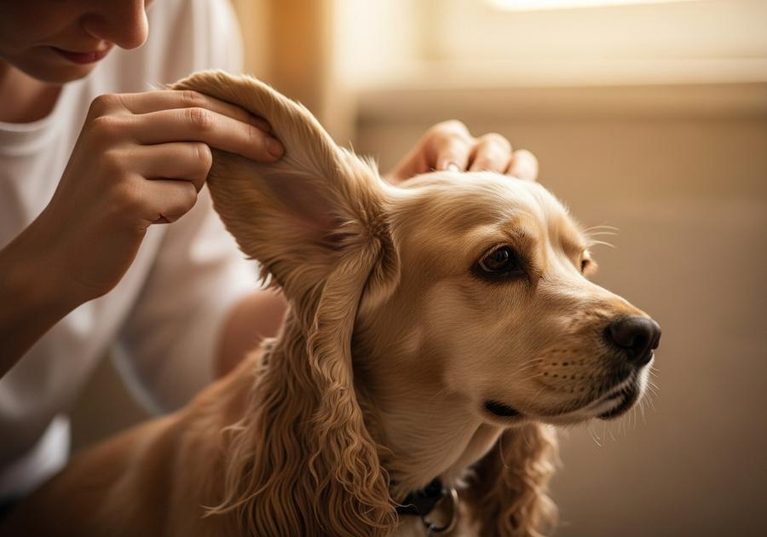
A dog ear infection can cause itching, pain, unpleasant smells and frequent head shaking. Some dogs develop red or swollen ears, while others produce unusual discharge or become uncomfortable when their ears are touched. For more practical advice on keeping your pets healthy and understanding veterinary costs, explore PetCoverHQ.
Ear infections are common, but they should not be ignored. Without appropriate treatment, inflammation can become more severe and, in some cases, affect deeper parts of the ear.
This guide explains how to recognise the symptoms, what causes ear infections, how vets treat them and what UK dog owners can do to reduce the risk of recurring problems.
What Are the Signs of an Ear Infection in Dogs?
Ear infections often begin with changes in your dog’s behaviour. You may notice them scratching more frequently, rubbing their head against furniture or shaking their ears repeatedly.
Common symptoms include:
- Frequent head shaking or ear scratching.
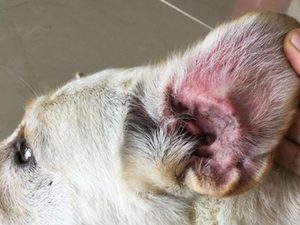
- Redness or swelling inside the ear.
- An unpleasant smell coming from the ear canal.
- Brown, yellow or pus-like discharge.
- Pain when the ear or surrounding area is touched.
- Scabs or irritated skin around the ears.
- Reluctance to have the head handled.
These symptoms can affect one or both ears.
According to PDSA, ear infections are painful and require prompt veterinary attention.
What Does a Dog Ear Infection Smell Like?
An infected ear may produce a strong, unpleasant or musty smell. The odour can accompany excess wax, inflammation or discharge.
However, smell alone cannot identify the cause. Bacterial infections, yeast overgrowth and other ear problems may produce similar symptoms.
A veterinary examination is needed to establish what is causing the problem.
When Is an Ear Infection an Emergency?
Some symptoms suggest that the infection or inflammation may involve deeper structures in the ear.
| Symptoms | Recommended action |
|---|---|
| Mild redness, scratching or unusual odour | Contact your vet promptly for an appointment |
| Significant pain, swelling or discharge | Arrange prompt veterinary assessment |
| Head tilt, loss of balance or vomiting with ear symptoms | Seek veterinary assessment the same day |
| Collapse, severe disorientation or inability to stand | Seek emergency veterinary care |
PDSA identifies head tilting and loss of balance as warning signs that require a same-day veterinary appointment.
Do not wait for these symptoms to disappear without professional advice.
What Causes Ear Infections in Dogs?
Ear infections can develop when the normal environment inside the ear canal changes, allowing inflammation or microorganisms to become a problem.
Several underlying conditions may contribute.
1. Allergies and Skin Conditions
Allergies are a major cause of recurring ear problems in dogs.
Dogs with environmental or food-related allergies may develop inflammation inside their ears alongside itchy skin, paw licking or other skin symptoms.
Treating the infection without addressing the underlying allergy can allow the problem to return.
2. Bacteria and Yeast
Bacteria and yeast can exist naturally in a dog’s ears without causing disease.
However, inflammation, moisture and changes in the ear environment can encourage excessive growth.
A vet may examine a sample of ear discharge under a microscope to identify the organisms involved and choose suitable treatment.
3. Ear Mites and Parasites
Ear mites can cause intense itching, irritation and dark ear wax.
They are more commonly associated with puppies and animals exposed to infected pets.
Because ear mites and infections can produce similar symptoms, diagnosis should not rely on the colour of the discharge alone.
4. Grass Seeds and Foreign Objects
Dogs exploring long grass may accidentally get grass seeds or other small objects lodged inside their ears.
A foreign object can cause sudden discomfort, persistent head shaking and inflammation, sometimes affecting only one ear.
Do not attempt to remove an object deep inside the ear yourself.
5. Ear Shape and Moisture
Dogs with floppy ears, narrow ear canals or heavy hair growth around the ears may be more susceptible to certain ear problems.
Moisture after swimming or bathing can also contribute to irritation in susceptible dogs.
However, floppy ears do not automatically mean a dog will develop infections.
The Blue Cross guide to dog ear infections explains why identifying the underlying cause matters, especially when infections return.
How Do Vets Treat Dog Ear Infections?
Treatment depends on the cause, severity and location of the problem.
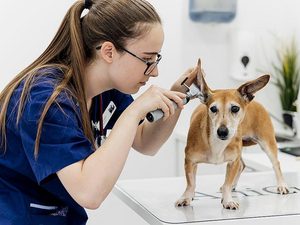
Your vet will usually examine the ear canal using an otoscope, a specialised instrument that helps them look for inflammation, discharge, foreign objects and abnormalities.
They may also collect a sample of ear discharge to examine under a microscope.
Medicated Ear Drops
Many infections can be treated using prescription ear drops.
Depending on the diagnosis, these may contain ingredients that address bacteria, yeast or inflammation.
The medication must be suitable for the individual dog, particularly if the eardrum may be damaged.
Never use leftover ear drops or medication prescribed for another pet without veterinary approval.
Ear Cleaning and Pain Relief
Your vet may recommend an appropriate ear cleaner to remove wax and discharge.
Some dogs also need pain relief or anti-inflammatory medication.
Severely painful ears may require professional cleaning under sedation or anaesthesia.
Follow the prescribed treatment schedule even when your dog’s symptoms begin to improve.
Treatment for Recurring Infections
Dogs with repeated infections may need additional investigations.
These can include assessment for allergies, examination of deeper ear structures or further testing when initial treatment does not work.
Recurring infections should not simply be treated with the same medication repeatedly without reassessing the cause.
Can You Treat a Dog Ear Infection at Home?
A suspected ear infection should be assessed by a vet rather than treated with home remedies.
Cleaning may be appropriate for some dogs, but it does not replace treatment for an infection.
Avoid putting vinegar, alcohol, hydrogen peroxide, essential oils or human ear medication into your dog’s ears.
These products may irritate inflamed tissue or cause additional problems, particularly if the eardrum is damaged.
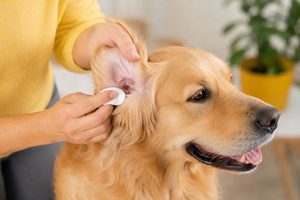
How to Clean Your Dog’s Ears Safely
If your vet confirms that cleaning is appropriate:
- Use a dog-safe ear cleaner recommended by your vet.
- Gently lift the ear flap and follow the product instructions.
- Massage the base of the ear if your dog is comfortable.
- Allow your dog to shake their head.
- Wipe accessible dirt from the outer ear using cotton wool.
- Reward your dog and stop if they show pain or distress.
Never insert cotton buds into the ear canal.
PDSA advises that many healthy dogs do not need regular ear cleaning at all. Cleaning too frequently may cause irritation.
See its veterinary guidance on cleaning dogs’ ears for further instructions.
How Much Does Dog Ear Infection Treatment Cost in the UK?
The cost depends on your veterinary practice, the severity of the infection and whether additional tests or medication are required.
An uncomplicated case may involve a consultation and prescription medication. More complex cases can require laboratory tests, repeated appointments or procedures under anaesthesia.
For context, a survey of 80 UK veterinary practices conducted by ManyPets in January 2026 found an average initial consultation fee of £61.99.
This is a consultation benchmark, not a complete ear infection treatment price.
| Possible expense | What affects the cost |
|---|---|
| Initial consultation | Practice location and consultation fees |
| Ear examination and sampling | Whether additional diagnostic tests are needed |
| Prescription medication | Drug type, quantity and treatment duration |
| Follow-up appointment | Whether the infection has cleared |
| Sedation or specialist treatment | Severity, complications and referral requirements |
Ask your vet for an itemised estimate before non-emergency procedures.
For wider pricing information, read our guide to average UK vet bills in 2026.
Does Pet Insurance Cover Dog Ear Infections?
Pet insurance may cover eligible veterinary treatment for an ear infection, but the outcome depends on your policy.
Important factors include:
- Whether symptoms existed before the policy started.
- Whether the condition developed during a waiting period.
- Whether recurring infections are considered related to an earlier condition.
- The policy’s veterinary fee limits and excess.
- Any specific exclusions or restrictions.
For example, if your dog had documented ear problems before taking out a new policy, the insurer may classify related treatment as pre-existing.
Some policies also contain bilateral-condition clauses affecting problems involving paired body parts, such as ears.
Read our guide to what pet insurance does not cover before relying on a policy to pay for treatment.
If treatment is needed, do not delay veterinary care while waiting for an insurance decision.
How Can You Prevent Ear Infections in Dogs?
Not every ear infection is preventable, especially when allergies or anatomical factors are involved.
However, regular observation and appropriate care can help owners recognise problems early.
Check Your Dog’s Ears Regularly
Look for unusual redness, discharge, swelling or unpleasant smells.
Pay attention to changes in scratching or head shaking.
These checks are particularly useful for dogs with a history of ear problems.
Keep Ears Comfortable After Swimming
If your dog swims frequently, ask your vet whether they need a specific ear-care routine.
Gently drying the outer ear may be helpful, but avoid inserting objects into the ear canal.
Dogs with recurring moisture-related problems may benefit from a veterinary-recommended cleaning or drying product.
Manage Underlying Allergies
If your dog develops repeated ear infections alongside itchy skin, discuss possible allergies with your vet.
Long-term management of the underlying condition may be more effective than repeatedly treating individual infections.
Avoid Unnecessary Cleaning
More cleaning does not always mean healthier ears.
Overcleaning can irritate sensitive tissue, while inappropriate products can worsen existing inflammation.
Follow an individual care plan recommended by your veterinary practice.
Frequently Asked Questions
Can a dog ear infection go away on its own?
Some mild irritation may settle, but a suspected ear infection should not be left untreated. Infections can be painful and may become more serious without appropriate veterinary care.
How long does a dog ear infection take to heal?
Recovery depends on the underlying cause and severity. Some uncomplicated cases improve during a short treatment course, while persistent or recurring infections may require several weeks of care and follow-up examinations.
Can a dog ear infection cause deafness?
Severe or untreated infections can sometimes damage structures involved in hearing. Blue Cross warns that untreated infections may cause permanent hearing problems.
Are dog ear infections contagious?
Most common bacterial or yeast-related ear infections are not directly contagious between dogs. However, parasites such as ear mites can spread between animals.
Should I clean my dog’s ears every day?
Not unless your vet recommends it. Many healthy dogs do not need routine ear cleaning. Dogs receiving treatment may need a specific cleaning schedule.
Final Thoughts
A dog ear infection is more than an irritating itch. It can cause considerable discomfort and, without appropriate care, may develop into a more serious condition.
Recognising symptoms early, avoiding unsuitable home remedies and following veterinary advice can help protect your dog’s comfort and hearing.
If infections keep returning, ask your vet to investigate the underlying cause rather than focusing only on short-term symptom relief. Discover more expert-informed pet care guides, UK vet cost insights and insurance information at PetCoverHQ.