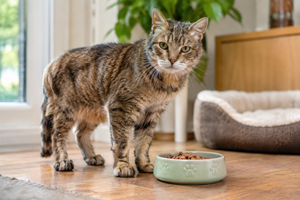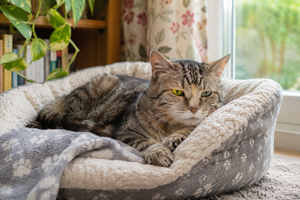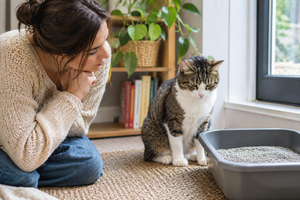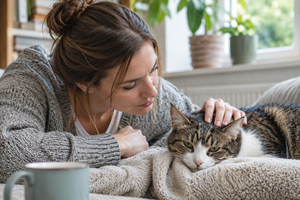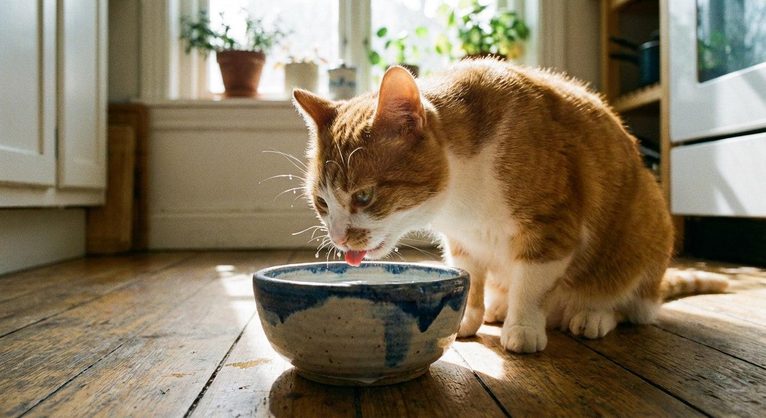
A cat not drinking water can worry any owner, especially when their pet suddenly stops visiting the water bowl. However, a cat not drinking water from its bowl may still receive enough fluids from wet food.
The important question is whether your cat is getting sufficient water overall. This guide from PetCoverHQ explains the causes, warning signs of dehydration and safe ways to encourage healthy drinking habits.
Why Is My Cat Not Drinking Water?
Cats do not all have the same drinking habits. Their water intake depends on their diet, age, activity, environment and health.
A cat eating wet food may visit the water bowl less frequently than one eating dry biscuits. This is because wet food usually contains around 70–80% moisture.
However, a sudden change in drinking behaviour deserves attention. If you notice your cat not drinking water as often as usual, check for changes in appetite, energy levels and urination. A sudden change can be more concerning than a naturally low drinking habit.
1. Your Cat Gets Water From Wet Food
Wet food contributes substantially to your cat’s daily hydration.
For example, a cat eating 200g of food containing 80% moisture receives approximately 160ml of water from that food alone.
This does not automatically mean the cat has met its total daily water requirement, but it helps explain why some cats rarely appear to drink.
Always keep fresh drinking water available, regardless of diet.
2. The Water Bowl Is Unappealing
Cats can be particular about where and how they drink.
Some dislike narrow bowls that touch their whiskers. Others avoid water placed near their food, litter tray or a noisy household appliance.
Plastic bowls may also retain odours that make water less appealing.
According to Cats Protection, wide ceramic, glass or metal bowls placed in quiet areas can encourage drinking.
3. Stress or Changes at Home
Moving house, introducing another pet or changing the household routine can affect a cat’s behaviour.
In multi-cat households, one cat may prevent another from approaching a shared water bowl.
Providing several drinking locations helps ensure that each cat has access without competition.
4. Dental Pain or Illness
Cats with painful teeth or gums may become reluctant to eat or drink.
Other conditions, including nausea, fever and gastrointestinal illness, can also reduce fluid intake.
If your cat suddenly stops drinking, appears uncomfortable or shows other symptoms, contact your vet rather than assuming the problem is behavioural.
How Much Water Should a Cat Drink Each Day?
For a cat not drinking water directly from a bowl, moisture from wet food can make a significant difference. Calculate total water intake rather than judging hydration by how much water disappears from the bowl.
A useful general estimate is approximately 40–60ml of total water per kilogram of body weight per day.
This includes moisture from food as well as water consumed from a bowl or fountain. Individual requirements vary, and a vet may recommend a different amount for a cat with a medical condition.
| Cat’s weight | Approximate total daily water intake |
|---|---|
| 2kg | 80–120ml |
| 3kg | 120–180ml |
| 4kg | 160–240ml |
| 5kg | 200–300ml |
| 6kg | 240–360ml |
These are illustrative estimates, not minimum drinking-bowl targets or diagnostic thresholds.
Example: A 4kg Cat Eating Wet Food
Imagine a 4kg cat eats two 85g pouches of wet food daily, each containing 80% moisture.
Its food provides:
170g × 0.80 = approximately 136ml of water.
If the cat’s total daily requirement is around 200ml, it may need approximately 64ml from drinking or other dietary sources.
This example demonstrates why measuring water-bowl consumption alone can be misleading.
The Cornell Feline Health Center also explains that cats consuming moisture-rich food often drink less directly than those eating dry food.
How to Tell If Your Cat Is Dehydrated
Dehydration occurs when a cat loses more fluid than it takes in.
It can develop through insufficient intake, vomiting, diarrhoea or illnesses that increase fluid loss.
Common warning signs include:
- Dry or sticky gums.
- Unusual tiredness or weakness.
- Reduced appetite.
- Sunken-looking eyes.
- Skin that returns slowly to its normal position after being gently lifted.
- Changes in urination.
No single home observation can reliably confirm or rule out dehydration.
For example, skin elasticity can naturally change in older cats, making the skin test less reliable.
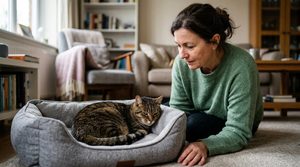
When Should You Contact a Vet?
| Situation | Recommended action |
|---|---|
| Cat drinks little but eats wet food, urinates normally and behaves normally | Monitor overall fluid intake and maintain fresh water |
| Sudden reduction in drinking without another obvious explanation | Contact your vet for advice |
| Dry gums, lethargy, poor appetite or vomiting | Seek prompt veterinary assessment |
| Severe weakness, collapse or inability to stand | Seek emergency veterinary care |
| Repeated attempts to urinate with little or no urine | Seek emergency veterinary care immediately |
A cat straining to urinate may have a urinary blockage, particularly if male. This is an emergency and should not be mistaken for simple dehydration.
Cats Protection advises contacting a vet straight away when dehydration is suspected. Cats Protection
How to Get a Cat to Drink More Water
If your cat is not drinking water but otherwise appears healthy, try changing the location, material or shape of its drinking bowl. Small environmental adjustments may encourage drinking without causing unnecessary stress.
These measures are intended to support hydration, not replace treatment for an underlying illness.
1. Provide Fresh Water Every Day
Replace your cat’s drinking water regularly and clean the bowl daily.
Some cats dislike stale water, particularly when it contains food particles or hair.
Try offering fresh tap water at room temperature and observe whether your cat has a preference.
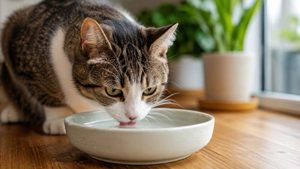
2. Use Wide, Shallow Bowls
Choose a stable bowl made from ceramic, glass or stainless steel.
A wide bowl allows your cat to drink without pressing its whiskers against the sides.
Position it somewhere quiet and easily accessible.
3. Place Several Water Bowls Around Your Home
A single water bowl may not be enough, particularly in a large or multi-storey home.
Place bowls in separate locations, away from litter trays and food stations.
For households with multiple cats, provide enough water sources to prevent competition.
4. Try a Cat Water Fountain
Some cats prefer moving water.
A pet fountain may encourage them to drink more frequently, although not every cat enjoys one.
Introduce it gradually and continue providing a normal water bowl.
Clean the fountain and replace its filter according to the manufacturer’s instructions.
5. Add Moisture to Their Food
Wet food can help increase total water intake.
You can also try adding a small amount of plain water to your cat’s usual food, provided they accept the change.
Introduce dietary adjustments gradually to avoid digestive upset.
If your cat is on a prescription diet, consult your vet before changing it.
6. Avoid Unsafe Drinks and Home Remedies
Cats should have access to clean drinking water.
Do not substitute cow’s milk, sweetened drinks or human electrolyte products.
Many cats cannot digest lactose properly, while some human drinks contain ingredients unsuitable for pets.
Do not force water into your cat’s mouth using a syringe unless specifically instructed by a veterinary professional. Doing so can cause distress and risk aspiration.
International Cat Care advises against force-feeding water because liquid can enter the lungs. icatcare.org
Why Is My Cat Drinking More Water Than Usual?
Not every hydration problem involves drinking too little.
A cat that suddenly becomes much thirstier may have an underlying medical condition.
Possible causes include:
- Chronic kidney disease.
- Diabetes mellitus.
- Hyperthyroidism.
- Urinary tract problems.
- Certain medications.
You may also notice larger amounts of urine, more frequent litter tray visits or weight loss.
PDSA recommends arranging a veterinary appointment when a cat starts drinking or urinating more than usual. PDSA
How to Measure Your Cat’s Water Intake
If your vet asks you to monitor drinking:
- Measure the water placed in the bowl at the start of the day.
- Record any water added during the next 24 hours.
- Measure the water remaining at the end.
- Subtract the remaining amount from the total supplied.
- Record your cat’s food type and approximate quantity.
Remember that spills, evaporation and multiple pets sharing bowls can affect accuracy.
Do not restrict your cat’s access to water to make measurement easier.
What Happens If a Cat Becomes Severely Dehydrated?
Severe dehydration can affect circulation, electrolyte balance and normal organ function.
A veterinary professional may assess hydration using a physical examination and, where necessary, blood or urine tests.
Treatment depends on the cause and severity.
Some cats require fluids administered under the skin, while more seriously affected cats may need intravenous fluid therapy and hospital monitoring.
If your cat has an underlying illness, treating that condition is just as important as restoring hydration.
A cat not drinking water and showing signs of weakness, vomiting or significant lethargy needs prompt veterinary assessment. Do not rely on home remedies when dehydration or an underlying illness is suspected.
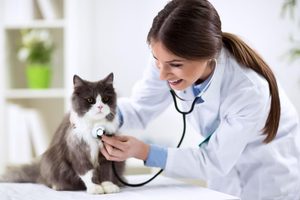
How Much Does Dehydration Treatment Cost in the UK?
There is no single standard price for treating a dehydrated cat.
The final bill depends on the severity of the condition, whether diagnostic tests are required and whether the cat needs hospital care.
| Possible treatment | Why it may be needed |
|---|---|
| Veterinary consultation | Initial examination and assessment |
| Blood tests | Checking kidney function, electrolytes or other abnormalities |
| Urine testing | Investigating urinary or metabolic conditions |
| Fluid therapy | Restoring hydration under veterinary supervision |
| Hospitalisation | Monitoring a cat with significant dehydration or underlying illness |
A mildly affected cat may need relatively straightforward care. A severely ill cat requiring overnight monitoring and intravenous fluids can incur substantially higher costs.
Ask your veterinary practice for an itemised estimate whenever the situation allows.
Will Pet Insurance Cover Dehydration Treatment?
Eligible treatment for dehydration caused by a new illness may be covered by some pet insurance policies.
However, coverage depends on the policy wording, exclusions, waiting periods and any pre-existing conditions.
For example, dehydration related to a previously diagnosed kidney condition may be excluded by a new policy.
If you are reviewing cover, read our Cat Insurance UK Buying Guide to understand veterinary fee limits, exclusions and policy types.
For older cats, our Senior Cat Insurance UK guide explains how age, previous illnesses and co-payments can affect claims.
Do not delay urgent veterinary treatment while checking insurance eligibility.
Frequently Asked Questions
Is it normal for a cat not to drink much water?
Yes, some healthy cats drink very little from their bowls, particularly when eating moisture-rich wet food. However, a sudden change in drinking habits or other symptoms should be discussed with a vet.
How long can a cat go without drinking water?
There is no safe period that applies to every cat. Fluid from wet food contributes to hydration, but a cat receiving insufficient total water can become seriously ill. Contact your vet promptly if your cat stops drinking and is also eating poorly or appears unwell.
Can I give my cat milk instead of water?
No. Milk is not a suitable substitute for drinking water. Many cats are lactose intolerant, and milk can cause digestive upset.
Can dehydration cause kidney problems in cats?
Severe dehydration can reduce blood flow to the kidneys and contribute to kidney injury. Kidney disease can also increase fluid loss and make dehydration more likely.
Should I give my cat water with a syringe?
Not without specific veterinary instruction. Forcing water into a cat’s mouth can cause choking or aspiration and may delay appropriate treatment.
Why is my cat not drinking water but still eating?
Your cat may obtain much of its water from wet food, dislike its water bowl or have another reason for drinking less. If the change is sudden or persistent, ask your vet for advice.
Is a cat not drinking water but eating normally a concern?
A cat not drinking water may still be adequately hydrated if it eats moisture-rich food. However, sudden changes in drinking habits, reduced urination or unusual behaviour should be discussed with a vet.
Final Thoughts
A cat not drinking water is not always a sign of illness. Wet food, bowl preferences and household conditions can all influence drinking habits. However, sudden changes or symptoms of dehydration should never be ignored.
Monitor your cat’s appetite, behaviour and urination, and contact your vet whenever you are concerned.
For more practical advice on cat health, veterinary costs and pet insurance in the UK, explore PetCoverHQ.