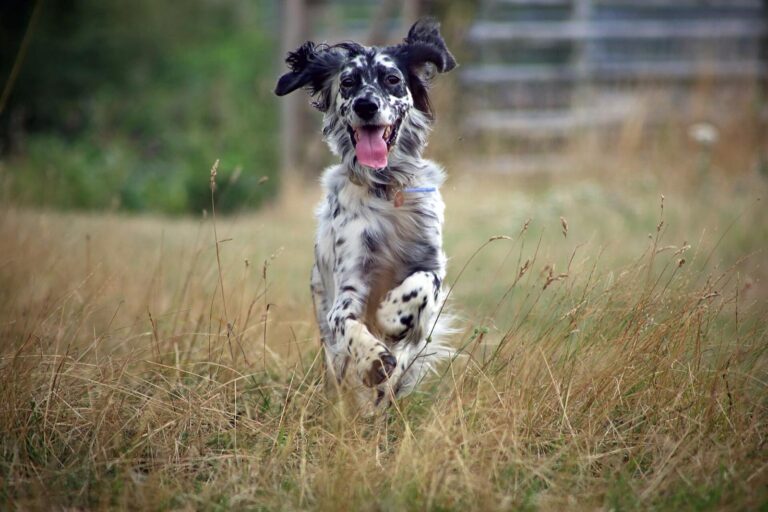
Dog recall training teaches your dog to return to you when called, even when something exciting catches its attention. It is one of the most important skills for keeping your dog safe during walks, outdoor activities and everyday adventures.
According to the RSPCA, successful recall requires making yourself more rewarding and interesting than the surrounding environment. This means using positive reinforcement, practising regularly and increasing distractions gradually.
Effective dog recall training starts at home, where your dog feels comfortable and there are fewer distractions. Once your dog responds consistently, you can introduce longer distances, outdoor environments and more challenging situations.
In this PetCoverHQ guide, you will learn five practical recall training steps, common mistakes to avoid, ways to improve reliability and important safety considerations before allowing your dog off the lead.
Why Is Dog Recall Training Important?
Reliable recall helps protect your dog from potentially dangerous situations.
The RSPCA considers coming when called an essential behaviour for dogs to learn.
A dog that runs away or ignores its owner may encounter traffic, unfamiliar animals or other hazards.
Dogs Trust also identifies busy roads, livestock, other dogs and dog theft among the risks associated with poor recall.
Regular dog recall training can help your dog:
- Return when called during walks.
- Avoid dangerous roads and unfamiliar situations.
- Respond more reliably around distractions.
- Enjoy controlled outdoor exercise.
- Build a positive relationship with you.
- Develop confidence through reward-based training.
However, even well-trained dogs can occasionally become distracted. Recall should never be treated as a guarantee of safety in every environment.
Dog Recall Training: 5 Best Steps for Beginners
The following five steps combine guidance from the RSPCA and Dogs Trust.
Keep sessions short, enjoyable and appropriate for your dog’s age and attention span.
Step 1: Start Recall Training in a Quiet Environment
Begin your dog recall training indoors or in a secure, enclosed garden.
Choose somewhere familiar with minimal distractions.
Prepare high-value rewards such as small pieces of your dog’s favourite treats or a toy it particularly enjoys.
Stand a short distance away and encourage your dog to approach.
At this stage, focus on making the experience positive rather than testing how far your dog can travel.
Reward every successful return.
Practising in a quiet environment helps your dog understand what you want before you introduce more challenging situations.
Step 2: Choose a Clear Recall Command
Choose a short, consistent recall cue such as “come” or “here”.
Say your dog’s name first to gain its attention, then give the chosen cue.
Use a cheerful voice and move a few steps backwards to encourage your dog to follow.
You can also crouch slightly to appear more inviting.
For example:
- Stand a short distance from your dog.
- Say its name to attract attention.
- Give the recall cue once.
- Move backwards encouragingly.
- Praise and reward your dog when it reaches you.
Avoid repeatedly shouting the command.
Consistent wording makes dog recall training easier because your dog learns to associate one specific cue with returning to you.
Step 3: Reward Your Dog for Coming Back
Positive reinforcement is central to successful recall training.
When your dog reaches you, reward it immediately with something it enjoys.
This may include:
- Small, tasty treats.
- Enthusiastic verbal praise.
- A short game with a favourite toy.
- Gentle affection, if your dog enjoys it.
The RSPCA recommends making returning to you a rewarding experience.
You should also practise gently touching or holding your dog’s collar before giving the reward.
This helps your dog become comfortable being secured after returning.
During early dog recall training, reward successful responses consistently so your dog develops a strong positive association with the cue.
As training progresses, you can vary the rewards while continuing to reinforce good behaviour.
Step 4: Gradually Increase Distance and Distractions
Once your dog responds reliably at close range, begin increasing the distance.
Practise calling your dog from another part of the room, then from different rooms in your home.
You can also practise in a secure garden.
A friend or family member can help by gently holding your dog’s collar while you move a short distance away.
Call your dog and reward it when it reaches you.
Gradually introduce mild distractions, such as toys or familiar household activity.
Avoid increasing distance and distraction levels too quickly.
If your dog begins ignoring the recall cue, make the exercise easier again.
The aim of dog recall training is to build consistent success through manageable challenges.
Step 5: Practise Outdoors With a Long Training Lead
When your dog responds consistently at home, begin practising outdoors in a safe environment.
A long training lead allows your dog to explore while remaining under control.
Attach the line to a properly fitted harness and manage it carefully to reduce the risk of tangling or sudden jolts.
Choose a quiet location away from busy roads, livestock and other significant hazards.
Allow your dog to move a short distance away, then give the recall cue.
Reward successful returns with high-value treats or a favourite game.
As your dog becomes more reliable, practise around gradually increasing distractions.
Outdoor dog recall training should remain controlled until your dog consistently responds in a variety of situations.
Never assume that successful recall indoors automatically means your dog is ready to be off the lead in a busy park.
Essential Rules for Successful Dog Recall Training
Consistency is one of the most important factors in building reliable recall.
Dogs Trust recommends allowing your dog at least five seconds to respond before repeating a recall cue.
Calling repeatedly can make the command less meaningful.
Always Make Returning Worthwhile
Reward your dog for coming back, especially when it leaves something interesting.
For example, returning from a distracting smell or another activity may deserve a particularly valuable reward.
Your dog should learn that responding to your recall cue leads to something positive.
Avoid Calling When Your Dog Is Unlikely to Respond
If your dog is extremely distracted, calling repeatedly may encourage it to ignore the cue.
Instead, move closer, reduce the distraction or use your long line to maintain control.
Practise at an easier level before trying again.
Never Punish Your Dog for Returning Late
One important rule of dog recall training is to avoid punishment.
Even if your dog takes longer than expected, praise it when it eventually returns.
Scolding your dog may create a negative association with coming back.
Practise Recall During Everyday Activities
Recall does not need to happen only during formal training sessions.
You can practise during playtime, in your garden or while moving between rooms.
Short, positive sessions can help reinforce the behaviour without overwhelming your dog.
Sometimes Let Your Dog Return to Exploring
If every recall ends with the lead going on and the walk finishing, your dog may become reluctant to return.
During safe practice, occasionally reward your dog and then allow it to resume exploring.
This teaches your dog that coming back does not always mean the fun is over.
Common Dog Recall Training Mistakes to Avoid
Even experienced owners can make mistakes when teaching recall.
Understanding these problems can help improve your dog’s response.
Repeating the Recall Command Too Often
Calling “come” repeatedly may teach your dog that responding immediately is unnecessary.
Use the cue clearly and give your dog time to respond.
Training Around Too Many Distractions
Busy parks, other dogs and wildlife can make recall difficult.
Begin with manageable distractions and gradually increase the challenge.
Using Rewards Your Dog Does Not Value
Some dogs respond enthusiastically to food, while others prefer toys or play.
Experiment with suitable rewards to discover what motivates your dog.
Becoming Angry When Your Dog Ignores You
Shouting or punishing your dog can damage its willingness to return.
Stay calm and make future training sessions easier.
Removing the Lead Too Early
A dog that responds well at home may still struggle in unfamiliar outdoor environments.
Continue dog recall training on a long line until your dog demonstrates reliable responses in different settings.
What to Do If Your Dog Ignores Your Recall Command
If your dog ignores you, avoid panicking or shouting.
Dogs Trust advises owners to remain calm because anger can make dogs less willing to return.
Instead, try the following:
- Avoid repeatedly shouting the recall cue.
- Reduce the distance between you and your dog.
- Use a cheerful voice to regain attention.
- Move away encouragingly if it is safe.
- Calmly collect your dog if necessary.
- Return to easier training exercises.
If your dog is attached to a long line, use it to maintain safety without jerking or dragging the dog towards you.
Reward voluntary returns and continue practising in a less distracting environment.
Repeated failures usually mean the exercise is currently too difficult.
Adjusting the environment is often more effective than increasing pressure.
When Can You Let Your Dog Off the Lead?
Successful dog recall training takes time, and there is no fixed age or number of sessions that guarantees reliability.
Before allowing your dog off the lead, consider whether it responds consistently around other dogs, unfamiliar people, interesting smells and outdoor distractions.
Battersea advises owners to ensure their dogs have reliable recall before allowing off-lead interactions.
You should also consider the location.
Avoid off-lead exercise near busy roads, livestock or areas where dogs must remain on leads.
Always follow local restrictions and landowner requirements.
Even with good recall, some dogs may need to remain on a lead or long line in certain environments.
Check Your Dog’s Microchip Details
In case your dog becomes lost, make sure its microchip registration details are accurate and up to date.
Our guide to UK dog microchipping laws and costs explains the requirements.
You may also want to understand your responsibilities if your dog causes injury or damage.
Our guide to third-party liability dog insurance explains the role this cover may play.
When Should You Start Recall Training With a Puppy?
You can begin dog recall training as soon as your puppy has settled into its new home.
Start with simple exercises indoors.
Call your puppy from a short distance and reward it enthusiastically when it approaches.
Young puppies often have short attention spans, so brief training sessions are usually more effective than lengthy exercises.
You can gradually introduce new environments as your puppy develops confidence.
For outdoor training, follow your vet’s advice about vaccination protection and safe socialisation.
Our guide to puppy socialisation explains how to introduce puppies to new experiences safely.
How Long Does Dog Recall Training Take?
The time needed to develop reliable recall varies between dogs.
Factors include:
- Age and previous training.
- Temperament and motivation.
- Consistency of practice.
- Environmental distractions.
- Previous experiences with recall.
- The owner’s ability to reward successful responses.
Some dogs learn the basic cue quickly but require considerably longer to respond reliably outdoors.
Regular dog recall training should continue even after your dog becomes confident.
Occasional practice helps maintain the behaviour and reinforces your relationship.
Frequently Asked Questions About Dog Recall Training
What is the best way to teach a dog recall?
Start in a quiet environment, choose a consistent recall cue and reward your dog immediately for returning. Gradually increase distance and distractions as your dog becomes more reliable.
When should I start recall training with a puppy?
You can begin when your puppy has settled into its home. Use short, positive sessions indoors before progressing to suitable outdoor environments.
Should I tell my dog off for not coming back?
No. Punishment can make your dog less willing to return. Dogs Trust recommends staying calm and rewarding your dog when it comes back.
Why does my dog listen at home but not outside?
Outdoor environments contain more distractions, including smells, wildlife, people and other dogs. Continue practising in controlled environments and increase distractions gradually.
Can older dogs learn recall?
Yes. Adult and older dogs can learn or improve recall through consistent, reward-based training. Progress depends on the individual dog and its previous experiences.
Should I use a whistle for recall training?
A whistle can be used as a consistent recall cue. Introduce it gradually and pair it with positive rewards so your dog learns what the sound means.
Conclusion
Dog recall training is an essential skill that can help keep your dog safer while allowing it to enjoy outdoor activities.
Start with simple exercises at home, use positive rewards and gradually introduce distance and distractions.
Remember that reliable recall develops through patience, consistency and regular practice.
Avoid punishment, prevent repeated unsuccessful recalls and continue using a lead or long line whenever safety is uncertain.
At PetCoverHQ, we provide practical pet care advice and UK insurance information to help owners make informed decisions about their dogs’ wellbeing.
This article provides general dog training information and is not a substitute for individual advice from a qualified veterinary or animal behaviour professional.