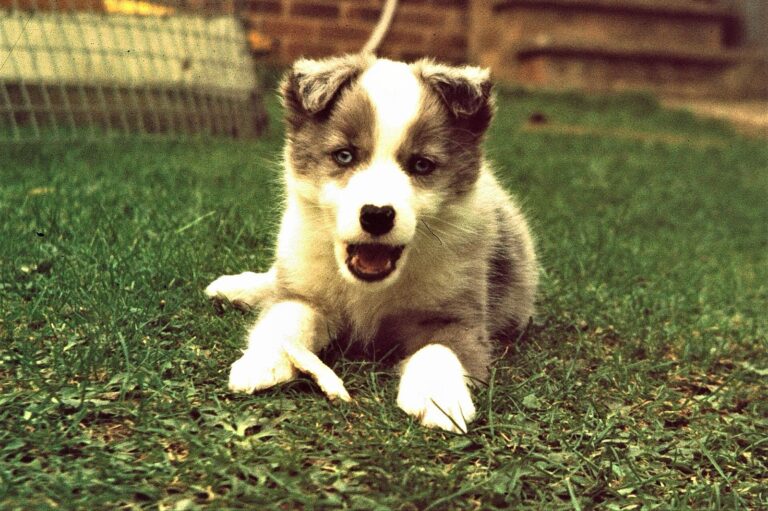
Learning how to toilet train a puppy is one of the first responsibilities of bringing a new dog home. Puppies have small bladders, limited control over their toileting habits and need frequent opportunities to relieve themselves.
The good news is that puppy toilet training does not have to be complicated. With a consistent routine, positive reinforcement and plenty of patience, most puppies can gradually learn where they should go.
According to the PDSA, some puppies become toilet trained within a few months, while others take considerably longer. Accidents are a normal part of the learning process.
In this PetCoverHQ guide, you will learn how to toilet train a puppy in 7 practical steps, when to take your puppy outside, how to recognise toileting signals and what to do when accidents happen.
How to Toilet Train a Puppy: 7 Best Tips
Successful puppy toilet training depends on consistency, timing and positive rewards.
Dogs Trust recommends beginning toilet training from the first day your puppy arrives home.
The following steps can help establish good habits without causing unnecessary stress.
1. Establish a Consistent Toilet Routine
The first step in learning how to toilet train a puppy is creating a predictable daily schedule.
Young puppies need frequent toilet breaks because the muscles controlling their bladder and bowels are still developing.
Battersea explains that puppies may initially need to go outside approximately every hour.
Some puppies require even more frequent opportunities.
Take your puppy outside regularly, particularly after sleeping, eating, playing or becoming excited.
| When to Take Your Puppy Outside | Why It Matters |
|---|---|
| Immediately after waking | Puppies often need the toilet after sleeping |
| After every meal | Eating can stimulate bowel movements |
| After playing | Activity may increase the need to toilet |
| After visitors or excitement | Excitement can trigger toileting |
| Before being left alone | Reduces the likelihood of accidents |
| Before bedtime | Helps prepare for a more comfortable night |
| Every 45–60 minutes initially | Young puppies cannot hold on for long |
Guidance based on RSPCA and PDSA recommendations reviewed in November 2026.
If you live in a flat, allow extra time to reach the designated outdoor area.
Battersea suggests carrying very young puppies when necessary to reduce the risk of accidents in corridors or lifts.
A predictable routine helps your puppy associate outdoor trips with toileting.
2. Choose a Designated Outdoor Toilet Area
When learning how to toilet train a puppy, choosing a consistent outdoor location can make the process easier.
Take your puppy to the same suitable area whenever possible.
Familiar smells can help your puppy recognise the purpose of the visit.
Choose somewhere relatively quiet and free from unnecessary distractions.
Allow your puppy time to sniff and settle.
Avoid turning every toilet trip into an exciting play session before your puppy has relieved itself.
If your puppy does not go after approximately five minutes, return indoors and supervise it closely.
The Blue Cross suggests trying again around ten minutes later.
Consistency helps your puppy understand where toileting is expected.
3. Recognise the Signs Your Puppy Needs the Toilet
Understanding your puppy’s body language is an important part of how to toilet train a puppy successfully.
The Blue Cross identifies several common signs that a puppy may need to relieve itself.
These include:
- Sniffing the floor repeatedly.
- Walking in circles.
- Becoming restless.
- Moving towards a previously used toileting area.
- Suddenly stopping an activity.
- Looking for a quiet corner.
If you notice these behaviours, calmly take your puppy outside.
During the early stages, keep your puppy within sight whenever possible.
Supervision allows you to respond quickly and helps prevent indoor accidents.
As your puppy becomes more familiar with the routine, it may begin developing clearer ways to indicate that it needs to go outside.
4. Introduce a Simple Toilet Command
A consistent verbal cue can help your puppy associate a particular word with toileting.
The RSPCA suggests using a calm word such as “toilet” when your puppy begins relieving itself.
You could also choose another short, easy-to-remember phrase.
Use the same cue consistently.
Avoid repeating the word excessively or distracting your puppy while it is going.
Dogs Trust advises allowing your puppy to toilet without unnecessary interruption.
Over time, your puppy may begin associating the cue with the behaviour.
This can be particularly useful before bedtime, during travel or when you need your puppy to toilet before leaving home.
5. Reward Your Puppy Immediately
Positive reinforcement is one of the most effective methods for how to toilet train a puppy.
When your puppy successfully toilets outside, reward it immediately after it finishes.
Suitable rewards include:
- Small, tasty treats.
- Gentle verbal praise.
- A favourite toy.
- A short play session.
- Positive attention.
Rewarding immediately helps your puppy connect the correct behaviour with something enjoyable.
Avoid waiting until you return indoors to offer the reward.
The RSPCA also recommends allowing a short walk or some play after successful toileting.
If every toilet trip ends immediately after your puppy goes, it may learn to delay toileting to extend its time outside.
Make outdoor toileting a positive experience rather than something that ends enjoyable activities.
6. Handle Indoor Accidents Calmly
Accidents are a normal part of learning how to toilet train a puppy.
Never shout at your puppy, punish it or rub its nose in an accident.
The Blue Cross explains that punishment can frighten and confuse puppies.
It may also teach them to hide when they need to toilet.
The PDSA advises that accidents often indicate a puppy has not had enough opportunities to go outside.
If you notice your puppy beginning to toilet indoors, calmly interrupt only if you can do so without frightening it.
Take your puppy outside and allow it to finish.
Afterwards, clean the indoor area thoroughly.
An appropriate enzymatic pet cleaner can help remove lingering odours.
Battersea also describes a diluted biological washing powder solution, but always check that any cleaning product is suitable for the surface and safe around pets.
Avoid ammonia-based cleaners because their smell may encourage repeat toileting in the same area.
Keep your puppy away from the area until cleaning products have been removed or dried according to their instructions.
7. Build Good Night-Time Toilet Habits
Night-time routines are another important part of how to toilet train a puppy.
Very young puppies may not be physically capable of remaining dry throughout the night.
Battersea explains that many puppies need overnight toilet breaks, while the PDSA advises that this may continue during the first few weeks.
Take your puppy outside immediately before bedtime.
If it wakes and appears to need the toilet, calmly take it to the designated area.
Keep the experience quiet and uneventful.
Avoid encouraging energetic play during night-time toilet trips.
Once your puppy has finished, settle it back into its sleeping area.
Keeping your puppy’s bed or crate nearby can make it easier to notice when it needs attention.
Our guide to how to crate train a puppy explains how to create a comfortable and positive crate environment.
A crate should never be used as punishment or as a reason to delay necessary toilet breaks.
How Long Does It Take to Toilet Train a Puppy?
There is no universal timetable for puppy toilet training.
The PDSA explains that some puppies learn within a few months, while others take much longer.
The Blue Cross also advises owners to expect accidents during the first few months.
Progress depends on several factors, including:
- Your puppy’s age and physical development.
- The consistency of your toilet routine.
- How frequently you provide outdoor opportunities.
- Your puppy’s health and individual needs.
- Previous experiences and training.
- Your ability to supervise and reward successful toileting.
When learning how to toilet train a puppy, focus on gradual improvement rather than expecting immediate perfection.
A puppy that has several accident-free days may still have an occasional setback.
This does not necessarily mean the training has failed.
Continue following a consistent routine and adjust the frequency of toilet breaks when needed.
Puppy Toilet Training Schedule for UK Owners
A practical schedule can help you organise your puppy’s day.
The example below illustrates how regular toilet breaks can fit around everyday activities.
| Time or Activity | Suggested Action |
|---|---|
| First thing in the morning | Take your puppy outside immediately |
| After breakfast | Offer another toilet opportunity |
| During the morning | Provide regular breaks and supervise closely |
| After naps | Take your puppy outside |
| After lunch | Offer a toilet break |
| After playtime | Return to the designated toilet area |
| During the afternoon | Continue frequent breaks |
| After the evening meal | Take your puppy outside |
| Before bedtime | Offer a final toilet opportunity |
| Overnight, if needed | Provide a calm toilet break |
This is an example routine rather than a fixed timetable.
Very young puppies may need breaks every 45–60 minutes or more frequently, depending on their individual needs.
Adjust the schedule as your puppy grows and develops better bladder control.
Should You Use Puppy Training Pads?
Puppy pads can be useful in some situations, particularly when immediate outdoor access is difficult.
However, they may also create an additional stage of training if your ultimate goal is outdoor toileting.
Some puppies become accustomed to relieving themselves on soft indoor surfaces.
Battersea suggests removing rugs temporarily if your puppy has developed a preference for toileting on similar materials.
It also recommends using a paper towel containing a small amount of the puppy’s urine to help identify the desired outdoor toilet area.
If you use puppy pads, gradually move towards your preferred outdoor routine while continuing to reward successful toileting.
The most suitable approach depends on your living arrangements and your puppy’s individual circumstances.
Common Puppy Toilet Training Mistakes
Understanding how to toilet train a puppy also means avoiding habits that slow down progress.
Waiting Too Long Between Toilet Breaks
Young puppies cannot control their bladder for extended periods.
Waiting too long increases the likelihood of accidents.
Punishing Accidents
Punishment can cause fear and make training more difficult.
Instead, focus on supervision and rewarding correct behaviour.
Changing the Routine Too Often
Inconsistent toilet times and locations can confuse your puppy.
Ask everyone in your household to follow the same basic approach.
Forgetting to Reward Outdoor Toileting
If your puppy receives no positive feedback, it may take longer to understand what you expect.
Reward successful outdoor toileting consistently.
Expecting Overnight Success
Night-time bladder control develops gradually.
Be patient and provide appropriate breaks when needed.
Why Is My Toilet-Trained Puppy Having Accidents Again?
Occasional setbacks can happen during training.
However, a puppy or adult dog that suddenly begins toileting indoors after previously being reliable may need veterinary attention.
The RSPCA notes that indoor toileting can sometimes be related to medical conditions rather than training alone.
Potential warning signs include:
- Urinating much more frequently than usual.
- Straining or appearing uncomfortable.
- Blood in the urine.
- Increased thirst.
- Sudden changes in toileting habits.
- Repeated accidents despite a consistent routine.
Contact your vet if you notice concerning symptoms.
If your dog is unable to urinate or appears to be in significant distress, seek urgent veterinary care.
Avoid assuming that every accident is a behavioural problem.
Creating a Positive Puppy Training Routine
Successful puppy toilet training works best alongside other positive early training experiences.
Keep sessions short, predictable and rewarding.
If your puppy is also developing unwanted nipping habits, our guide to how to stop a puppy biting offers practical advice.
It is also sensible to plan for your puppy’s healthcare needs while it is young.
Our guide to puppy insurance in the UK explains important considerations when comparing policies.
At PetCoverHQ, we aim to help UK pet owners understand everyday care, training and insurance decisions.
Frequently Asked Questions
What is the fastest way to toilet train a puppy?
The most effective approach is to provide frequent outdoor opportunities, use a consistent location and reward successful toileting immediately. Avoid punishment and adjust the routine to your puppy’s needs.
How often should I take my puppy outside?
Very young puppies may need toilet breaks every 45–60 minutes or even more frequently. Always offer opportunities after sleeping, eating, playing and excitement.
Should I wake my puppy during the night to toilet?
Some young puppies need overnight toilet breaks. Monitor your puppy’s needs and follow a calm routine. Avoid waking a settled puppy unnecessarily unless there is a specific reason to do so.
Should I use puppy pads?
Puppy pads may be useful when outdoor access is limited. However, if you want your puppy to toilet outside, you may need to gradually transition away from indoor pads.
Why does my puppy keep toileting indoors?
Common reasons include insufficient toilet breaks, incomplete training or difficulty recognising toileting signals. Sudden or persistent changes may also indicate a health problem.
Can an older puppy still be toilet trained?
Yes. Older puppies and adult dogs can learn appropriate toileting habits through consistent routines and positive reinforcement.
Conclusion
Learning how to toilet train a puppy takes patience, consistency and a positive approach.
Start by creating a regular schedule, recognising your puppy’s toileting signals and rewarding successful outdoor trips.
Remember that accidents are part of the learning process. Never punish your puppy for mistakes, and provide additional opportunities when needed.
With consistent practice and realistic expectations, your puppy can gradually develop reliable toileting habits.
For more puppy care, training and insurance information, explore PetCoverHQ.
This article provides general puppy care information and is not a substitute for advice from a qualified veterinary professional.