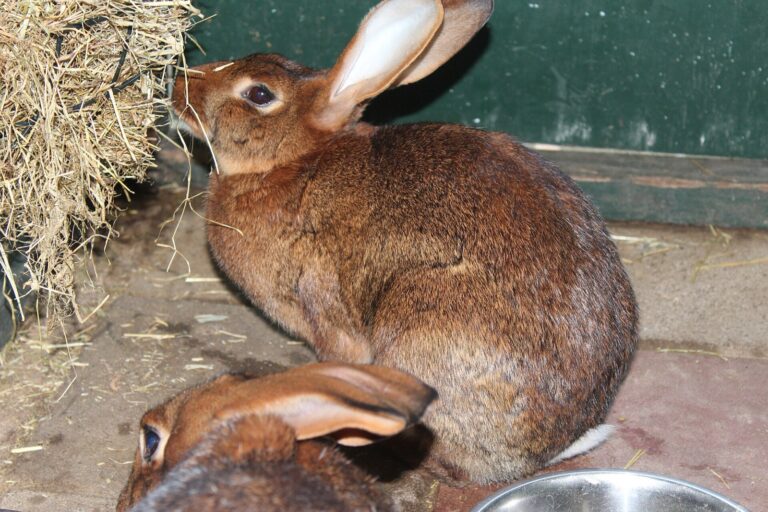
How long do rabbits live? Pet rabbits can live for 8 to 12 years with appropriate care, according to UK animal welfare charities such as Blue Cross and the RSPCA. Some rabbits live even longer, although many die much younger.
A major Royal Veterinary College (RVC) study found that pet rabbits recorded as dying at participating veterinary practices in England had a median age at death of just 4.3 years.
The difference is important. The 8–12-year range describes a lifespan that pet rabbits can achieve, while the RVC figure reflects the ages of rabbits that died within a particular study population.
Your rabbit’s lifespan can depend on genetics, body size, diet, housing, vaccination, dental health and access to veterinary care.
In this PetCoverHQ guide, we explain how long pet rabbits live in the UK, what the research reveals, whether smaller breeds live longer and how to support your rabbit through its senior years.
How Long Do Pet Rabbits Live?
A well-cared-for domestic rabbit may live for 8 to 12 years, and some reach their teenage years.
Blue Cross and other UK animal charities describe this as a realistic potential lifespan for pet rabbits receiving appropriate care.
However, it should not be confused with the average age at which rabbits die.
Many rabbits develop serious health problems much earlier.
Their lifespan is influenced by several factors, including:
- Breed and inherited characteristics.
- Diet and dental health.
- Vaccination.
- Housing and environmental safety.
- Neutering.
- Social companionship.
- Access to rabbit-experienced veterinary care.
How Long Do Wild Rabbits Live?
Wild rabbits generally have much shorter lives than domestic rabbits.
Many survive only one or two years because they face predators, disease, food shortages and environmental hazards.
Pet rabbits can benefit from regular food, secure housing and veterinary treatment.
However, domestic rabbits still need careful management to avoid preventable health problems.
What UK Research Says About Rabbit Lifespan
One of the most useful UK studies of rabbit health was conducted by researchers associated with the Royal Veterinary College’s VetCompass programme.
Published in Veterinary Record in 2020, the study analysed clinical records collected during 2013.
It included 6,349 rabbits attending 107 primary-care veterinary practices in England.
Of those rabbits, 370 died during the study period.
UK Rabbit Lifespan Statistics
| Finding | Result |
|---|---|
| Rabbits included | 6,349 |
| Veterinary practices | 107 |
| Recorded deaths | 370 |
| Median age at death | 4.3 years |
| Median age at death, males | 5.2 years |
| Median age at death, females | 3.7 years |
| Oldest rabbit among recorded deaths | 14.4 years |
Source: O’Neill et al., Veterinary Record, 2020, using veterinary records from 2013.
The researchers found that half of the rabbits that died during the study were younger than 4.3 years, while the other half were older.
This is not the same as saying that every pet rabbit has a life expectancy of 4.3 years.
Why Is the Recorded Lifespan So Much Lower?
The study examined rabbits receiving veterinary care, rather than every pet rabbit living in the UK.
It also focused on deaths recorded during a particular period.
The authors noted that earlier owner surveys had reported average rabbit longevity figures of approximately 4.2 to 5.4 years.
These findings suggest that although rabbits can live for 8–12 years, many do not reach that age.
The research highlights the importance of preventive healthcare and appropriate husbandry.
Rabbit Lifespan by Breed and Size
A rabbit’s breed and body size may influence its lifespan.
Smaller breeds are often described as living longer than giant breeds.
However, the available UK evidence does not support precise lifespan predictions for every rabbit breed.
The Scottish SPCA suggests that some smaller rabbits may live for 12 years or longer, while larger breeds may have shorter typical lifespans.
Rabbit Lifespan by Size
| Rabbit Size | General Lifespan Guidance |
|---|---|
| Small and dwarf breeds | Some can live 12 years or longer |
| Medium-sized breeds | Many can reach 8–12 years with good care |
| Large and giant breeds | Often described as having shorter lifespans, sometimes around 5–8 years |
These are broad welfare-guidance estimates, not breed-specific median figures from a controlled UK lifespan study.
How Long Do Netherland Dwarf Rabbits Live?
Netherland Dwarfs are among the smaller domestic rabbit breeds.
Some can live into their early teenage years.
However, their small size does not eliminate health risks.
Dental problems and inherited physical characteristics may affect individual rabbits.
How Long Do Mini Lop Rabbits Live?
Mini Lops can also live for many years with appropriate care.
However, lop-eared rabbits may be predisposed to certain ear and dental problems.
Regular veterinary checks are particularly important.
How Long Do Giant Rabbits Live?
Giant breeds are generally thought to have shorter lifespans than smaller rabbits.
Their larger body size can also create different mobility and housing requirements.
Owners should provide sufficient space, suitable flooring and regular health assessments.
Why Are Exact Breed Figures Difficult to Find?
In the RVC study, approximately 31.9% of rabbits were recorded simply as domestic rabbits.
Another 26.4% were recorded as lop types, while 10.6% were Netherland Dwarfs.
Because breed information was often broad or incomplete, the researchers could not reliably compare lifespan across individual breeds.
For this reason, breed lifespan figures found online should be treated as estimates rather than guarantees.
What Are the Most Common Causes of Death in Pet Rabbits?
The RVC study identified several important causes of death.
Among the 267 rabbits with a recorded cause of death, flystrike was the most frequently identified.
Other recorded causes included loss of appetite, collapse, gut problems and infectious diseases.
Common Recorded Causes of Rabbit Death
| Recorded Cause | Share of Deaths With Known Cause |
|---|---|
| Flystrike | 10.9% |
| Not eating (anorexia) | 6.7% |
| Collapse or inability to remain upright | 6.7% |
| Ileus | 6.0% |
| Myxomatosis | 5.2% |
| Bite injuries | 4.9% |
Source: RVC VetCompass study. Percentages use the 267 deaths with a recorded cause, not all 370 deaths.
Some entries, such as not eating or collapse, describe clinical signs rather than a confirmed underlying disease.
The findings should not be interpreted as proof that every death in these categories could have been prevented.
Nevertheless, the study identified opportunities to improve rabbit welfare through preventive care.
Flystrike: A Serious Risk for Rabbits
Flystrike occurs when flies lay eggs on a rabbit’s body, often around areas contaminated with urine or faeces.
The eggs can hatch into maggots that damage tissue.
This is a veterinary emergency.
How to Reduce Flystrike Risk
Owners should:
- Check their rabbit’s rear end regularly.
- Keep bedding clean and dry.
- Prevent urine and faecal build-up.
- Monitor overweight or less mobile rabbits carefully.
- Seek veterinary advice about suitable preventive products.
- Treat diarrhoea or problems with grooming promptly.
During warmer weather, rabbits may need more frequent checks.
If you suspect flystrike, contact a vet immediately.
Do not delay treatment while attempting home remedies.
Dental Problems and Rabbit Lifespan
Rabbit teeth grow continuously throughout life.
They depend on appropriate chewing and tooth alignment to wear down naturally.
Dental problems can cause pain and make eating difficult.
The RVC study found that overgrown molars affected 7.6% of rabbits, while overgrown incisors affected 4.3%.
Signs of Dental Problems
Watch for:
- Eating less than usual.
- Dropping food.
- Difficulty chewing hay.
- Weight loss.
- Drooling.
- Changes in droppings.
- Swelling around the jaw.
Dental disease may require professional veterinary treatment.
Our guide to pet insurance dental cover in the UK explains why dental exclusions and policy conditions are important.
Why Gut Stasis Is Dangerous for Rabbits
Gastrointestinal stasis, commonly called gut stasis, occurs when normal movement through the digestive system slows or stops.
It can be associated with pain, dental disease, dehydration, stress or other underlying problems.
Rabbits need a healthy digestive system to process their high-fibre diet.
Signs That Require Urgent Attention
Contact a rabbit-experienced vet immediately if your rabbit:
- Stops eating.
- Produces very few or no droppings.
- Appears hunched or uncomfortable.
- Becomes unusually quiet.
- Shows signs of abdominal pain.
- Develops a swollen abdomen.
A rabbit that stops eating should not be left until the following day to see whether it improves.
Some conditions, including intestinal obstruction, require different treatment from uncomplicated gut stasis.
Do not force-feed or administer medication unless a vet has advised it.
How to Help Your Rabbit Live Longer
Good daily care can support your rabbit’s health and wellbeing.
Although no routine guarantees a particular lifespan, many important risk factors can be managed.
1. Feed Plenty of Hay
A rabbit’s diet should be based mainly on good-quality hay or grass.
The Rabbit Welfare Association & Fund recommends that hay and grass make up approximately 85% of a healthy rabbit’s diet.
Leafy greens should make up a smaller proportion, with a limited amount of suitable pellets.
Hay supports normal digestive function and helps wear down teeth.
2. Provide Fresh Water
Your rabbit should have constant access to clean drinking water.
Check water bowls and bottles daily.
Bowls can encourage natural drinking behaviour, although they should be positioned securely to prevent spills.
3. Limit Sugary Treats
Fruit and other sugary foods should be given sparingly, if at all.
Excessive treats can contribute to an unbalanced diet.
Avoid feeding unsuitable human foods.
4. Encourage Daily Exercise
Rabbits need enough space to run, hop, stretch, stand upright and explore.
A small hutch alone is not suitable as permanent living accommodation.
Provide a secure enclosure with opportunities for movement and enrichment.
5. Arrange Regular Veterinary Checks
Routine veterinary appointments can help identify dental problems, weight changes and other health concerns.
A vet experienced with rabbits can recommend an appropriate preventive healthcare plan.
Rabbit Vaccinations in the UK: What Has Changed?
Vaccination is an important part of protecting pet rabbits against serious infectious diseases.
The main diseases of concern include:
- Myxomatosis.
- Rabbit viral haemorrhagic disease type 1 (RVHD1).
- Rabbit viral haemorrhagic disease type 2 (RVHD2).
These diseases can be severe or fatal.
The Updated RWAF Recommendation
In 2026, the Rabbit Welfare Association & Fund reiterated its recommendation that rabbits receive two different vaccinations to provide broader protection against RVHD2, including highly virulent strains.
Its guidance describes:
- A combined vaccine covering myxomatosis, RVHD1 and RVHD2.
- An additional vaccine covering RVHD1 and RVHD2, including highly virulent RVHD2 strains.
The vaccines should be administered at separate appointments according to veterinary guidance.
RWAF suggests spacing them by at least two weeks and considering approximately six-month intervals where appropriate.
Owners should discuss the precise vaccination schedule with their vet.
Do not discontinue an existing vaccination programme while waiting for another vaccine.
Does Neutering Help Rabbits Live Longer?
Neutering can provide important health and welfare benefits.
In female rabbits, it can reduce the risk of uterine disease, including certain cancers.
Neutering can also help prevent unwanted breeding and support compatible rabbit companionship.
However, surgery and anaesthesia involve risks.
Your vet can advise on the appropriate age and timing based on your rabbit’s health.
Our guide to rabbit neutering costs in the UK explains typical expenses and what the procedure involves.
Do Rabbits Need Another Rabbit for Company?
Rabbits are social animals.
Most benefit from living with a compatible rabbit companion rather than being kept alone.
Human interaction is valuable, but it does not fully replace normal rabbit social behaviour.
Why Companionship Matters
Compatible rabbits may:
- Groom one another.
- Rest together.
- Explore their environment.
- Engage in normal social behaviours.
- Provide reassurance through companionship.
Bonding must be handled carefully.
Unfamiliar rabbits may fight if introduced too quickly.
A commonly recommended pairing is a neutered male and a neutered female, although compatibility varies.
Seek guidance from a rabbit rescue or experienced veterinary professional before introducing rabbits.
Do Indoor Rabbits Live Longer Than Outdoor Rabbits?
Indoor rabbits may be better protected from predators and some environmental hazards.
However, there is insufficient robust UK evidence to establish a precise lifespan difference between indoor and outdoor pet rabbits.
Both living arrangements can support good welfare when properly managed.
Indoor Rabbit Care
Indoor rabbits need:
- Sufficient exercise space.
- Safe flooring.
- Protection from electrical cables.
- Access to hay and water.
- Suitable enrichment.
- A quiet resting area.
Outdoor Rabbit Care
Outdoor rabbits need:
- Predator-proof housing.
- Protection from extreme weather.
- Dry bedding.
- Secure exercise space.
- Regular cleaning.
- Daily health checks.
Outdoor housing must protect rabbits from overheating as well as cold conditions.
Whatever the location, rabbits need space, companionship and appropriate veterinary care.
When Is a Rabbit Considered Old?
There is no universally accepted age at which every rabbit becomes senior.
Some rabbits begin developing age-related changes around five or six years old.
Others remain active much later.
Body size, health and individual circumstances influence the ageing process.
Signs of Ageing in Rabbits
Older rabbits may experience:
- Reduced mobility.
- Joint stiffness.
- Weight changes.
- Dental problems.
- Changes in grooming.
- Reduced activity.
- Difficulty reaching food or water.
- Changes in toileting habits.
These signs should not automatically be dismissed as normal ageing.
Some may indicate treatable conditions.
Caring for a Senior Rabbit
Older rabbits may benefit from:
- Softer, non-slip flooring.
- Low-entry litter trays.
- Easy access to hay and water.
- Comfortable resting areas.
- More frequent veterinary assessments.
- Appropriate pain management when prescribed.
Monitor body weight and eating habits closely.
A sudden change in appetite or droppings requires prompt veterinary attention at any age.
Rabbit Insurance for Older Rabbits in the UK
Pet insurance can help with eligible veterinary expenses when a rabbit becomes ill or injured.
However, insurance options may become more limited as rabbits age.
Some providers restrict the age at which a new policy can begin.
Others accept older rabbits but introduce additional excesses or percentage contributions.
What Should You Compare?
Before buying rabbit insurance, check:
- Maximum entry age.
- Annual veterinary fee limit.
- Fixed excess.
- Age-related co-payment.
- Dental treatment cover.
- Pre-existing condition exclusions.
- Lifetime or time-limited policy structure.
- Whether ongoing illnesses remain covered after renewal.
Why Pre-Existing Conditions Matter
Suppose your rabbit develops recurring dental disease.
If you switch to a new insurer, the new policy may exclude that condition.
This could leave you paying for future dental treatment yourself.
Maintaining suitable cover can be particularly important when a rabbit develops a long-term illness.
Our rabbit insurance UK guide explains the main policy options.
You can also explore exotic pet insurance in the UK and our Pet Protect insurance review for further comparisons.
Frequently Asked Questions
How long do pet rabbits live in the UK?
Pet rabbits can live for 8–12 years with good care, and some live longer. However, the RVC study reported a median age at death of 4.3 years among rabbits that died during its observation period.
What is the average lifespan of a house rabbit?
There is no reliable single UK figure specifically for indoor rabbits. Many can live into their late single digits or early teens with suitable care.
Do small rabbits live longer than large rabbits?
Smaller breeds are often described as living longer than giant breeds, but precise UK breed-specific lifespan data remain limited.
How long do Netherland Dwarf rabbits live?
Some Netherland Dwarfs can live for 12 years or longer. However, lifespan varies according to health, genetics and care.
Do male or female rabbits live longer?
In the RVC study, male rabbits had a median age at death of 5.2 years, compared with 3.7 years for females. The researchers could not reliably establish the reasons for this difference.
Can rabbits live for 15 years?
Yes, some rabbits can reach approximately 15 years or longer, although this is unusual. The oldest rabbit among recorded deaths in the RVC study was 14.4 years old.
Do rabbits need vaccinations every year?
Rabbits need regular protection against myxomatosis and rabbit viral haemorrhagic disease. RWAF currently recommends two different vaccines to broaden protection. Your vet should advise on the appropriate schedule.
Is a seven-year-old rabbit considered old?
A seven-year-old rabbit is generally considered senior, although some remain healthy and active for several more years.
Is rabbit insurance worth getting?
Insurance may help with eligible treatment costs, particularly for serious illnesses or emergencies. However, the value depends on premiums, excesses, exclusions and the level of veterinary cover.
Conclusion
How long do rabbits live? Pet rabbits can live for 8 to 12 years with appropriate care, and some reach even older ages.
However, UK veterinary research shows that many rabbits die much younger.
The RVC study recorded a median age at death of 4.3 years among rabbits that died during the study period, highlighting the importance of preventive healthcare.
A high-fibre diet, appropriate housing, companionship, vaccination and regular veterinary assessments can all support rabbit wellbeing.
Owners should also pay close attention to dental health, digestive problems and flystrike.
As rabbits age, their healthcare needs may change, making early planning and suitable insurance worth considering.
For more information about rabbit care, veterinary expenses and pet insurance in the UK, explore PetCoverHQ.
This article provides general rabbit health and insurance information. Lifespan estimates cannot predict an individual rabbit’s future. Consult a rabbit-experienced vet about medical concerns and vaccination schedules. Insurance information does not constitute financial advice.