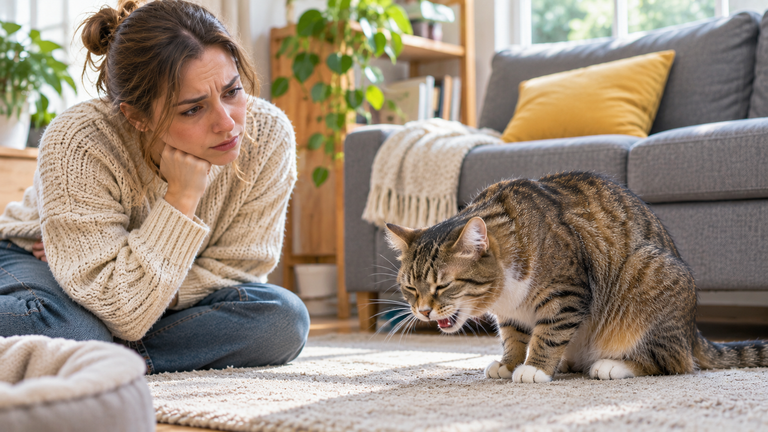
Cat coughing can be worrying, particularly when your cat crouches low to the ground, stretches its neck and makes repeated hacking sounds. Many owners initially mistake these episodes for hairballs, but coughing can indicate asthma, respiratory infections or other conditions affecting the airways.
An occasional cough does not always mean your cat is seriously ill. However, repeated coughing, wheezing or changes in breathing should never be ignored. Some respiratory conditions can become life-threatening without appropriate treatment.
This guide explains the causes of cat coughing, how to distinguish coughing from hairballs, warning signs, veterinary treatment and possible UK costs. For more practical cat health and pet insurance advice, explore PetCoverHQ.
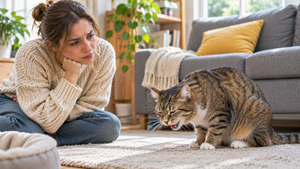
Why Is My Cat Coughing?
Coughing is a protective reflex that helps clear mucus, irritants and other material from the respiratory tract.
Unlike vomiting, which involves the digestive system, a true cough originates from the airways.
A coughing cat may lower its body, extend its neck and make repeated dry or harsh sounds. Some cats cough briefly and recover, while others experience prolonged episodes.
According to PDSA’s guide to feline asthma, coughing and wheezing are common signs of airway inflammation, although other conditions must be considered before diagnosing asthma. PDSA
What Does a Cat Cough Sound Like?
Cat coughing may sound like:
- Repeated dry hacking.
- A short, harsh expulsion of air.
- Wheezing alongside coughing.
- Gagging or retching at the end of an episode.
- A persistent cough without producing a hairball.
The sound alone cannot identify the cause.
If possible, record a short video to show your vet. This can be particularly helpful when your cat behaves normally during the appointment.
Cat Coughing or Hairball: How Can You Tell?
One of the most common mistakes is assuming every hacking episode means a cat is trying to bring up a hairball.
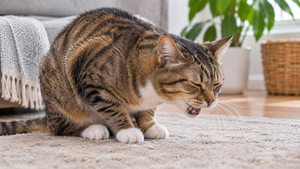
Cats with respiratory problems may adopt a posture similar to a cat preparing to vomit.

The VCA veterinary guide to coughing in cats explains that coughing is frequently mistaken for hairball-related retching. VCA Animal Hospitals
| Observation | Coughing | Hairball or vomiting |
|---|---|---|
| Body position | Often crouched with neck extended | May crouch with abdominal movements |
| Sound | Repeated hacking or forced air | Retching and gagging |
| Abdominal contractions | May be less obvious | Often more pronounced |
| Material produced | Usually none, sometimes mucus | May produce food, fluid or fur |
| Repeated episodes without hairballs | Suggests a possible respiratory problem | Does not confirm a hairball |
These differences are only clues. Some cats cough and then vomit, making the distinction more difficult.
Cat Coughing but No Hairball
If your cat repeatedly hacks without producing a hairball, arrange a veterinary examination.
Potential causes include asthma, bronchitis, infections and lung parasites.
Do not repeatedly give hairball remedies without confirming that hairballs are responsible.
Common Causes of Cat Coughing
Cat coughing has several possible causes, ranging from airway irritation to serious respiratory disease.
1. Feline Asthma
Feline asthma is a chronic inflammatory condition affecting the airways.
Inflammation, mucus production and narrowing of the airways can make breathing more difficult.
Common signs include coughing, wheezing, increased breathing effort and occasional breathing emergencies.
Asthma symptoms may come and go, which means a cat can appear completely normal between episodes.
The Cats Protection guide to feline asthma explains that many affected cats can live active lives with appropriate treatment and ongoing management. Cats Protection
2. Respiratory Infections
Certain respiratory infections can cause coughing, sneezing, nasal discharge and reduced appetite.
Some infections mainly affect the upper respiratory tract, while others involve the lungs or lower airways.
A cat with pneumonia may also develop fever, lethargy or difficulty breathing.
Veterinary assessment is important because treatment depends on the organism involved and the severity of illness.
3. Chronic Bronchitis
Chronic bronchitis causes ongoing inflammation of the lower airways.
It may produce repeated coughing episodes that resemble asthma.
However, the underlying airway changes and treatment requirements can differ.
Your vet may recommend imaging or additional investigations to distinguish these conditions.
4. Lungworm and Other Parasites
Certain parasites can affect the respiratory system and cause coughing.
Exposure risk varies according to your cat’s environment and hunting habits.
Outdoor cats that hunt prey may encounter particular parasites.
Your vet may recommend faecal testing or other investigations if a parasitic infection is suspected.
5. Environmental Irritants
Smoke, aerosols, perfumes, cleaning sprays and dusty litter may irritate sensitive airways.
These substances can aggravate an existing respiratory condition.
However, exposure to an irritant does not automatically mean your cat has asthma.
6. Heart and Lung Conditions
Some heart and lung diseases can cause changes in breathing.
Coughing is less typical of heart disease in cats than in dogs, but serious cardiac conditions can cause rapid or laboured breathing.
Other possibilities include lung masses, fluid accumulation or foreign material affecting the airways.
These problems require veterinary investigation rather than treatment based on symptoms alone.
When Is Cat Coughing an Emergency?
The most important warning signs involve breathing difficulty rather than coughing alone.
PDSA advises immediate veterinary attention for cats experiencing open-mouth breathing, severe breathing difficulty or collapse. PDSA
Emergency Warning Signs
Seek emergency veterinary care if your cat has:
- Open-mouth breathing or panting while resting.
- Severe difficulty breathing.
- Blue, grey or unusually pale gums.
- Collapse or extreme weakness.
- Rapidly worsening respiratory distress.
- Marked abdominal effort while breathing.
Keep your cat calm and minimise handling.
Contact the emergency veterinary practice while travelling, if possible, so the team can prepare.
Do not wait for symptoms to improve on their own.
Cat Coughing but Acting Normal
A cat may cough and then return to eating, grooming or playing normally.
This can occur with intermittent respiratory conditions, including asthma.
Normal behaviour between episodes does not rule out illness.
Arrange a veterinary appointment if coughing is recurring, even when your cat otherwise appears comfortable.
What Should You Do If Your Cat Is Coughing?
For a cat that is breathing comfortably, the following steps can help you prepare for veterinary advice.
Step 1: Observe the Episode
Record how long the coughing lasts and whether your cat produces any material.
Notice whether the cough is dry, wheezy or accompanied by retching.
Avoid disturbing your cat during the episode.
Step 2: Record a Video
A short video can help your vet distinguish coughing from vomiting or other unusual movements.
Only record when doing so is safe.
If your cat is struggling to breathe, seek emergency treatment instead of spending time filming.
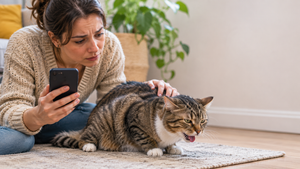
Step 3: Reduce Airborne Irritants
Avoid cigarette smoke, strong fragrances, incense and aerosol sprays.
Consider using an unscented, low-dust litter.
Keep rooms ventilated without exposing your cat to extreme temperatures.
Step 4: Avoid Human Cough Medicines
Never give human cough suppressants, decongestants or inhalers without veterinary instruction.
Some medications contain ingredients that are dangerous for cats.
Step 5: Contact Your Vet
Explain how frequently your cat coughs, whether breathing has changed and whether additional symptoms are present.
If your cat develops breathing difficulty, seek emergency care immediately.
How Do Vets Diagnose Cat Coughing?
Your vet will usually begin with a medical history and physical examination.
They may listen to the chest and assess breathing rate, effort and overall condition.
Depending on the findings, further tests may include:
| Investigation | Purpose |
|---|---|
| Physical examination | Assess respiratory function and general health |
| Chest X-rays | Examine lungs and airways |
| Blood tests | Investigate infection or other illness |
| Faecal testing | Check for selected respiratory parasites |
| Airway sampling | Examine cells or organisms from the airways |
| Heart assessment | Investigate suspected cardiac disease |
| Specialist imaging | Assess complex respiratory conditions |
Not every cat requires all these investigations.
A cat in respiratory distress may need stabilisation and oxygen before diagnostic testing.
Can Asthma Be Diagnosed With One Test?
No single test definitively confirms every case of feline asthma.
Veterinarians combine symptoms, examination findings, imaging and other investigations while excluding alternative causes.
The Cornell Feline Health Center’s asthma guide explains why diagnosis often involves ruling out other respiratory diseases. vet.cornell.edu
How Is Cat Coughing Treated?
Treatment depends on the underlying diagnosis.
Asthma Medication
Cats with asthma may receive corticosteroids to reduce airway inflammation.
Some also need bronchodilator medication to help open narrowed airways.
Medication may be delivered through an inhaler with a cat-specific spacer and mask.
Treatment for Infections
If an infection is diagnosed, your vet will recommend appropriate treatment.
Antibiotics are not necessary for every respiratory illness.
Parasite Treatment
When lungworms or other parasites are identified, a vet may prescribe suitable antiparasitic medication.
Oxygen and Emergency Care
Cats experiencing severe breathing difficulties may require oxygen, medication and hospital monitoring.
These cases should not be managed at home.
Can Cats Use Inhalers?
Yes. Some cats with asthma use prescribed inhaled medication.
A cat-specific spacer and face mask help deliver medication into the airways.
How to Introduce an Inhaler
For cats that are medically stable, gradual training may improve acceptance.
- Allow your cat to inspect the spacer.
- Reward calm behaviour with a treat.
- Introduce the mask near the face without forcing contact.
- Gradually increase the time the mask rests gently against the face.
- Follow your vet’s instructions when administering medication.
Training should be positive and unhurried.
Never delay prescribed treatment during an asthma attack simply because your cat has not completed inhaler training.
How Much Does Cat Coughing Treatment Cost in the UK?
Costs vary according to the diagnosis, investigations and whether emergency treatment is required.
| Possible expense | Why it may be needed |
|---|---|
| Veterinary consultation | Initial respiratory assessment |
| Chest X-rays | Investigating lung and airway changes |
| Blood tests | Assessing infection or other illness |
| Parasite testing | Investigating suspected lungworm |
| Prescription medication | Treating asthma or another condition |
| Inhaler and spacer | Long-term respiratory management |
| Emergency oxygen therapy | Stabilising severe breathing difficulties |
| Hospitalisation | Monitoring and intensive treatment |
Chronic respiratory conditions may require repeat consultations and long-term prescriptions.
Ask your vet for an itemised estimate that separates initial investigations from ongoing treatment costs.
Does Pet Insurance Cover Cat Asthma?
Some UK pet insurance policies may cover eligible investigations and treatment for feline asthma.
However, coverage depends on policy terms, including:
- Pre-existing condition exclusions.
- Waiting periods.
- Annual veterinary fee limits.
- Excesses and co-payments.
- Prescription medication benefits.
- Chronic condition coverage.
- Renewal restrictions.
For example, a cat with documented coughing before a new policy begins may have related respiratory claims excluded.
For more information, read PetCoverHQ’s guide to what pet insurance does not cover.
How to Reduce Coughing Triggers at Home
Environmental changes may help cats with sensitive airways, particularly those diagnosed with asthma.
Keep Your Home Smoke-Free
Avoid smoking or vaping around your cat.
Second-hand smoke can irritate the respiratory system.
Choose Low-Dust Litter
Some litter products release considerable dust when poured or disturbed.
A low-dust, unscented alternative may be more suitable for cats with respiratory sensitivity.
Introduce litter changes gradually when possible.
Avoid Strong Fragrances
Reduce exposure to aerosol sprays, scented candles, incense and strong cleaning products.
Maintain a Healthy Weight
Excess weight can make breathing more difficult.
Ask your vet about an appropriate feeding plan if your cat is overweight.
Follow Prescribed Treatment
If your cat has asthma, administer medication as instructed.
Do not stop treatment simply because coughing has improved.
A 7-Day Cat Coughing Monitoring Diary

Recording symptoms can help your vet identify patterns and evaluate treatment.
| Day | Coughing episodes | Breathing at rest | Possible trigger |
|---|---|---|---|
| Monday | 1 | Comfortable | Litter tray cleaning |
| Tuesday | 0 | Comfortable | None noticed |
| Wednesday | 2 | Comfortable between episodes | Aerosol spray nearby |
| Thursday | 1 | Comfortable | No obvious trigger |
| Friday | 0 | Comfortable | None noticed |
| Saturday | 1 | Comfortable | Dusting |
| Sunday | 0 | Comfortable | None noticed |
Illustrative example only. These observations do not diagnose asthma or establish a cause.
If breathing becomes difficult, seek veterinary care immediately rather than waiting to complete the diary.
Frequently Asked Questions
Why is my cat coughing but not bringing up a hairball?
Repeated coughing without a hairball may indicate asthma, bronchitis, infection or another respiratory problem. Arrange a veterinary examination.
Can cat coughing go away on its own?
A brief cough may stop, but recurring coughing should be assessed because some underlying conditions require ongoing treatment.
Is cat coughing at night a sign of asthma?
Asthma is one possibility, but coughing at night does not establish a diagnosis. Other respiratory conditions can produce similar symptoms.
Can indoor cats develop asthma?
Yes. Indoor cats may be exposed to dust, smoke, fragrances and other airborne irritants.
Can a cat have asthma without wheezing?
Yes. Some cats mainly experience coughing, while others show changes in breathing without obvious wheezing.
Can stress make cat coughing worse?
Stress may aggravate breathing difficulties in cats with respiratory disease, but it should not be assumed to be the underlying cause of repeated coughing.
Is feline asthma curable?
Feline asthma is generally managed rather than cured. Many affected cats can maintain a good quality of life with appropriate medication and monitoring.
Final Thoughts
Cat coughing should not automatically be dismissed as a hairball problem. Repeated hacking, wheezing or changes in breathing may indicate asthma, infection or another respiratory condition.
Recognising warning signs, recording symptoms and arranging timely veterinary assessment can help protect your cat’s health.
If your cat is struggling to breathe, seek emergency care immediately.
For more independent UK pet health information, veterinary cost guidance and pet insurance resources, visit PetCoverHQ.