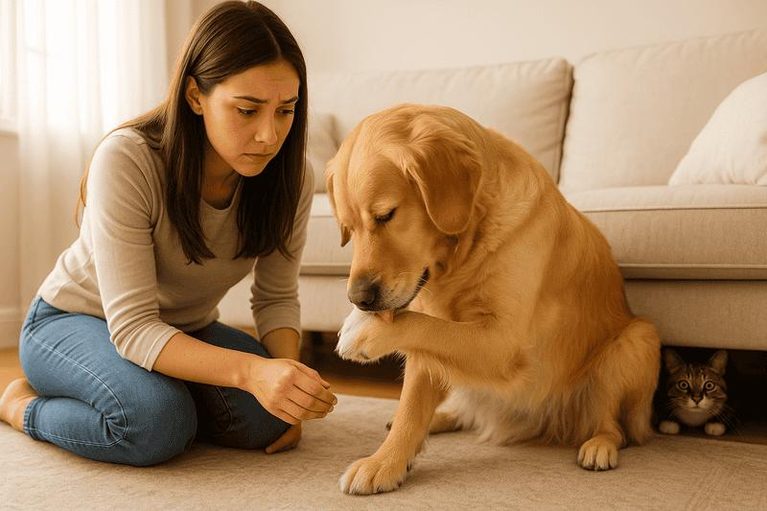
Dog limping can appear suddenly after a walk, during play or when your pet gets up from resting. Sometimes the cause is a small paw injury. In other cases, limping may indicate a damaged ligament, painful joint or broken bone.
A dog may continue eating, playing or wagging its tail despite being uncomfortable. That is why changes in movement should never be dismissed simply because your pet seems happy.
This guide explains the common causes of dog limping, how to check for visible injuries, when veterinary care is urgent and what treatment may involve. For more practical UK pet health and veterinary cost advice, explore PetCoverHQ.

Why Is My Dog Limping?
A limp occurs when a dog changes the way it walks to protect a painful or uncomfortable part of its body.
Some dogs briefly lift one paw. Others take shorter steps, shift their weight or appear stiff when standing up.
The underlying problem may involve a paw, muscle, tendon, ligament, joint, bone or even the spine.
1. Paw Injuries and Foreign Objects
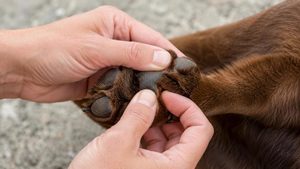
A cut paw pad, broken claw or small object lodged between the toes can cause sudden limping.
Common problems include:
- Thorns or grass seeds.
- Small pieces of glass.
- Cuts and abrasions.
- Torn or damaged claws.
- Swelling between the toes.
- Irritation from hot or rough surfaces.
A dog limping after a walk may have stepped on something sharp, particularly after running through long grass or woodland.
Check the paw gently if your dog allows it, but do not pull out deeply embedded objects.
2. Muscle Strains and Sprains
Dogs can strain muscles or injure soft tissues while running, jumping or turning quickly.
Symptoms may include stiffness, tenderness, swelling and reluctance to use the affected leg.
A mild strain can resemble a more serious ligament injury, so the appearance of the limp alone cannot confirm the diagnosis.
3. Arthritis and Joint Problems
Arthritis is a common cause of persistent stiffness and limping, particularly in older dogs.
You might notice your dog:
- Moving slowly after sleeping.
- Struggling to climb stairs.
- Avoiding jumping into the car.
- Becoming less enthusiastic about walks.
- Taking longer to stand up.
PDSA explains that arthritis can cause stiffness after rest, reduced activity and changes in behaviour. PDSA
Although arthritis cannot usually be cured, veterinary treatment, weight management and appropriate exercise can improve comfort.
4. Cruciate Ligament Injuries
Cruciate ligaments help stabilise the knee joint.
Damage can occur after an awkward twist, sudden turn or jump. Some dogs also develop ligament problems gradually as the tissue weakens.
Signs include sudden hind-leg limping, knee swelling and difficulty bearing weight.
According to PDSA’s cruciate ligament guidance, treatment may involve surgery or non-surgical management depending on the individual case.
5. Fractures and Dislocations
Broken bones and dislocated joints can cause severe pain and an inability to use the affected leg.
However, not every fracture produces an obvious deformity.
A dog limping after a road accident, significant fall or other trauma needs urgent veterinary assessment, even if the injury initially appears minor.
Dog Limping on Front Leg vs Back Leg
The affected leg can provide useful clues, although it cannot identify the cause on its own.
| Affected area | Possible causes | Other signs |
|---|---|---|
| Front paw | Cut, thorn, broken claw | Paw licking, sensitivity |
| Front leg | Muscle injury, elbow or shoulder condition | Stiffness, shorter steps |
| Back paw | Pad injury, foreign object | Lifting paw, licking |
| Back leg | Cruciate injury, hip problem, patellar luxation | Difficulty standing, altered gait |
| Multiple legs | Arthritis, systemic or neurological problems | General stiffness, unusual walking |
A dog limping on its front leg may have a paw injury, but shoulder and elbow problems are also possible.
Similarly, a dog limping on its back leg may have a knee injury, hip condition or another underlying problem.
Avoid diagnosing the injury based only on which leg is affected.
When Is Dog Limping an Emergency?
Not every limp requires an emergency appointment, but certain symptoms need immediate attention.
Warning signs requiring urgent veterinary care
- Unable to put weight on a leg.
- Severe pain or repeated crying.
- Visible deformity or suspected fracture.
- Large or deep wounds.
- Significant swelling after an injury.
- Weakness, collapse or difficulty standing.
- Limping after a road accident or major fall.
Blue Cross identifies severe pain, inability to use a limb and suspected fractures as potential emergencies. Blue Cross
What If My Dog Is Limping but Not Crying?
Dogs do not always vocalise when they are in pain.
Some continue walking, eating or playing despite an injury.
If your dog is limping but not crying, contact your vet for advice and restrict activity while waiting for guidance.
Can I Wait Until Tomorrow?
If the limp is mild, your dog is otherwise comfortable and there are no emergency signs, your vet may advise a routine appointment.
However, contact the practice when you first notice the limp rather than assuming it will resolve.
If the condition worsens, your dog stops bearing weight or other symptoms develop, seek urgent care.
What Should You Do If Your Dog Starts Limping?
The first priority is to prevent further injury while arranging appropriate veterinary advice.
Step 1: Stop Running and Jumping
Keep your dog calm and restrict exercise.
Avoid fetch, running, jumping on furniture and unnecessary stairs.
Short, controlled toilet breaks on a lead may be appropriate if your dog can walk comfortably and your vet agrees.
Do not force your dog to walk to test whether the limp improves.
Step 2: Check the Paw Gently
If your dog is comfortable being handled, look for visible cuts, broken claws or debris between the toes.
Stop if your dog becomes distressed or painful.
Do not manipulate the joints, stretch the leg or attempt to straighten an abnormal-looking limb.
Even a normally gentle dog may bite when injured.
Step 3: Record What Happened
Write down when the limp began and whether it followed a particular activity.
Useful details include:
- Which leg appears affected.
- Whether the limp began suddenly.
- Whether your dog can bear weight.
- Any swelling, wounds or behavioural changes.
- Whether the problem is worse after exercise or rest.
A short video of your dog walking naturally may help your vet assess an intermittent limp.
Do not encourage additional walking just to record footage.
Step 4: Contact Your Vet
Explain the symptoms and follow the practice’s advice about appointment urgency.
For suspected fractures or major injuries, avoid unnecessary movement and ask how to transport your dog safely.
Do not apply a homemade splint or tight bandage unless instructed by a veterinary professional.
Step 5: Never Give Human Painkillers
Do not give your dog ibuprofen, paracetamol, aspirin or other human pain medication without explicit veterinary direction.
Some medicines can cause serious harm, and the correct treatment depends on the diagnosis.
Blue Cross specifically warns against giving human painkillers to dogs. Blue Cross
Why Is My Dog Limping After Sleeping?
A dog limping after sleeping may have joint stiffness that becomes more noticeable after resting.
This pattern can occur with arthritis, especially in older dogs.
You might notice that your dog initially walks slowly but appears to loosen up after moving.
However, improvement with movement does not prove that the problem is arthritis.
Ligament injuries and other conditions can also cause intermittent discomfort.
If stiffness repeatedly occurs after rest, arrange a veterinary assessment rather than treating it as a normal part of ageing.
Why Is My Dog Limping After a Walk?
Dog limping after exercise may result from a paw injury, muscle strain or underlying joint condition aggravated by activity.
Consider the circumstances:
- Did the dog run on rough ground?
- Was the walk longer than usual?
- Did the dog slip or twist while playing?
- Was the weather unusually hot?
- Has the same limp appeared after previous walks?
These details can help your vet investigate the cause.
A dog limping after a walk should not be encouraged to continue exercising until the problem has been assessed.
How Do Vets Diagnose a Limping Dog?
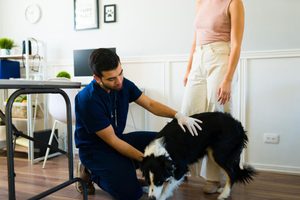
A veterinary examination usually begins with questions about your dog’s symptoms, activity and medical history.
The vet may observe how your dog stands and walks before examining the affected limb.
Depending on the findings, further investigations may include:
| Investigation | Purpose |
|---|---|
| Physical examination | Identify pain, swelling and movement abnormalities |
| Orthopaedic assessment | Examine bones, joints and ligaments |
| X-rays | Investigate fractures and certain joint conditions |
| Blood tests | Assess possible inflammatory or systemic illness |
| Advanced imaging | Investigate selected complex injuries |
| Specialist referral | Obtain further assessment or treatment |
Not every dog requires imaging.
A minor paw injury may be diagnosed during a physical examination, while suspected ligament damage or fractures can require additional tests.
How Is Dog Limping Treated?
Treatment depends on the underlying cause rather than the limp itself.
Rest and Activity Management
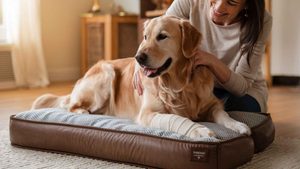
Some minor soft-tissue injuries can improve with appropriate rest and veterinary guidance.
The recommended rest period depends on the injury.
Returning to normal exercise too quickly can worsen some conditions.
Prescription Pain Relief
Your vet may prescribe pain relief or anti-inflammatory medication suitable for dogs.
Follow the prescribed dose and schedule.
Contact your vet if your dog develops vomiting, diarrhoea, appetite changes or other concerning symptoms while taking medication.
Physiotherapy and Rehabilitation
Dogs recovering from certain injuries or managing chronic joint disease may benefit from a structured rehabilitation programme.
This can include controlled exercise, physiotherapy or hydrotherapy under professional guidance.
Surgery
Fractures, some cruciate ligament injuries and other significant orthopaedic conditions may require surgery.
Your vet will explain the available options, likely recovery period and potential complications.
Not every cruciate ligament injury requires surgery, and the most appropriate approach depends on the dog and the condition.
How Much Does Dog Limping Treatment Cost in the UK?
The cost of treating a limping dog varies considerably.
A straightforward examination for a minor paw injury may cost far less than diagnosing and treating a serious orthopaedic condition.
Potential expenses include:
| Expense | When it may apply |
|---|---|
| Consultation | Initial assessment |
| X-rays | Suspected fracture or joint disease |
| Medication | Pain relief or treatment of the underlying condition |
| Surgery | Certain fractures or ligament injuries |
| Rehabilitation | Recovery or long-term mobility management |
| Follow-up visits | Monitoring healing and treatment response |
Veterinary practices set their own fees, and emergency or specialist treatment may cost more than routine care.
For this reason, a single UK-wide price would be misleading.
Ask your vet for a written estimate that separates consultation, diagnostics, medication, procedures and follow-up care.
Does Pet Insurance Cover Dog Limping?
Some pet insurance policies may cover eligible veterinary treatment when limping results from an accident or illness.
However, the outcome depends on the policy.
Important considerations include:
- Pre-existing conditions.
- Waiting periods.
- Annual or per-condition veterinary fee limits.
- Policy excess and co-payments.
- Whether rehabilitation or specialist treatment is included.
- Exclusions for particular conditions.
For example, if a dog developed persistent lameness before a new insurance policy started, the insurer may exclude related investigations or treatment.
A dog with an existing arthritis diagnosis may also face restrictions when switching providers.
Read the full policy wording before assuming an orthopaedic condition will be covered.
Do not delay urgent treatment while waiting for a claim decision.
How Can You Reduce the Risk of Limping in Dogs?
Not every injury can be prevented, but sensible daily care can reduce some risks.
Maintain a Healthy Weight
Excess body weight places additional stress on joints.
Ask your vet about an appropriate weight and feeding plan, particularly if your dog has arthritis or a history of ligament problems.
Build Exercise Gradually
Increase activity gradually rather than introducing sudden long walks or intense exercise.
Choose activities suited to your dog’s age, fitness and health.
Check Paws After Walks
Look for cuts, debris, damaged claws and irritation after walking through rough terrain or long grass.
Early detection may prevent a small problem from becoming more uncomfortable.
Support Older Dogs
Non-slip flooring, comfortable bedding and ramps can make everyday movement easier for dogs with reduced mobility.
If your older dog begins moving differently, arrange a veterinary examination rather than assuming it is simply ageing.
Frequently Asked Questions
Can dog limping go away on its own?
Some minor injuries may improve with rest, but limping can also indicate a serious condition. Contact your vet for advice even if the symptoms seem mild.
Why is my dog limping but still running around?
Dogs may continue playing despite pain. Excitement can make discomfort less obvious, so normal enthusiasm does not rule out an injury.
Should I walk my dog if it is limping?
Avoid normal exercise until you have veterinary guidance. Depending on the condition, brief controlled toilet breaks may be appropriate, but do not force your dog to walk.
Why is my dog suddenly limping on its back leg?
Possible causes include paw injuries, muscle strains, kneecap problems and cruciate ligament damage. A veterinary examination is needed to identify the cause.
Is dog limping common in older dogs?
Limping and stiffness can become more common with age, particularly in dogs with arthritis. However, new mobility problems should still be investigated.
Can a dog have a broken leg and still walk?
Some dogs may retain limited ability to bear weight despite a fracture. Walking ability alone cannot rule out a broken bone.
Final Thoughts
Dog limping can have many causes, from a small paw injury to a painful joint condition or serious ligament damage.
The most important steps are to recognise changes early, avoid unnecessary exercise and seek veterinary advice.
Never assume that a dog is comfortable simply because it is not crying or continues playing.
For more practical guidance on dog health, veterinary costs and choosing suitable pet insurance in the UK, visit PetCoverHQ.