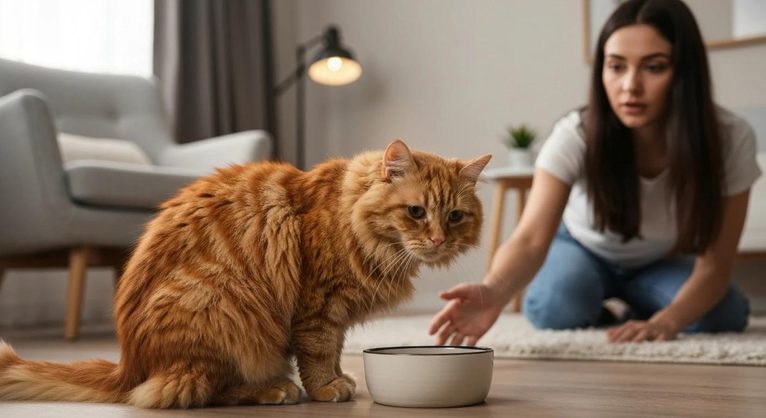
Cat vomiting can happen for several reasons, from swallowing hair during grooming to eating too quickly or developing an underlying illness. Although an occasional episode may not be serious, repeated vomiting should never be considered normal.
The most important clues are how often your cat vomits, what comes up and whether their appetite, behaviour or litter tray habits have changed.
This guide explains common causes, the difference between vomiting and regurgitation, warning signs that require veterinary care and what UK owners can safely do at home. For more practical pet health information and veterinary cost guidance, explore PetCoverHQ.

Why Is My Cat Vomiting?
Cat vomiting is a symptom rather than a disease. It can occur when the stomach becomes irritated, but problems affecting other organs can also trigger vomiting.
Some causes are relatively mild. Others require prompt diagnosis and treatment.
1. Hairballs
Cats swallow loose hair while grooming. Most passes through the digestive system, but some may collect in the stomach and form a hairball.
When a cat brings up a hairball, it often looks like a narrow, damp tube of compressed fur.
Long-haired cats and those that groom excessively may be more prone to hairballs.
However, frequent vomiting should not automatically be blamed on hairballs. Recurring episodes can indicate gastrointestinal disease or another health problem.
2. Eating Too Quickly
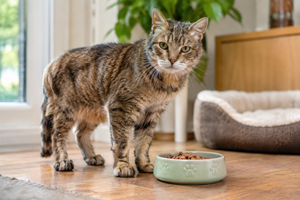
Some cats eat rapidly, particularly in households where pets compete for food.
Food may come back up shortly afterwards.
If the food returns without obvious retching or abdominal contractions, the episode may be regurgitation rather than true vomiting.
Smaller meals or a suitable slow-feeding bowl may help, but repeated episodes still require veterinary advice.
3. Sudden Dietary Changes
Switching cat food abruptly can upset digestion.
A new protein source, different fat content or unfamiliar ingredients may contribute to nausea and vomiting.
When changing food, introduce the new diet gradually unless your vet recommends otherwise.
If your cat develops persistent vomiting after a dietary change, return to your vet for guidance rather than repeatedly trying different foods.
4. Parasites and Infections
Intestinal parasites, including worms, can cause digestive problems.
Some infections also produce vomiting alongside diarrhoea, reduced appetite or lethargy.
Cats that hunt outdoors may have different exposure risks from indoor-only cats, although both can become unwell.
Ask your vet about appropriate parasite prevention based on your cat’s lifestyle.
5. Underlying Medical Conditions
Persistent cat vomiting may be associated with conditions such as:
- Chronic kidney disease.
- Hyperthyroidism.
- Pancreatitis.
- Inflammatory bowel disease.
- Liver disease.
- Diabetes.
- Gastrointestinal obstruction.
- Certain cancers.
These conditions cannot be diagnosed from vomiting alone.
Your vet will consider your cat’s age, medical history, physical examination and any other symptoms before recommending tests.
PDSA lists kidney disease, hyperthyroidism, pancreatitis and intestinal blockages among the possible causes of vomiting in cats. PDSA
Cat Vomiting vs Regurgitation: What’s the Difference?
Owners sometimes describe both conditions as their cat being sick, but they are not identical.
Vomiting involves active contractions of the stomach and abdominal muscles. Regurgitation is generally more passive, with food or fluid coming back up without the same retching movements.
| Feature | Vomiting | Regurgitation |
|---|---|---|
| Abdominal effort | Usually noticeable | Usually absent |
| Retching | Common | Usually absent |
| Timing | Can occur at different times | Often soon after eating |
| Material | Food, fluid, bile or hair | Often undigested food |
| Possible causes | Digestive or systemic illness | Eating quickly, oesophageal problems and others |
A cat vomiting after eating may actually be regurgitating.
If you are uncertain, a short video of the episode can help your vet understand what happened.
Do not deliberately encourage your cat to repeat the behaviour to record it.
Cats Protection explains that regurgitation and vomiting have different mechanisms and may require different investigations. Cats Protection
What Does the Colour of Cat Vomit Mean?
The appearance of vomit can provide useful information, but colour alone cannot determine the cause.
The examples below are general descriptions, not a diagnostic colour chart.
| Appearance | Possible explanation | Recommended action |
|---|---|---|
| Clear liquid | Water or stomach fluid | Monitor if isolated; contact vet if repeated |
| White foam | Stomach fluid mixed with mucus | Contact vet if recurring or accompanied by illness |
| Yellow liquid | May contain bile | Seek advice if repeated or associated with other symptoms |
| Undigested food | Vomiting or regurgitation | Record timing and discuss recurring episodes |
| Hairball | Swallowed fur | Monitor frequency; seek advice if frequent |
| Red blood or black coffee-ground material | Possible gastrointestinal bleeding | Urgent veterinary assessment |
Cat Vomiting White Foam
White foam often contains stomach fluid and mucus.
It may occur when the stomach is relatively empty, but it can also accompany digestive disease.
If your cat repeatedly produces white foam, becomes lethargic or stops eating, contact your vet.
Cat Vomiting Yellow Liquid
Yellow vomit may contain bile, a digestive fluid.
Sometimes it appears when a cat has an empty stomach. However, the colour does not establish that hunger is the cause.
A cat vomiting yellow liquid repeatedly should be assessed for possible underlying illness.
Cat Vomiting Undigested Food
Food returning shortly after a meal may suggest regurgitation, particularly if it happens without retching.
Possible contributing factors include eating rapidly or problems affecting the oesophagus.
If episodes continue, veterinary assessment is important even when your cat seems otherwise healthy.
Cat Vomiting Blood
Blood in vomit is a warning sign.
Fresh blood may appear red, while digested blood can look dark or resemble coffee grounds.
Do not attempt to judge the severity based on the amount or colour alone.
Contact a veterinary practice urgently.
When Is Cat Vomiting an Emergency?
The urgency depends on the frequency of vomiting, associated symptoms and your cat’s overall health.
Seek urgent veterinary attention if your cat:
- Vomits repeatedly or cannot keep water down.
- Has blood or black material in the vomit.
- Becomes very weak, lethargic or collapses.
- Has a painful or swollen abdomen.
- May have swallowed string, medication, chemicals or a toxic plant.
- Has vomiting with significant diarrhoea or signs of dehydration.
- Is a young kitten, elderly or already unwell and develops vomiting.
Cats can deteriorate quickly when fluid loss continues.
PDSA advises contacting a vet straight away if vomiting lasts longer than 24 hours, the cat cannot keep food or water down, or other concerning symptoms appear. PDSA
What If My Cat Is Vomiting but Acting Normal?
A single episode in an otherwise bright, comfortable adult cat may not require an emergency appointment.
However, monitor your cat closely.
Check whether they continue eating, drinking, urinating and behaving normally.
If vomiting happens again or you notice other symptoms, contact your vet.
Normal behaviour immediately after vomiting does not rule out an underlying condition.
How Often Is Too Often for a Cat to Vomit?
There is no universal number of episodes that is safe for every cat.
Vomiting more than once, repeated episodes over several days or a pattern that keeps returning should prompt veterinary advice.
Even a cat that vomits once every week may need investigation.
Frequent hairballs should not automatically be treated as harmless.
What Should You Do When Your Cat Vomits?
If your cat vomits once and appears otherwise well, the priority is to monitor them while avoiding unnecessary home treatments.
Step 1: Check Their Behaviour
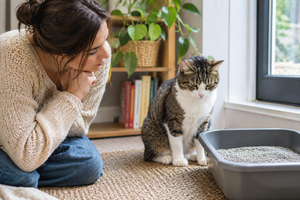
Look for changes in appetite, energy levels, breathing, thirst and litter tray habits.
If your cat appears distressed, weak or painful, contact your vet promptly.
Step 2: Keep Fresh Water Available
Vomiting can increase the risk of dehydration.
Provide fresh drinking water and make sure it remains accessible.
If your cat cannot keep water down, seek urgent veterinary advice.
For more information about fluid intake and dehydration, read our Cat Not Drinking Water guide.
Step 3: Avoid Withholding Food Without Advice
Do not automatically starve your cat for 12 or 24 hours.
Cats have specific nutritional needs, and prolonged food refusal can be dangerous, particularly in overweight cats.
PDSA advises continuing normal feeding and monitoring after an isolated vomiting episode in an otherwise well cat.
If your vet recommends a temporary feeding adjustment, follow their instructions.
Step 4: Do Not Give Human Medicines
Never give human anti-sickness medication, painkillers or antacids without veterinary direction.
Some medicines are toxic to cats, and others may conceal symptoms without treating the cause.
Do not attempt to make your cat vomit after suspected poisoning.
Contact your vet immediately if toxic exposure is possible.
Step 5: Record the Episode
Useful information includes:
- Time and frequency of vomiting.
- Appearance and approximate amount.
- Whether your cat retched.
- Recent meals or food changes.
- Possible access to plants, string or other objects.
- Changes in appetite, weight or urination.
Photographs can help, provided taking them does not delay necessary treatment.

Why Does My Cat Keep Vomiting Hairballs?
Hairballs can occur because cats naturally swallow fur while grooming.
However, repeated hairballs may indicate excessive grooming, skin irritation or a digestive problem.
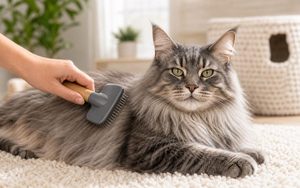
Long-haired cats may benefit from more frequent brushing.
If your cat repeatedly retches without producing a hairball, do not assume that a hairball is simply stuck.
Coughing, respiratory problems and gastrointestinal obstruction can sometimes be confused with hairball-related behaviour.
Seek veterinary advice for persistent retching or repeated vomiting.
How to Reduce Hairballs
Regular grooming can help remove loose fur before your cat swallows it.
A suitable diet and enrichment activities may also support normal grooming and digestive health.
Ask your vet before using hairball pastes, supplements or specialised diets, particularly if your cat has an existing medical condition.
How Do Vets Diagnose Cat Vomiting?
Veterinary investigation begins with your cat’s history and physical examination.
The vet may ask when vomiting started, whether your cat has lost weight and whether there have been changes in appetite or drinking.

Depending on the findings, further tests may be recommended.
| Investigation | What it helps assess |
|---|---|
| Physical examination | Hydration, abdominal discomfort and general health |
| Blood tests | Kidney, liver and other metabolic problems |
| Urine tests | Kidney function and related conditions |
| Faecal testing | Parasites or selected infections |
| X-rays | Certain foreign objects and abdominal abnormalities |
| Ultrasound | Internal organs and gastrointestinal structures |
Not every cat requires all these tests.
An isolated episode may need only observation, while chronic vomiting can require a more detailed investigation.
How Is Cat Vomiting Treated?
Treatment depends on the underlying cause.
A cat with a mild digestive upset may recover with monitoring and veterinary-recommended dietary management.
Other cases require medication, fluid therapy or more extensive treatment.
Anti-Sickness Medication
A vet may prescribe medication to control nausea and vomiting when appropriate.
The choice depends on the suspected cause and your cat’s overall condition.
Fluid Therapy
Cats that become dehydrated may require fluids administered by a veterinary professional.
More severe cases can need intravenous fluids and hospital monitoring.
Dietary Management
Some digestive conditions benefit from a prescribed diet or a gradual change in feeding routine.
For cats that regurgitate after eating quickly, smaller meals or slow feeders may be useful once serious causes have been excluded.
Surgery or Specialist Treatment
A swallowed foreign object or intestinal blockage may require surgery.
Chronic inflammatory or metabolic diseases may need longer-term treatment and monitoring.
The aim is to treat the underlying problem, not simply suppress vomiting.
How Much Does Cat Vomiting Treatment Cost in the UK?
The cost of investigating cat vomiting varies according to the severity and cause.
An uncomplicated consultation is usually less expensive than an emergency appointment involving blood tests, imaging or hospitalisation.
| Potential cost | Why it may be needed |
|---|---|
| Veterinary consultation | Initial examination and advice |
| Blood or urine tests | Investigating underlying disease |
| Imaging | Checking for blockages or internal abnormalities |
| Prescription medication | Treating nausea or an underlying condition |
| Fluid therapy | Managing dehydration |
| Hospitalisation or surgery | Treating severe illness or obstruction |
There is no reliable single price for all vomiting cases.
Ask your vet for an itemised estimate and whether follow-up appointments are likely to be needed.
Does Pet Insurance Cover Cat Vomiting?
Some UK pet insurance policies may cover eligible veterinary costs when vomiting results from an insured illness or accident.
However, coverage depends on the policy wording.
Check the following:
- Pre-existing condition exclusions.
- Waiting periods.
- Annual veterinary fee limits.
- Fixed excesses and percentage co-payments.
- Diagnostic test coverage.
- Hospitalisation and surgery benefits.
For example, a cat with documented recurring vomiting before the start of a new policy may face exclusions for related investigations.
Read our guide to pet insurance claim rejections to understand common reasons claims are declined and how to challenge a decision.
Do not delay urgent veterinary care while checking whether an insurer will pay.
How Can You Reduce the Risk of Vomiting in Cats?
Not every episode is preventable, but good daily care can reduce some avoidable triggers.
Introduce New Food Gradually
Change diets over several days or longer, depending on veterinary advice.
Avoid switching repeatedly between foods when your cat has ongoing digestive symptoms.
Brush Your Cat Regularly
Grooming removes loose hair and may reduce the amount swallowed.
This is particularly useful for long-haired cats.
Store Dangerous Objects Safely
Keep string, ribbon, sewing materials, medicines and household chemicals out of reach.
Some plants, especially lilies, are extremely dangerous to cats.
If your cat may have swallowed a dangerous object or substance, contact your vet immediately.
Monitor Eating Habits
If your cat eats rapidly, consider smaller portions or a suitable slow feeder.
Make sure cats in multi-pet households can eat without competition.
Track Recurring Symptoms
Keep a simple record of vomiting episodes, food intake and weight.
Patterns can help your vet investigate a chronic problem.
Frequently Asked Questions
Is cat vomiting once a week normal?
No. Regular weekly vomiting should not automatically be considered normal, even if your cat seems well between episodes. Arrange veterinary advice to investigate the pattern.
Why is my cat vomiting white foam?
White foam can contain stomach fluid and mucus. It may occur with an empty stomach but can also accompany illness. Repeated episodes require veterinary advice.
Why is my cat vomiting after eating?
Your cat may be regurgitating food after eating quickly, or vomiting because of digestive irritation or another condition. Observe whether retching occurs and contact your vet if it continues.
Can cat vomiting be caused by stress?
Stress can contribute to changes in appetite and digestive behaviour, but vomiting should not automatically be attributed to anxiety. Persistent symptoms require investigation.
Should I feed my cat after vomiting?
If your cat has vomited once and otherwise seems well, PDSA advises continuing normal feeding while monitoring closely. Ask your vet for specific advice if vomiting recurs or your cat appears unwell.
When should I take my cat to the vet for vomiting?
Contact your vet if vomiting repeats or your cat develops other symptoms. Seek urgent help for blood in vomit, inability to keep water down, severe weakness, suspected poisoning or a possible intestinal blockage.
Final Thoughts
Cat vomiting can result from something relatively minor, such as a temporary stomach upset, but it may also indicate an underlying medical condition.
Pay attention to frequency, appetite, behaviour and other symptoms rather than relying on the appearance of vomit alone.
If your cat continues vomiting, becomes unwell or shows emergency warning signs, seek veterinary advice promptly.
For more UK-focused cat care guidance, veterinary cost information and independent insurance resources, visit PetCoverHQ.