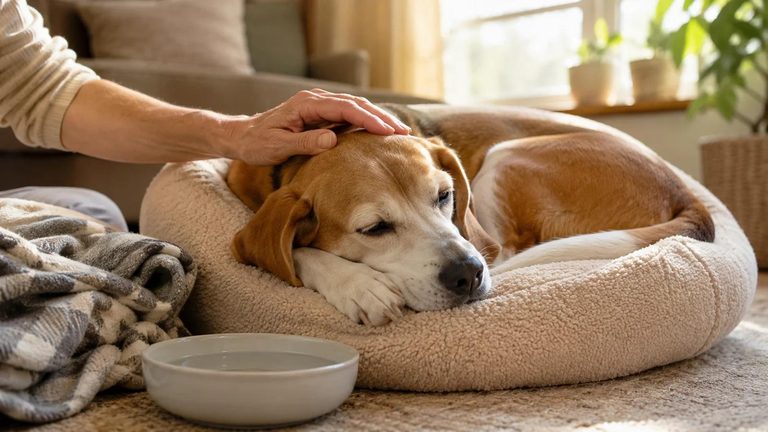
Dog diarrhoea is a common problem that can appear suddenly, sometimes after a change in food, eating something unsuitable or developing an infection. While a mild episode may settle, persistent or severe diarrhoea can cause dehydration and may indicate a more serious illness.
The most useful clues are how often your dog passes loose stools, whether blood is present and whether their appetite, energy levels or drinking habits have changed.
This guide explains the causes of dog diarrhoea, safe home care, warning signs and what to expect from veterinary treatment in the UK. For more practical pet health and veterinary cost information, explore PetCoverHQ.
What Causes Dog Diarrhoea?
Diarrhoea occurs when stool contains more water than normal, often because the digestive system is irritated or unable to absorb fluid properly.
Some causes are temporary, while others require veterinary investigation.
1. Sudden Changes in Diet
Switching dog food too quickly can upset the digestive system.
A new food may contain different ingredients, fat levels or fibre content that your dog is not accustomed to.
When changing diets, introduce the new food gradually, usually over several days, unless your vet recommends a different approach.
If diarrhoea develops repeatedly after a particular food, discuss the pattern with your vet.
2. Eating Something Unsuitable
Dogs sometimes eat food scraps, rubbish or unfamiliar objects during walks.
Rich, fatty or spoiled food can cause digestive upset.
However, some substances are dangerous rather than merely irritating.
Chocolate, grapes, raisins, xylitol and certain human medications can cause serious poisoning.
If your dog may have eaten something toxic, contact your vet immediately rather than waiting for diarrhoea or other symptoms to develop.
3. Parasites and Infections
Intestinal parasites, including roundworms and Giardia, can contribute to loose stools.
Bacterial and viral infections may also cause gastrointestinal symptoms.
Puppies and dogs with weakened immune systems can be particularly vulnerable to complications.
Some infections, including parvovirus, can be life-threatening.
4. Stress and Anxiety
Travel, boarding kennels, moving house or changes in routine may contribute to digestive upset in some dogs.
Stress-related diarrhoea is possible, but it should not be assumed without considering other causes.
Repeated episodes, blood in the stool or changes in behaviour warrant veterinary advice.
5. Underlying Medical Conditions
Persistent dog diarrhoea can sometimes be associated with:
- Chronic enteropathy or inflammatory intestinal disease.
- Pancreatitis.
- Food-responsive gastrointestinal disease.
- Liver or kidney problems.
- Certain endocrine disorders.
- Intestinal tumours.
- Adverse medication effects.
These conditions cannot be diagnosed from stool appearance alone.
A veterinary examination may be necessary to identify the underlying cause.
What Does Your Dog’s Diarrhoea Look Like?
The appearance of stool can help you describe the problem to your vet, but colour and consistency are not reliable diagnoses on their own.
| Stool appearance | Possible significance | Recommended action |
|---|---|---|
| Soft, brown stool | Mild digestive upset or another cause | Monitor if isolated and dog is otherwise well |
| Very watery stool | Greater fluid loss | Contact vet promptly if repeated |
| Mucus-covered stool | Possible large-bowel irritation | Seek advice if recurring or accompanied by other symptoms |
| Bright red blood | Bleeding from the lower digestive tract or another source | Contact vet promptly |
| Black, tar-like stool | Possible digested blood | Urgent veterinary assessment |
| Pale or unusually coloured stool | Diet-related changes or possible illness | Contact vet if persistent or associated with symptoms |
Dog Diarrhoea With Blood
Blood in diarrhoea should not be ignored.
Bright red blood may appear as streaks or spots, while black, tar-like stool can indicate bleeding higher in the digestive tract.
Severe bloody diarrhoea can occur with acute haemorrhagic diarrhoea syndrome (AHDS), which may cause rapid fluid loss.
If your dog develops bloody diarrhoea, contact your vet promptly. Large amounts of blood, repeated watery stools, weakness or collapse require emergency care.
Dog Diarrhoea With Mucus
Mucus may appear when the large intestine becomes irritated.
You might also notice frequent attempts to pass stool or small amounts being produced.
Although some cases are relatively mild, recurring mucus or associated blood should be assessed by a vet.
Yellow or Green Diarrhoea
Stool colour can change because of diet, intestinal transit time or other digestive factors.
Yellow or green stool does not automatically indicate a specific disease.
If the colour change persists, or your dog has additional symptoms, seek veterinary advice.
When Is Dog Diarrhoea an Emergency?
Some dogs experience a brief episode and remain bright, active and comfortable.
Others can become seriously unwell, especially when diarrhoea is frequent or accompanied by vomiting.
Seek urgent veterinary attention if your dog has:
- Large amounts of blood or black, tar-like stools.
- Repeated watery diarrhoea with weakness.
- Persistent vomiting or inability to keep water down.
- A painful or swollen abdomen.
- Collapse, severe lethargy or difficulty standing.
- Suspected poisoning or ingestion of a foreign object.
- Signs of significant dehydration.
Puppies, elderly dogs and dogs with existing medical conditions may need veterinary attention sooner.
My Dog Has Diarrhoea but Is Acting Normal
A single loose stool in an otherwise healthy adult dog may not indicate an emergency.
However, continue monitoring their appetite, drinking, behaviour and frequency of bowel movements.
If the diarrhoea continues, becomes more frequent or is accompanied by other symptoms, contact your vet.
Normal behaviour does not completely rule out illness.
How Long Is Too Long?
If your dog’s diarrhoea lasts more than 24 hours, contact your vet for advice, even if your dog appears otherwise well.
Do not wait that long if your dog is very young, elderly, unwell or showing warning signs.
Persistent dog diarrhoea can lead to fluid loss and may require diagnostic testing.
What Should You Do If Your Dog Has Diarrhoea?
For a healthy adult dog with a single mild episode and no concerning symptoms, careful monitoring may be appropriate while seeking veterinary advice.
The following steps can help you avoid common mistakes.
Step 1: Keep Fresh Water Available
Diarrhoea causes fluid loss, so access to drinking water is important.
Offer clean water and observe whether your dog drinks normally.
If your dog cannot keep water down, becomes weak or shows signs of dehydration, seek veterinary care promptly.
Do not force water into your dog’s mouth.
Step 2: Avoid Rich Foods and Treats
Do not offer fatty leftovers, unfamiliar treats or large meals.
These may worsen digestive irritation.
If your dog is otherwise well and willing to eat, small portions of an appropriate easily digestible diet may be suitable.
Ask your vet whether a commercial gastrointestinal diet or another feeding approach is appropriate.
Step 3: Do Not Automatically Starve Your Dog
Older advice sometimes recommended withholding food for an extended period.
However, fasting is not appropriate for every dog, particularly puppies, small breeds or dogs with certain medical conditions.
Do not withhold food for prolonged periods without veterinary guidance.
Step 4: Avoid Human Anti-Diarrhoea Medicines
Never give loperamide, bismuth-containing products or other human medication without veterinary direction.
Some medicines are unsuitable for dogs, and certain breeds may be particularly sensitive to specific drugs.
Medication can also mask symptoms or complicate the diagnosis.
Step 5: Monitor and Record Symptoms
Keep a simple record of:
- When diarrhoea started.
- How often your dog passes stool.
- Stool colour and consistency.
- Whether blood or mucus is present.
- Recent diet changes.
- Vomiting, appetite changes or unusual behaviour.
Photographs or a fresh stool sample may help your vet.
Ask your veterinary practice how to collect and store a sample if one is required.
What Should You Feed a Dog With Diarrhoea?
Food choices depend on your dog’s age, medical history and the severity of symptoms.
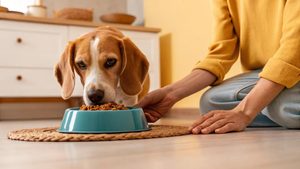
For mild digestive upset in an otherwise healthy adult dog, your vet may recommend a short period of feeding small, frequent meals of an easily digestible diet.
A complete commercial gastrointestinal diet is often preferable when longer-term feeding is required.
Is Chicken and Rice Safe?
Plain boiled chicken and white rice are sometimes used temporarily for mild digestive upset.
However, this combination is not nutritionally complete and should not be relied on as a long-term diet.
It may also be unsuitable for dogs with food allergies or certain medical conditions.
Ask your vet before using it, particularly if your dog has persistent symptoms.
Should You Give Probiotics?
Some veterinary probiotics may be recommended for particular digestive conditions.
However, evidence and product quality vary, and probiotics do not replace treatment for infections, parasites or serious disease.
Choose a product recommended by your vet rather than assuming human supplements are suitable.
When Should Normal Food Be Reintroduced?
If your vet recommends a temporary gastrointestinal diet and your dog’s symptoms improve, the usual food can generally be reintroduced gradually.
The timing depends on the cause and the individual dog.
If loose stools return, contact your vet rather than repeatedly changing diets.
Puppy Diarrhoea: Why Extra Caution Matters
Puppies can become dehydrated more quickly than healthy adult dogs.
They may also be vulnerable to infectious diseases, particularly before completing their vaccination course.
Parvovirus is one serious concern in puppies with vomiting, diarrhoea, lethargy or reduced appetite.
Do not assume that a puppy’s diarrhoea is simply caused by a new food.
Contact your vet promptly if your puppy develops diarrhoea, especially when symptoms are repeated or accompanied by vomiting or reduced energy.
What If Your Puppy Has Not Been Fully Vaccinated?
Tell your vet about the puppy’s vaccination status before attending the practice.
The team may arrange a separate entrance or examination area if an infectious disease is suspected.
Keep the puppy away from other dogs until you receive veterinary advice.
How Do Vets Diagnose Dog Diarrhoea?
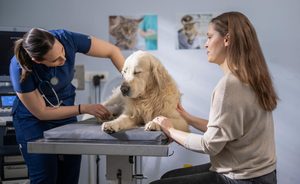
Your vet will usually begin with a medical history and physical examination.
They may ask about diet, recent walks, parasite prevention, medication and possible exposure to harmful substances.
Depending on the symptoms, investigations may include:
| Investigation | Purpose |
|---|---|
| Physical examination | Assess hydration, pain and general condition |
| Faecal testing | Investigate parasites and selected infections |
| Blood tests | Check organ function, inflammation or other abnormalities |
| Urine testing | Assess related health concerns |
| X-rays | Investigate certain foreign objects or obstructions |
| Ultrasound | Examine abdominal organs and intestinal structures |
Not every case requires all these tests.
A mild, short-lived episode may need little investigation, while persistent or severe diarrhoea can require a more detailed approach.
How Is Dog Diarrhoea Treated?
Treatment depends on the cause and severity.
A mild episode may improve with appropriate feeding and monitoring.
Other cases require medication, fluid therapy or hospital care.
Fluid Therapy
Dogs with significant dehydration may need fluids administered by a veterinary professional.
Severe cases may require intravenous fluids and monitoring.
Medication
A vet may prescribe treatment for a diagnosed parasite, infection or other underlying condition.
Antibiotics are not routinely necessary for every case of diarrhoea and may be inappropriate in uncomplicated cases.
Dietary Management
Some dogs benefit from a veterinary gastrointestinal diet or longer-term dietary management.
Dogs with chronic enteropathy may require carefully supervised food trials.
Hospitalisation
Severe illness, dehydration or suspected obstruction may require hospital treatment.
Surgery is sometimes necessary when a foreign object or another surgical problem is identified.
How Much Does Dog Diarrhoea Treatment Cost in the UK?
The cost depends on the cause, severity and investigations required.
A straightforward consultation may cost considerably less than emergency treatment involving imaging, fluid therapy or hospitalisation.
| Possible expense | Why it may be needed |
|---|---|
| Initial consultation | Examination and treatment advice |
| Faecal testing | Parasite or infection investigation |
| Blood tests | Assess dehydration or underlying illness |
| Prescription medication | Treat specific conditions |
| Fluid therapy | Correct dehydration |
| Hospitalisation | Manage severe symptoms |
| Imaging or surgery | Investigate or treat obstruction |
Prices vary between veterinary practices and regions.
For a broader explanation of veterinary expenses, see PetCoverHQ’s guide to average UK vet bills.
Does Pet Insurance Cover Dog Diarrhoea?
Some pet insurance policies may cover eligible veterinary treatment for diarrhoea caused by an insured illness or accident.
However, coverage depends on the policy terms.
Important considerations include:
- Pre-existing condition exclusions.
- Waiting periods.
- Annual veterinary fee limits.
- Policy excess and co-payments.
- Diagnostic test coverage.
- Whether the condition is considered recurring or chronic.
For example, a dog with documented digestive problems before a new policy starts may have related claims excluded.
Read our guide to what pet insurance does not cover before assuming treatment will be reimbursed.
Do not delay urgent veterinary care while checking your policy.
How Can You Prevent Diarrhoea in Dogs?
Not every episode can be prevented, but sensible daily habits may reduce some risks.
Change Food Gradually
Introduce new food over several days rather than switching abruptly.
Dogs with sensitive digestion may need a longer transition recommended by their vet.
Keep Rubbish and Toxic Foods Out of Reach
Store household waste securely and avoid leaving dangerous foods accessible.
Be particularly careful with chocolate, grapes, raisins, xylitol-containing products and human medication.
Maintain Appropriate Parasite Prevention
Ask your vet about worming and parasite control based on your dog’s lifestyle and risk factors.
Regular prevention may reduce certain causes of gastrointestinal illness.
Practise Good Hygiene
Clean food bowls, wash hands after handling faeces and dispose of dog waste responsibly.
Some organisms that cause diarrhoea in dogs can also affect people.
Keep Vaccinations Up to Date
Vaccination helps protect against certain serious infectious diseases, including canine parvovirus.
Discuss your dog’s vaccination schedule with your veterinary practice.
Frequently Asked Questions
Can dog diarrhoea go away on its own?
Some mild episodes resolve, but persistent or worsening diarrhoea needs veterinary assessment. Contact your vet if symptoms last more than 24 hours, or sooner if warning signs appear.
Why does my dog have diarrhoea but seem fine?
A mild dietary upset is one possibility, but normal behaviour does not rule out parasites or other illness. Monitor carefully and seek veterinary advice if symptoms continue.
Is dog diarrhoea with blood always an emergency?
Blood should prompt veterinary advice. Large amounts of blood, black stools or bloody diarrhoea with weakness, vomiting or collapse require urgent care.
Can stress cause diarrhoea in dogs?
Stress may contribute to digestive upset, but other causes should be considered, especially when symptoms recur.
Should I walk my dog if it has diarrhoea?
Keep activity gentle and allow short toilet breaks if your dog is comfortable. Avoid strenuous exercise and contact with other dogs when an infectious cause is possible.
What if my dog has diarrhoea and is vomiting?
Vomiting alongside diarrhoea increases concern about dehydration and illness. Contact your vet promptly, especially if symptoms repeat or your dog cannot keep water down.
Final Thoughts
Dog diarrhoea can result from a temporary digestive upset, but it may also be a warning sign of infection, parasites or an underlying medical condition.
Monitor the frequency and appearance of stools alongside your dog’s appetite, drinking habits and behaviour.
If symptoms persist, worsen or include blood, vomiting or weakness, seek veterinary advice promptly.
For more UK-focused dog health guides, veterinary cost information and independent pet insurance resources, visit PetCoverHQ.