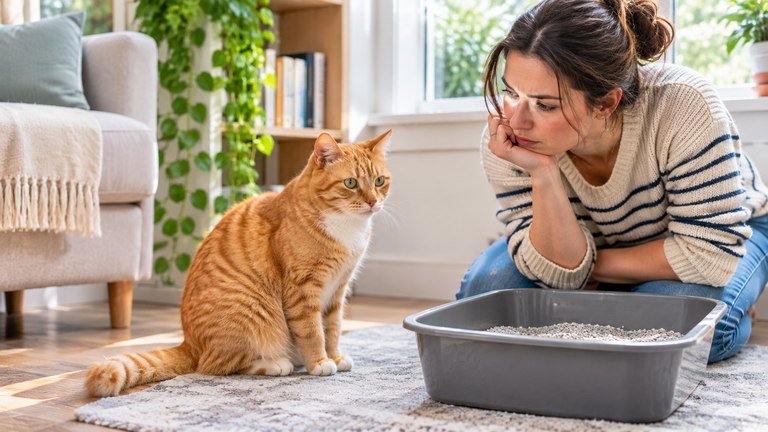
Diarrhoea in cats can appear suddenly, leaving owners wondering whether a change in food is responsible or something more serious is happening. Loose, watery stools may result from a temporary digestive upset, but persistent diarrhoea can also indicate parasites, infections or an underlying medical condition.
Some cats remain active and continue eating despite having diarrhoea. Others develop vomiting, abdominal discomfort, dehydration or weight loss. Understanding these differences can help you decide when home monitoring is reasonable and when veterinary treatment is necessary.
This guide explains the causes of diarrhoea in cats, warning signs, safe care, veterinary investigations and UK treatment costs. For more independent pet health information and insurance guidance, explore PetCoverHQ.
What Is Diarrhoea in Cats?
Diarrhoea occurs when stools contain more water than normal, making them soft, loose or watery. It may happen because the intestines absorb less water, release additional fluid or move contents through the digestive tract too quickly.
A healthy cat typically produces formed, dark-brown stools that can be removed easily from the litter tray.
Diarrhoea may be acute, meaning it develops suddenly, or chronic, meaning it continues or repeatedly returns over an extended period.
According to PDSA’s guide to diarrhoea in cats, mild cases sometimes resolve quickly, but ongoing symptoms can lead to dehydration and require veterinary care. PDSA
What Does Cat Diarrhoea Look Like?
The appearance can provide useful clues, although it cannot establish a diagnosis.
| Stool appearance | Possible significance | What to do |
|---|---|---|
| Soft, unformed stool | Mild digestive upset or another cause | Monitor if otherwise well |
| Watery diarrhoea | Increased fluid loss | Contact a vet if repeated or persistent |
| Stool containing mucus | Possible large-bowel inflammation | Arrange veterinary advice |
| Bright-red blood | Bleeding from the lower digestive tract or another source | Contact your vet |
| Black, tar-like stool | Possible digested blood | Seek urgent veterinary assessment |
| Greasy or unusually pale stool | Possible digestive or absorption problem | Arrange an examination |
Colour alone is not enough to determine the cause. Diet, medication and other factors can also affect stool appearance.
What Causes Diarrhoea in Cats?
There are many possible causes of diarrhoea in cats. Some involve temporary irritation, while others require medical treatment.
1. Sudden Changes in Diet
Changing your cat’s food too quickly may upset its digestive system.
For example, switching from one dry food to another overnight can sometimes cause loose stools.
When a dietary change is necessary, introducing the new food gradually over several days may help, unless your vet recommends a different approach.
2. Eating Unsuitable Food
Cats may develop digestive problems after eating spoiled food, rich leftovers or ingredients they cannot tolerate.
Many cats are lactose intolerant, so cow’s milk can cause gastrointestinal symptoms.
Avoid offering human foods as a remedy for diarrhoea.
3. Intestinal Parasites
Worms and microscopic parasites can cause diarrhoea, especially in kittens and cats living in multi-cat environments.
Examples include Giardia and Tritrichomonas foetus.
Some parasites require specific laboratory tests because they may not be identified during a routine examination.
4. Bacterial and Viral Infections
Certain bacterial and viral infections can affect the intestines.
Affected cats may also develop vomiting, fever, reduced appetite or lethargy.
Young kittens and unvaccinated cats may be particularly vulnerable to certain serious infections.
5. Food Intolerance and Allergies
Some cats react poorly to particular dietary ingredients.
Signs may include recurring diarrhoea, vomiting or other gastrointestinal symptoms.
A vet may recommend a carefully controlled elimination diet to investigate a suspected adverse food reaction.
Avoid repeatedly changing foods without a structured plan, as this can make the underlying problem harder to identify.
6. Inflammatory Bowel Disease
Inflammatory bowel disease, or IBD, involves chronic inflammation within the gastrointestinal tract.
Affected cats may experience intermittent diarrhoea, vomiting and weight loss.
Diagnosis may require blood tests, imaging and sometimes intestinal biopsies.
7. Other Medical Conditions
Diarrhoea can also occur alongside pancreatitis, hyperthyroidism, kidney disease, certain cancers and other conditions.
This is why repeated digestive symptoms should not automatically be attributed to food.
When Should You Worry About Cat Diarrhoea?
The urgency depends on your cat’s age, overall condition, stool appearance and other symptoms.
An otherwise healthy adult cat with one mild episode may be suitable for short-term monitoring.
However, contact your vet if the diarrhoea continues for more than 24 hours, becomes worse or is accompanied by other symptoms.
Warning Signs That Need Veterinary Attention
Contact your vet promptly if your cat:
- Has diarrhoea lasting longer than 24 hours.
- Develops vomiting alongside loose stools.
- Stops eating or drinking normally.
- Becomes unusually quiet or lethargic.
- Has blood or mucus in its stools.
- Shows signs of abdominal pain.
- Experiences recurring diarrhoea or weight loss.
Seek urgent veterinary assessment for severe weakness, collapse, marked dehydration or black, tar-like stools.
Kittens, elderly cats and cats with existing illnesses should receive veterinary advice earlier because they may deteriorate more quickly.
Cat Has Diarrhoea but Seems Fine
A cat may continue eating, playing and grooming despite having loose stools.
If there has been one mild episode and your cat is otherwise healthy, monitor its behaviour and provide access to fresh water.
However, normal behaviour does not rule out parasites, inflammation or other disease.
If diarrhoea recurs or fails to improve within 24 hours, contact your vet.
How to Help a Cat With Diarrhoea at Home
Home care is appropriate only for mild cases in cats that remain comfortable and otherwise well.
The goal is to support hydration, avoid further digestive irritation and monitor for deterioration.
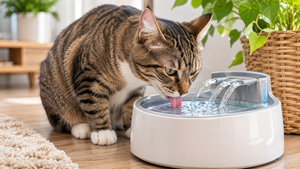
Keep Fresh Water Available
Diarrhoea causes fluid loss, so hydration is important.
Provide clean drinking water in accessible locations.
You may also offer your cat’s usual wet food if appropriate.
If your cat refuses water, becomes weak or develops repeated watery diarrhoea, contact your vet.
Feed Small, Appropriate Meals
Do not automatically withhold food for an entire day.
PDSA recommends small, frequent, easily digestible meals for selected mild cases and advises against starving cats. PDSA
Your vet may recommend a gastrointestinal diet or another suitable feeding plan.
Avoid fatty leftovers, milk and unfamiliar treats.
Avoid Human Medication
Never give your cat human anti-diarrhoeal medication without veterinary instruction.
Some products can be dangerous for cats, and inappropriate treatment may delay diagnosis.
Keep the Litter Tray Clean
Remove soiled litter promptly and wash the tray using a suitable pet-safe cleaning method.
This helps you monitor stool frequency and reduces environmental contamination.
Wash your hands after handling litter, particularly when infectious diarrhoea is suspected.
Record Changes
Make a note of the frequency, appearance and duration of diarrhoea.
Photographs or a fresh stool sample may be useful if your vet requests them.
Do not delay necessary veterinary treatment while collecting information.
Diarrhoea in Kittens: Why Extra Care Is Needed
Kittens can become dehydrated more quickly than healthy adult cats.
Diarrhoea in a young kitten may be associated with parasites, infections, dietary problems or other illnesses.
Even a short episode deserves attention when accompanied by poor appetite, weakness or vomiting.
Contact your vet if a kitten develops diarrhoea, rather than applying the same home-monitoring approach used for a healthy adult cat.
Keep the kitten warm and comfortable while following veterinary advice.
How Do Vets Diagnose Diarrhoea in Cats?
Veterinary assessment usually begins with questions about diet, symptoms, recent medication and exposure to other animals.
Your vet may examine the abdomen and assess hydration, weight and general health.
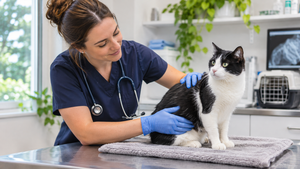
Further investigations depend on the severity and duration of symptoms.
| Investigation | What it helps identify |
|---|---|
| Physical examination | Dehydration, pain and general condition |
| Faecal testing | Worms and selected intestinal parasites |
| Blood tests | Inflammation, organ disease and metabolic problems |
| Urine testing | Selected systemic illnesses |
| Abdominal ultrasound | Intestinal and abdominal abnormalities |
| Dietary trial | Possible adverse food reactions |
| Intestinal biopsy | Selected chronic inflammatory or other diseases |
Not every cat needs every test.
A mild, isolated episode may require little investigation, while chronic diarrhoea often needs a more detailed diagnostic plan.
The VCA guide to feline gastroenteritis explains how veterinary teams use medical history, examination and appropriate testing to investigate digestive illness. VCA Animal Hospitals
How Is Diarrhoea in Cats Treated?
Treatment depends on the underlying cause rather than the appearance of the stool alone.
Fluid Therapy
Cats with significant dehydration may need fluids administered by a veterinary professional.
Severely affected cats may require hospitalisation.
Dietary Management
A vet may recommend a highly digestible diet or a specific therapeutic food.
If a food reaction is suspected, a controlled elimination diet may be needed.
Parasite Treatment
Confirmed or strongly suspected parasitic infections may require targeted medication.
Different parasites respond to different treatments, so routine worming products are not suitable for every infection.
Probiotics
Certain veterinary probiotics may help some cats with digestive disturbances.
However, evidence and effectiveness vary by product and condition.
Ask your vet which formulation, if any, is appropriate.
Antibiotics
Antibiotics are not routinely necessary for uncomplicated diarrhoea.
Inappropriate use can disrupt normal intestinal bacteria and may worsen digestive problems.
Your vet will determine whether a bacterial infection or another specific condition justifies antibiotic treatment.
How Much Does Cat Diarrhoea Treatment Cost in the UK?
Treatment costs depend on the underlying diagnosis, tests required and whether emergency care is needed.
| Potential expense | Why it may be needed |
|---|---|
| Veterinary consultation | Initial examination and advice |
| Faecal analysis | Identifying parasites or infections |
| Blood tests | Investigating underlying disease |
| Prescription diet | Supporting gastrointestinal management |
| Medication | Treating a diagnosed condition |
| Fluid therapy | Correcting dehydration |
| Ultrasound | Investigating persistent symptoms |
| Hospitalisation | Managing severe illness |
A straightforward consultation may be considerably less expensive than emergency treatment requiring diagnostic imaging and hospitalisation.
Ask your practice for an itemised estimate and clarify which tests are essential.
Does Pet Insurance Cover Cat Diarrhoea?
Some UK pet insurance policies may cover eligible investigations and treatment when diarrhoea results from an insured illness.
However, policy wording determines what is covered.
Check the following:
- Pre-existing condition exclusions.
- Waiting periods.
- Veterinary fee limits.
- Fixed excesses and percentage co-payments.
- Diagnostic test coverage.
- Chronic illness provisions.
- Prescription diet restrictions.
For example, repeated digestive symptoms documented before a new policy begins may affect future claims.
You can explore PetCoverHQ for further information about UK pet insurance exclusions and veterinary costs.
Do not delay urgent veterinary care while checking insurance eligibility.
How to Prevent Diarrhoea in Cats
Not every cause is preventable, but sensible daily care can reduce avoidable digestive problems.
Introduce New Foods Gradually
Avoid abrupt changes unless medically necessary.
Follow veterinary guidance when transitioning to a prescription diet.
Maintain Appropriate Parasite Prevention
Ask your vet about parasite control based on your cat’s age, lifestyle and exposure risks.
Outdoor hunting cats may have different needs from indoor-only cats.
Store Food Safely
Follow storage instructions and discard spoiled food.
Clean food bowls regularly and avoid leaving perishable wet food out for extended periods.
Keep Harmful Substances Out of Reach
Store cleaning products, medicines, toxic plants and unsuitable foods securely.
If your cat may have swallowed a harmful substance, contact a vet immediately.
The PDSA advice on harmful substances for cats explains why suspected poisoning requires immediate veterinary advice rather than home remedies. PDSA
Monitor Bowel Habits
Regularly check stool consistency, frequency and changes in litter tray behaviour.
Persistent diarrhoea deserves investigation even when your cat appears healthy.
A Practical Cat Stool Monitoring Guide
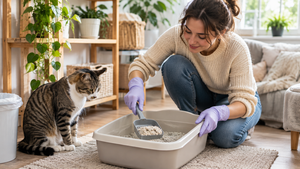
The following guide can help owners describe symptoms accurately during a veterinary appointment.
| Observation | What to record |
|---|---|
| Frequency | Number of bowel movements per day |
| Consistency | Formed, soft, loose or watery |
| Colour | Brown, unusually pale, red or black |
| Additional material | Mucus, visible blood or suspected parasites |
| Appetite | Normal, reduced or absent |
| Drinking | Normal, increased or reduced |
| Other symptoms | Vomiting, lethargy, discomfort or weight loss |
Keep records for as long as your vet recommends. Do not use a monitoring diary as a reason to delay assessment when warning signs are present.
Frequently Asked Questions
Can diarrhoea in cats go away on its own?
A mild episode may resolve without specific treatment. However, persistent, recurrent or severe diarrhoea requires veterinary advice.
How long is too long for cat diarrhoea?
Contact your vet if diarrhoea lasts more than 24 hours, or sooner if your cat develops additional symptoms. Kittens and elderly cats need earlier assessment.
Should I stop feeding my cat if it has diarrhoea?
Do not routinely starve your cat. Small, appropriate meals may be recommended for mild cases, but seek veterinary advice if your cat refuses food.
Can stress cause diarrhoea in cats?
Stress can contribute to digestive disturbances, but persistent symptoms should not be assumed to have a behavioural cause.
Why does my cat have diarrhoea after changing food?
An abrupt dietary change can upset digestion. A gradual transition may help, although repeated symptoms can indicate another problem.
Is bloody diarrhoea in cats an emergency?
Blood in the stool warrants veterinary advice. Large amounts of blood, black stools, weakness or other serious symptoms require urgent assessment.
Can indoor cats get diarrhoea from parasites?
Yes. Indoor cats can still develop certain parasitic infections, although the risk varies with their environment and exposure.
Final Thoughts
Diarrhoea in cats is a common symptom, but its significance depends on the duration, severity and your cat’s overall health.
A single mild episode may resolve quickly, while repeated diarrhoea, blood in the stool, vomiting or reduced appetite can indicate a condition requiring veterinary treatment.
Monitor your cat carefully, maintain access to fresh water and avoid unprescribed medication.
For more UK-focused cat health advice, veterinary cost information and independent pet insurance resources, visit PetCoverHQ.