Dog cancer treatment in the UK can cost anything from a few hundred pounds to more than £10,000. Where your dog lands in that range depends on the type of cancer, whether it has spread and whether you are referred to a specialist. Insurers’ claims data gives a middle point. The average cancer claim for dogs in 2025 was £748.17 at ManyPets and £1,254 at Animal Friends.
Specialist care costs far more. ManyPets says advanced imaging plus chemotherapy or radiotherapy with an oncologist could easily reach £5,000 to £10,000. There is no NHS for pets. You might be reading this with an estimate in your hand, so this guide sets out the published UK prices for each stage of care. It also explains how each type of pet insurance pays out, and where to find help if you are not covered.
Average Canine Oncology Prices In 2026
Where your dog is treated matters most. Your own vet can handle many lump removals. Specialist referral centres charge more for advanced scans, complex surgery and chemotherapy.
Published UK prices for dog cancer care (checked October 2026)
Stage of care
Published price
Source
Referral oncology consultation
£277; £423 at Davies Veterinary Specialists (2024)
Cancer Care for Pets; Acorn House Veterinary Hospital
CT scan
From £2,400
Cancer Care for Pets
Ultrasound scan
From £336, or £600 with samples
Cancer Care for Pets
X-rays
From £300
Cancer Care for Pets
Cancer surgery at a referral centre
£2,400 to £6,000, plus hospital stay and medicines
Cancer Care for Pets
Chemotherapy, per session
From £300 (tablets) or £400 (intravenous); £190 to £258 per visit at Acorn House
Cancer Care for Pets; Acorn House (December 2024)
Electrochemotherapy, per session
From £2,150
Cancer Care for Pets
Average insurance claim for cancer in dogs
£748.17 (ManyPets); £1,254 (Animal Friends)
Insurers’ 2025 claims data
These are starting prices from individual providers, not national averages. Your own bill will differ. Under the Competition and Markets Authority’s (CMA) rules for vets, large vet groups must give you a written estimate for treatment likely to cost £500 or more from June 2027. Smaller practices follow from September 2027. Ask your vet for one at every stage, even before then.
Diagnostic Scans And Initial Consultations
Diagnosis is often your first large bill. According to the PDSA, it is rare to tell what a lump is just by looking at it. Your vet may need to run tests. A typical work-up can include:
a fine needle aspirate (a cell sample taken with a needle), often without an anaesthetic;
a biopsy, or removal of the whole lump, under anaesthetic, plus samples from lymph nodes to check for spread;
blood tests and imaging such as X-rays, ultrasound, MRI or CT scans.
Your dog may need to go to a specialist hospital for imaging. At referral prices, the costs add up quickly.
A £277 oncology consultation plus a CT scan from £2,400 comes to £2,677 before any treatment starts. Biopsy results usually take 5 to 10 days from an external lab, according to Acorn House.
Surgical Tumour Removal Fees
Location drives the price of surgery. Animal Friends puts the average tumour surgery claim for dogs at £1,233, based on its 2025 claims. That figure covers many routine lump removals at your dog’s usual practice.
Complex operations cost more. Cancer Care for Pets, a UK oncology referral practice, quotes £2,400 to £6,000 for procedures from tumour removals to major abdominal or chest surgery. You pay for hospital stays and medicines on top. PDSA notes that if a lump’s size or position makes it hard to remove, your vet may discuss treatment at a specialist hospital.
Chemotherapy And Radiation Therapy Courses
Chemotherapy costs build up over months of visits. Dogs receive lower doses than people, to keep side effects down. The aim is often to keep your dog well for as long as possible, rather than to cure the cancer.
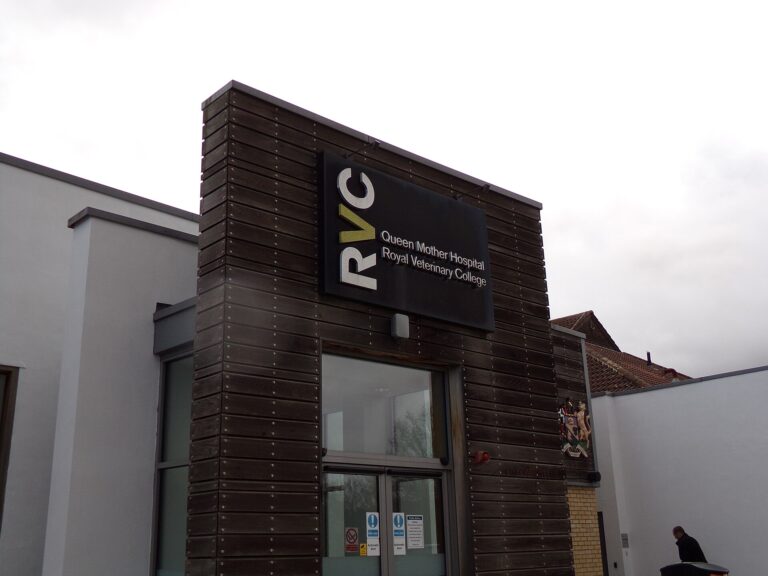
Acorn House Veterinary Hospital, part of RVC Veterinary Practices, publishes its prices for treating lymphoma with the COP protocol. Each visit costs £190 to £258. Medicines for your dog add £1,072 to more than £3,750 a year, depending on size. Treatment usually runs for 12 months:
weekly visits for the first two months;
a visit every two weeks for the next six months;
a visit every three weeks for the last four months.
That schedule means roughly 28 visits. At these prices, a year of treatment comes to about £6,400 to £11,000. This is our estimate from Acorn House’s published figures, not a quote.
Radiotherapy is harder for you to budget for. PDSA says it is only available at a few specialist veterinary hospitals in the UK.
Southfields Veterinary Specialists describes itself as one of only six UK centres with a linear accelerator for small animals. A full curative-intent course there is usually 10 to 20 treatments over two to four weeks. Your dog has an anaesthetic for each one. Palliative courses use a lower dose to slow a tumour or ease pain.
None of the centres we checked publishes a standard radiotherapy price. Ask for a written estimate that includes travel, anaesthetics and any overnight stays.
Video: Southfields Veterinary Specialists shows its oncology and radiotherapy suite.
Palliative Care And End-Of-Life Medication Expenses
Palliative care keeps your dog comfortable when the cancer cannot be cured. PDSA says it usually includes pain relief, special care at home and regular check-ups with your vet. The cost is ongoing rather than one large bill, so it depends on the medicines your dog needs and how often you visit.
You can often lower the cost of medicines. Ask your vet for a written prescription and compare prices at an online or local pharmacy. Under the CMA’s rules, the fee for a written prescription will be capped at £21.40 for the first medicine and £12.70 for each additional one. The cap applies from March 2027 if your practice belongs to a large vet group. Smaller practices follow in September 2027. Some practices, such as Animal Trust, also publish prices for end-of-life care and cremation. Our guide to average vet bills in the UK covers other common charges.
How UK Pet Insurance Policies Handle Oncology Claims
For a cancer claim, your type of cover matters more than the insurer’s name. The same diagnosis can be paid for years, for 12 months, or not at all.
How each type of pet insurance handles a cancer claim
Type of cover
How it pays for cancer
Example
Lifetime
A vet fee limit each year, which resets when you renew
Petplan Covered for Life: £4,000, £7,000 or £12,000 a year
Time-limited
A limit per condition, only for 12 months from first treatment
Petplan Essential and Churchill: £3,000 per condition for 12 months
Maximum benefit
A fixed amount per condition; once it is used, that condition is no longer covered
Tesco Maximum Benefit: £5,000 or £7,500 per condition
Accident-only
Does not cover illness, so cancer is not covered
Not applicable
A £3,000 time-limited policy shows the problem. Referral diagnostics alone, at £2,677 in the example above, would leave £323 for treatment.
If you are choosing cover now, compare your limit with the prices in this guide. Our guide to lifetime vs time-limited pet insurance explains the trade-offs.
Timing matters too. A lump your vet noted before the policy started is usually treated as a pre-existing condition and excluded. Check your policy wording for the excess and any co-payment, which you pay on every claim.
Some specialist centres claim from your insurer for you. Cancer Care for Pets, for example, bills you for the excess or co-payment at each visit and sends the rest to your insurer. You remain responsible for any claim the insurer rejects, and for claims not settled within 12 weeks.
Financial Assistance Options For Dog Owners
Charity vets can help with cancer care if you meet their rules, though advanced specialist treatment is rarely available. Most help depends on the benefits you receive and where you live.
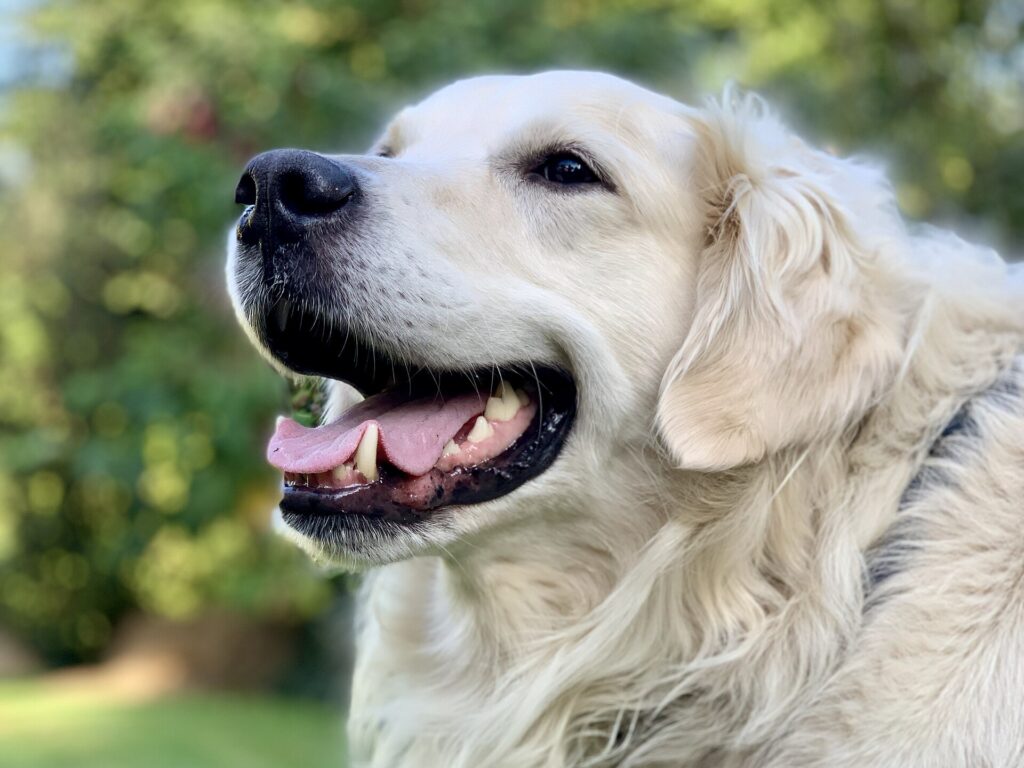
Larger breeds such as the Golden Retriever tend to have higher medicine costs, because doses depend on body weight. Photo: Johannnes89, CC BY-SA 4.0.
The PDSA offers free or low-cost treatment at its Pet Hospitals if you receive certain benefits and live in a catchment area. See our guide to PDSA free vet services for who qualifies. Blue Cross runs animal hospitals in London and Grimsby with similar benefit rules.
Animal Trust is a not-for-profit Community Interest Company that publishes its prices online. It says payment is usually due at the time of treatment, with a deposit of around £430 for some procedures. If you need to spread a large bill, our guide to vet payment plans in the UK explains which vets offer finance. For every other option, see how to pay vet bills without pet insurance.
Talk to your vet about money early. PDSA says there are often several treatment options. If one is out of reach, your vet may be able to offer another.
Frequently Asked Questions About Dog Cancer Fees
Does pet insurance cover experimental cancer trials?
Usually not. Many policies list experimental treatment as an exclusion. Puffin’s lifetime policy wording, for example, excludes experimental treatments, cancer vaccinations and therapeutic antibodies for dog and cat cancers. Check the exclusions in your own policy. Ask your insurer before your dog joins a trial.
What is an oncology referral fee?
It is the specialist’s consultation fee when your vet refers your dog. Published examples include £277 at Cancer Care for Pets and £423 for an initial appointment at Davies Veterinary Specialists in 2024. Scans, treatment and medicines are charged on top.
Which dog breeds face the highest cancer treatment costs?
Size affects the bill more than breed alone. In Animal Friends’ 2025 claims, the average tumour claim was £1,136 for small dogs up to 10 kg (22 lb). For giant dogs over 50 kg (110 lb), it was £1,535. Chemotherapy medicines also cost more for bigger dogs: from £1,072 to more than £3,750 a year at Acorn House, depending on size.
Is chemotherapy cheaper than radiation therapy for dogs?
It depends on the protocol, and few centres publish radiotherapy prices. Chemotherapy sessions start at £190 to £400 at the providers above, but a year of treatment can reach several thousand pounds. A radiotherapy course is shorter, at 10 to 20 sessions over two to four weeks, yet each session needs a specialist centre and an anaesthetic. Ask both teams for a written estimate before you decide.
Making The Right Decision For Your Dog
Making a cancer treatment decision requires balancing your financial capacity with the dog’s prognosis. Declining expensive surgical treatment in favour of palliative care remains a valid, humane choice. Open financial discussions with the veterinary oncologist help set realistic clinical expectations immediately. Pet owners must prioritise their dog’s comfort above all other factors during treatment.
Every price here comes from the provider’s own website, checked on 15 October 2026. Vet prices move quickly, so use them as a starting point and rely on your vet’s written estimate. Corrections are welcome at [email protected].
Content is provided for informational purposes only and does not constitute financial advice. Always read the full policy terms before purchasing.
Luxating patella in dogs is a knee condition that causes the kneecap to slip out of its normal position. It can lead to intermittent limping, unusual skipping movements...
Taking your dog to France from the UK requires careful preparation, particularly if you live in England, Scotland or Wales. Your dog needs a microchip, a valid rabies...
How long do dogs live? According to a major 2024 Dogs Trust study, the median lifespan of dogs in the UK is approximately 12.5 years. However, your dog's...
How long do rabbits live? Pet rabbits can live for 8 to 12 years with appropriate care, according to UK animal welfare charities such as Blue Cross and...