
Dog itchy skin is a common concern for pet owners, especially when scratching becomes constant or your dog starts licking, chewing or rubbing the same area repeatedly. Occasional scratching is normal, but persistent itching can signal fleas, allergies, skin infections or another medical problem.
You might notice red patches, flaky skin, hair loss or irritated paws. Some dogs also develop recurring ear problems or struggle to settle comfortably at night.
This guide explains the causes of dog itchy skin, how to recognise warning signs, safe ways to help at home and what veterinary treatment may involve. For more UK-focused pet health advice and veterinary cost guidance, explore PetCoverHQ.

Why Does My Dog Have Itchy Skin?
Itching, medically called pruritus, is a symptom rather than a disease.
Dogs may scratch, lick, chew or rub their skin to relieve irritation. However, repeated scratching can damage the skin barrier and make secondary infections more likely.
Several conditions can produce similar symptoms, so identifying the cause is essential.
According to PDSA’s guidance on itchy skin in dogs, persistent scratching can have several underlying causes, including parasites, allergies and infections. Identifying the cause early can help prevent further skin damage and discomfort.
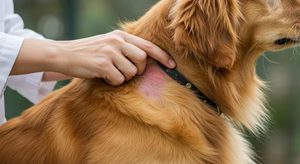
1. Fleas and Flea Allergy Dermatitis
Fleas are one of the most common causes of itching in dogs.
Some dogs develop flea allergy dermatitis, an allergic reaction to substances in flea saliva. Even a small number of bites may trigger considerable discomfort.
Signs can include:
- Scratching around the lower back and base of the tail.
- Small scabs or red bumps.
- Hair loss around the hindquarters.
- Excessive biting or chewing.
- Dark flea dirt in the coat.
You may not see live fleas, even when they are responsible for the irritation.
PDSA recommends discussing appropriate flea control with your vet and treating the household environment when necessary. PDSA
2. Environmental Allergies
Some dogs develop allergic skin disease, also known as atopic dermatitis.
Potential triggers include grass pollen, tree pollen, house dust mites and moulds.
Environmental allergies may cause seasonal flare-ups, although dogs sensitive to indoor allergens can itch throughout the year.
Typical signs include itchy paws, irritated skin around the face, recurrent ear problems and excessive licking.
A dog with itchy skin during spring or summer may have a pollen-related allergy, but the timing alone cannot confirm the diagnosis.
3. Food Allergies
Food allergies can cause skin irritation in some dogs.
Possible signs include persistent itching, ear infections and occasionally digestive symptoms.
However, food allergy is not the explanation for every itchy dog, and repeatedly changing food without a plan can make investigation more difficult.
A vet may recommend a controlled elimination diet using a suitable prescription or carefully selected diet.
Such trials usually require strict feeding over several weeks, without unapproved treats or flavoured supplements.
4. Bacterial and Yeast Infections
Bacteria and yeast can contribute to inflamed, uncomfortable skin.
These infections may develop after allergies, scratching or another condition damages the skin.
Possible symptoms include:
- Red or inflamed patches.
- Unpleasant skin odour.
- Greasy or flaky skin.
- Hair loss.
- Crusting or discharge.
- Repeated paw licking.
Infection may be the immediate reason a dog is scratching, even when an allergy triggered the original problem.
5. Mites and Other Parasites
Certain mites can cause mange, resulting in itching, inflammation and hair loss.
Sarcoptic mange can be intensely itchy and may spread between animals. It can also cause temporary skin irritation in people.
Demodex mites can cause hair loss and skin changes, although itching varies.
Veterinary examination and appropriate tests are needed to identify the cause.
6. Contact Irritation
Some dogs develop irritation after exposure to particular substances.
Possible triggers include cleaning products, grooming products or materials that come into contact with their skin.
If irritation appears after using a new shampoo or household cleaner, record the timing and tell your vet.
Do not assume every reaction is an allergy; some products can directly irritate the skin.
Where Is Your Dog Scratching? What the Location May Suggest
The location of itching can help guide a veterinary investigation, although it cannot confirm a diagnosis.
| Itchy area | Possible causes | Other clues |
|---|---|---|
| Base of tail and lower back | Fleas or flea allergy | Scabs, chewing, hair loss |
| Paws and between toes | Allergies, yeast, irritation, foreign material | Licking, redness, staining |
| Ears | Ear infection, parasites, allergies | Head shaking, discharge, odour |
| Belly and armpits | Allergies, contact irritation, infection | Rash, red skin |
| Face and muzzle | Allergies, irritation, infection | Face rubbing, redness |
| Multiple body areas | Parasites, allergies, widespread skin disease | Persistent scratching, hair loss |
Dog itchy skin affecting several areas may require a broader investigation than a small, isolated patch.
For example, a dog repeatedly licking its paws and shaking its head may have allergic skin disease with a secondary ear infection.
Dog Itching but No Fleas: What Else Could Be Wrong?
A dog can itch severely even when no fleas are visible.
Possible explanations include environmental allergies, food reactions, mites, bacterial infections and yeast overgrowth.
However, failing to find fleas does not completely exclude flea allergy.

How to Check for Fleas at Home
Use a fine-toothed flea comb, paying particular attention to the lower back and base of the tail.
Comb through the coat gently and look for small dark specks.
Place any suspected flea dirt on damp white kitchen paper. Flea dirt may produce reddish-brown staining because it contains digested blood.
This can be a useful clue, but it is not a definitive test.
If you suspect fleas, ask your vet which treatment is appropriate for your dog’s age, weight and health.
Important: Some dog flea products contain ingredients that are highly toxic to cats. Never apply a dog-only flea treatment to a cat, and follow veterinary advice when both species live in the same home.
When Is Dog Itchy Skin an Emergency?
Most itchy skin problems are not immediately life-threatening, but they can cause considerable discomfort and should not be ignored.
PDSA advises contacting a vet when scratching becomes more frequent than normal, particularly if skin changes are visible. PDSA
Seek Emergency Veterinary Care If Your Dog Has:
- Difficulty breathing or sudden collapse.
- Rapid facial or throat swelling.
- Severe weakness after a suspected allergic reaction.
- Extensive skin injury accompanied by serious illness.
These symptoms may indicate a severe allergic reaction or another emergency.
Arrange Prompt Veterinary Assessment If You Notice:
- Open wounds or bleeding caused by scratching.
- Rapidly spreading, painful or weeping skin lesions.
- Significant hair loss.
- Strong skin odour or discharge.
- Constant scratching that prevents rest.
- Recurrent ear infections or marked discomfort.
A rapidly developing moist, painful skin lesion may be a hot spot, which often requires veterinary treatment.
Do not wait for the affected area to become larger before seeking advice.
How to Help a Dog With Itchy Skin at Home
For dog itchy skin, home care should focus on reducing avoidable irritation while arranging appropriate veterinary advice.
The right treatment depends on the underlying cause.
1. Check for Fleas and Review Parasite Prevention
Check your dog’s coat and confirm whether parasite prevention is up to date.
Ask your vet whether the product used is suitable for your dog and whether additional household treatment is necessary.
Do not combine flea treatments without professional advice.
2. Keep Bedding and Living Areas Clean
Wash your dog’s bedding regularly using a suitable mild detergent.
Rinse thoroughly to reduce residue that may irritate sensitive skin.
Vacuum carpets, rugs and soft furnishings, particularly when fleas are suspected.
Cleaning can help reduce environmental exposure but does not replace prescribed treatment.
3. Groom Gently
Regular brushing removes loose fur and helps you notice changes in the skin.
Avoid brushing aggressively over sore, broken or inflamed areas.
If your dog has matted fur, ask a groomer or vet how to remove it safely.
4. Avoid Unnecessary Bathing
Frequent bathing with unsuitable shampoo can irritate the skin.
Use only products intended for dogs and follow veterinary guidance about bathing frequency.
For certain skin conditions, your vet may recommend a medicated shampoo with specific contact times.
Never use household detergents or human anti-dandruff shampoo unless a vet specifically instructs you to do so.

5. Reduce Scratching-Related Injury
If your dog is damaging its skin, contact your vet about suitable protective options.
A properly fitted protective collar may help prevent licking or chewing while treatment begins.
Keep nails appropriately trimmed, but avoid attempting painful grooming procedures.
6. Avoid Unproven Home Remedies
Do not apply essential oils, vinegar, concentrated tea tree oil or human steroid creams without veterinary advice.
Some substances can irritate the skin or be toxic if swallowed during grooming.
Human antihistamines and painkillers should not be given without veterinary direction.
Can You Soothe Dog Itchy Skin Naturally?
Some owners look for natural solutions before visiting a vet.
Gentle grooming, clean bedding and reducing exposure to known irritants can support skin comfort.
However, natural does not automatically mean safe or effective.
Coconut oil, herbal preparations and homemade mixtures may cause irritation, gastrointestinal upset if licked or delay appropriate treatment.
If dog itchy skin is caused by an infection or parasites, household remedies will not reliably resolve the underlying problem.
A veterinary diagnosis is the safest starting point.
How Do Vets Diagnose Itchy Skin in Dogs?
A vet will usually examine the skin, coat, ears and affected areas.
They may ask when symptoms started, whether itching changes with the seasons and which parasite treatments your dog receives.

Depending on the findings, further tests may include:
| Investigation | What it helps identify |
|---|---|
| Flea comb examination | Evidence of fleas or flea dirt |
| Skin scraping | Certain mites and other skin conditions |
| Skin cytology | Bacteria, yeast and inflammatory cells |
| Ear examination | Ear inflammation, infection or parasites |
| Fungal testing | Selected fungal infections |
| Elimination diet trial | Possible adverse food reaction |
| Allergy testing | Helps plan immunotherapy in selected cases |
Allergy testing is not a reliable standalone way to diagnose every food or environmental allergy.
Veterinary guidelines generally recommend considering parasites and infections before investigating allergic skin disease in greater depth. MSD Veterinary Manual+1
What to Tell Your Vet
Prepare the following details:
- When the scratching began.
- Which body areas are affected.
- Whether symptoms occur seasonally.
- Current food, treats and supplements.
- Recent grooming or cleaning products.
- Flea and parasite treatment history.
- Previous skin or ear infections.
- Photographs of flare-ups.
This information can help avoid unnecessary repetition during the investigation.
How Is Dog Itchy Skin Treated?
Treatment varies according to the diagnosis.
Parasite Treatment
If fleas or mites are responsible, your vet may recommend an appropriate antiparasitic treatment.
Environmental flea control may also be necessary.
Anti-Itch Medication
Veterinary medicines can help control itching and inflammation.
Depending on the diagnosis, a vet may prescribe medication such as oclacitinib, an injectable anti-itch treatment or a corticosteroid.
These medicines are not interchangeable, and some are unsuitable for particular dogs or conditions.
Treatment for Skin Infections
Bacterial or yeast infections may require medicated washes, topical treatment or other prescribed medication.
The vet may also investigate an underlying allergy or another condition that made infection more likely.
Dietary Management
When food allergy is suspected, a structured elimination diet may be recommended.
It is important to follow the trial carefully and avoid unapproved treats.
Long-Term Allergy Management
Dogs with atopic dermatitis may need ongoing treatment.
Management can include parasite prevention, environmental changes, skin care, medication and sometimes allergen-specific immunotherapy.
The aim is to control symptoms and maintain quality of life rather than promise a permanent cure.
How Much Does Dog Itchy Skin Treatment Cost in the UK?
Veterinary costs depend on the underlying condition, investigations required and whether treatment is short-term or ongoing.
A straightforward consultation may be less expensive than repeated investigations for chronic allergic skin disease.
| Possible expense | When it may be needed |
|---|---|
| Veterinary consultation | Initial skin assessment |
| Skin scraping or cytology | Investigating mites, yeast or bacteria |
| Ear examination and testing | Recurring ear symptoms |
| Prescription treatment | Managing parasites, infection or itching |
| Elimination diet | Investigating suspected food allergy |
| Follow-up appointments | Monitoring treatment response |
| Specialist referral | Complex or persistent skin disease |
Some chronic skin conditions require treatment over months or years.
Ask your vet for an itemised estimate, including the likely cost of repeat prescriptions and monitoring.
Does Pet Insurance Cover Dog Skin Allergies?
Some UK pet insurance policies may cover eligible investigations and treatment for skin conditions.
However, coverage depends on the policy wording and your dog’s medical history.
Important considerations include:
- Pre-existing condition exclusions.
- Waiting periods.
- Annual or per-condition veterinary fee limits.
- Fixed excess and percentage co-payments.
- Prescription medication coverage.
- Chronic condition and renewal provisions.
- Referral and specialist treatment benefits.
For example, a dog that showed repeated itching before a new policy began may have related conditions excluded, even if the formal diagnosis came later.
For broader guidance, read What Pet Insurance Does Not Cover.
Do not delay necessary veterinary treatment while waiting for an insurance decision.
How to Prevent Recurring Itchy Skin in Dogs
Not every skin condition can be prevented, particularly when a dog has an inherited tendency towards allergies.
However, consistent care can reduce some triggers and help identify flare-ups early.
Maintain Suitable Parasite Prevention
Discuss year-round parasite prevention with your vet, taking account of your dog’s lifestyle and local risks.
Keep a Consistent Grooming Routine
Brush regularly and check for redness, hair loss, lumps or irritated areas.
Monitor Seasonal Changes
If your dog becomes itchy after particular walks or during pollen season, record the pattern.
This may help your vet investigate environmental triggers.
Avoid Repeated Unnecessary Diet Changes
Frequent changes can make it harder to identify whether food contributes to symptoms.
Use a structured dietary trial only when appropriate.
Attend Follow-Up Appointments
Chronic allergic skin disease may require adjustments to treatment over time.
Regular reviews can help manage symptoms before severe flare-ups develop.
A 7-Day Itching Diary for Dog Owners
A simple symptom diary can make veterinary appointments more productive.
Use the same 0–10 itching score each day, where 0 means no noticeable itching and 10 means almost constant scratching that seriously disrupts normal activity.
| Day | Itch score | Main affected area | Possible trigger |
|---|---|---|---|
| Monday | 3/10 | Paws | Walk in long grass |
| Tuesday | 5/10 | Paws, ears | No obvious change |
| Wednesday | 4/10 | Belly | Bedding washed |
| Thursday | 6/10 | Paws | Long outdoor walk |
| Friday | 5/10 | Ears | No obvious change |
| Saturday | 3/10 | Paws | Mostly indoors |
| Sunday | 4/10 | Paws | Normal routine |
Illustrative example only. These scores do not diagnose an allergy.
Also record medication, flea prevention and visible skin changes.
If your dog’s condition worsens, do not wait until the diary is complete before contacting your vet.
Frequently Asked Questions
Why is my dog scratching so much but has no fleas?
Allergies, mites, bacterial infections, yeast and contact irritation can cause scratching. Fleas may also be difficult to see, so a veterinary examination is important.
Can dog itchy skin go away on its own?
Minor temporary irritation may settle, but persistent itching should be investigated. Repeated scratching can damage the skin and contribute to infection.
What is the best treatment for dog itchy skin?
There is no single best treatment. Fleas require appropriate parasite control, infections need targeted treatment and allergies may require ongoing management.
Can food allergies cause itchy paws in dogs?
Yes, food allergies can contribute to itchy paws, although environmental allergies and infections are also common possibilities.
Is dog itchy skin worse at night?
Some dogs scratch more noticeably when resting because there are fewer distractions. However, night-time itching does not identify a specific cause.
Should I bathe my dog if its skin is itchy?
Bathing may help certain conditions when the correct product is used, but unsuitable shampoos can worsen irritation. Ask your vet which product and bathing frequency are appropriate.
Can dogs develop skin allergies later in life?
Yes. Allergic skin problems can develop at different ages. New itching in an older dog should still be assessed because other medical conditions may be involved.
Final Thoughts
Dog itchy skin can result from fleas, allergies, parasites, infections or contact irritation. Although occasional scratching is normal, persistent itching, hair loss and inflamed skin deserve veterinary attention.
The most effective approach is to identify the underlying cause, avoid unsafe home remedies and follow a treatment plan suited to your dog.
Keeping a record of symptoms, maintaining parasite prevention and monitoring recurring flare-ups can also support long-term skin health.
For more practical dog health information, veterinary cost guidance and independent pet insurance resources for UK owners, visit PetCoverHQ.