An ear infection in cats can cause persistent scratching, head shaking, unpleasant odours and painful inflammation. Some cats develop dark ear discharge, while others show only subtle changes in behaviour. Without appropriate treatment, certain infections can spread deeper into the ear and affect hearing or balance.
Although ear infections are less common in cats than in dogs, they still require attention. Ear mites, allergies, foreign objects and underlying medical conditions can all contribute to ear problems.
This guide explains how to recognise an ear infection in cats, what causes it, how vets diagnose and treat the condition, and what UK owners should know about treatment costs. For more independent pet health and insurance guidance, explore PetCoverHQ.
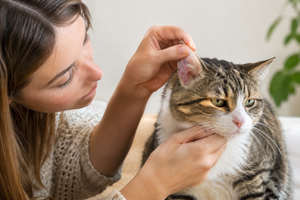
What Is an Ear Infection in Cats?
An ear infection occurs when inflammation and infection affect part of a cat’s ear.
The medical term otitis refers to ear inflammation. Depending on the affected area, veterinarians distinguish between three main conditions.
| Condition | Affected area | Why it matters |
|---|---|---|
| Otitis externa | Outer ear canal | Often associated with itching, discharge and inflammation |
| Otitis media | Middle ear | May cause pain, hearing changes or neurological signs |
| Otitis interna | Inner ear | Can affect balance and coordination |
Not every inflamed ear is infected. Parasites, allergies and other conditions may cause inflammation without an established bacterial or yeast infection.
According to Merck Veterinary Manual’s guidance on otitis externa, identifying underlying causes is important for successful treatment.
Can Cats Develop Ear Infections in One Ear?
Yes. A cat may develop symptoms in one ear or both ears.
A one-sided problem can sometimes be associated with a foreign object, localised inflammation or an abnormal growth.
Problems affecting both ears may raise suspicion of parasites or another underlying condition.
However, the distribution alone cannot confirm the diagnosis.
What Are the Signs of an Ear Infection in Cats?
Recognising an ear infection in cats early can help prevent prolonged discomfort and reduce the risk of complications.
Common symptoms include:
- Frequent head shaking.
- Scratching one or both ears.
- Redness inside the ear.
- Brown, yellow or dark discharge.
- Unpleasant ear odour.
- Pain when the head or ears are touched.
- Swelling around the ear.
- Increased sensitivity or irritability.
Some cats also tilt their heads or become less active.
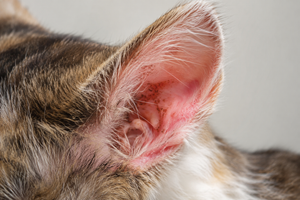
What Does an Infected Cat Ear Look Like?
An affected ear may appear red, irritated or unusually dirty.
Discharge can range from dark brown material to yellowish fluid, depending on the underlying problem.
A healthy cat’s ears are generally clean, with little visible wax and no strong odour.
However, appearance alone cannot distinguish bacterial infection, yeast overgrowth, parasites or other causes.
Why Is My Cat Shaking Its Head?
Head shaking is a common response to ear irritation.
Possible causes include ear mites, infection, excessive wax, foreign material or inflammation.
Occasional head shaking is not necessarily abnormal, but repeated shaking deserves veterinary assessment.
Can an Ear Infection Cause Hearing Loss?
Yes. Severe inflammation or disease affecting deeper ear structures may interfere with hearing.
Some changes may improve following treatment, while others can persist.
Prompt diagnosis is important, particularly when your cat develops balance problems or sudden hearing changes.
What Causes Ear Infections in Cats?
Several underlying conditions can lead to an ear infection in cats. Treating only the discharge without identifying the cause may result in recurring problems.
1. Ear Mites
Ear mites are microscopic parasites that live in the ear canal.
They are particularly common in kittens and cats exposed to infected animals.
Affected cats often scratch intensely and may develop dark, crumbly debris resembling coffee grounds.
However, dark discharge does not automatically mean ear mites are present.
A veterinarian can examine ear debris under a microscope to confirm the diagnosis.
2. Bacterial Infections
Bacteria may multiply when the normal ear environment becomes disrupted.
Inflammation, parasites or another underlying problem can create conditions that favour infection.
Your vet may take an ear swab to identify the organisms involved.
3. Yeast Overgrowth
Yeast organisms can contribute to inflammation and discharge in some cats.
As with bacterial infections, yeast may be secondary to another problem.
Treatment should be based on veterinary examination rather than assumptions about the discharge.
4. Allergies and Skin Conditions
Allergic skin disease can affect the ears.
Cats with allergies may also show itching, overgrooming or inflammation elsewhere on the body.
Recurring ear problems sometimes require investigation of underlying dermatological disease.
5. Foreign Objects
Grass seeds and other foreign material may become trapped in the ear canal.
A cat may suddenly shake its head or scratch one ear repeatedly.
Do not attempt to remove an object deep inside the ear yourself.
6. Ear Polyps and Growths
Inflammatory polyps can develop in the ear region, particularly in younger cats.
They may contribute to recurring inflammation, discharge or hearing problems.
Older cats can also develop ear canal tumours, making persistent one-sided symptoms particularly important to investigate.
Ear Infection vs Ear Mites in Cats
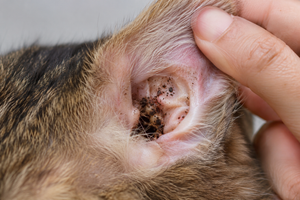
Ear mites and infections can produce similar symptoms, but they are not the same condition.
| Feature | Ear mites | Bacterial or yeast infection |
|---|---|---|
| Main cause | Parasitic infestation | Microbial overgrowth or infection |
| Itching | Often pronounced | Variable |
| Discharge | Frequently dark and crumbly | Variable colour and consistency |
| Contagious to other pets | Yes, mites can spread | Usually not directly contagious |
| Diagnosis | Examination and microscopy | Examination and ear cytology |
| Treatment | Appropriate antiparasitic medication | Cause-specific veterinary treatment |
Ear mites can also contribute to secondary infections, so both conditions may occur together.
Do not diagnose ear mites based only on brown discharge.
When Is an Ear Infection in Cats an Emergency?
Most uncomplicated outer ear problems require a veterinary appointment rather than emergency treatment.
However, some symptoms suggest deeper ear disease or serious complications.
Seek urgent veterinary care if your cat develops:
- Sudden loss of balance.
- Persistent head tilt.
- Falling or circling.
- Rapid, involuntary eye movements.
- Severe pain or distress.
- Facial weakness or an unusual facial appearance.
- Significant swelling with other signs of illness.
- Difficulty walking or standing.
These signs may indicate middle or inner ear involvement, although neurological conditions can produce similar symptoms.
Why Is a Head Tilt Concerning?
A persistent head tilt can be associated with vestibular dysfunction, which affects balance.
Inner ear disease is one possible cause.
Cats with vestibular signs may also experience nausea, disorientation or difficulty walking.
Do not attempt home ear cleaning when your cat develops these symptoms.
How Do Vets Diagnose an Ear Infection in Cats?
Veterinary diagnosis usually begins with a review of your cat’s symptoms, medical history and previous ear problems.
Your vet will examine the ears and assess whether additional investigations are necessary.
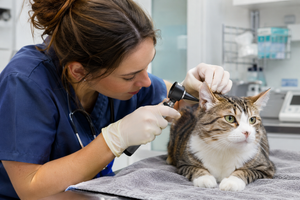
Otoscopic Examination
An otoscope allows the vet to inspect the ear canal.
This may help identify inflammation, debris, foreign material or visible abnormalities.
A painful cat may require sedation for a complete examination.
Ear Cytology
A small sample of ear discharge may be collected and examined under a microscope.
This can help identify bacteria, yeast and some parasites.
Ear Mite Examination
Microscopic examination may confirm the presence of mites or their eggs.
Bacterial Culture
For selected recurrent, severe or treatment-resistant infections, your vet may recommend bacterial culture and susceptibility testing.
Imaging
If deeper ear disease, polyps or other structural problems are suspected, imaging such as CT or MRI may be considered.
Not every cat needs advanced testing.
The diagnostic approach depends on the severity, duration and suspected cause.
How Is an Ear Infection in Cats Treated?
Treatment depends on the underlying diagnosis and whether the outer, middle or inner ear is affected.
Veterinary Ear Cleaning
A vet may remove excess debris using an appropriate cleaning solution.
This helps examination and may improve the effectiveness of prescribed treatment.
Deep cleaning should not be attempted at home without instruction.
Prescription Ear Medication
Depending on the diagnosis, your vet may prescribe medication targeting bacteria, yeast or inflammation.
Not every ear drop is safe when the eardrum is damaged.
This is one reason veterinary assessment matters before treatment.
Ear Mite Treatment
Confirmed ear mite infestations require suitable antiparasitic medication.
Other animals in the household may also need assessment or treatment.
Follow the product instructions and veterinary recommendations carefully.
Treatment for Middle or Inner Ear Disease
Deeper infections may require more extensive investigations and prolonged treatment.
Some cats need systemic medication or specialist intervention.
Surgery for Polyps or Other Growths
Selected cats with polyps or structural disease may require surgery.
The procedure depends on the location and nature of the abnormality.
Can You Treat a Cat Ear Infection at Home?
You should not attempt to treat a suspected ear infection in cats using household remedies.
Incorrect treatment can worsen inflammation, delay diagnosis or damage sensitive ear structures.
What You Can Safely Do
While arranging a veterinary appointment:
- Keep your cat comfortable in a quiet environment.
- Observe whether one or both ears are affected.
- Record symptoms such as scratching, discharge and head shaking.
- Prevent unnecessary handling of painful ears.
- Follow veterinary instructions for any prescribed treatment.
What You Should Avoid
Do not use:
- Hydrogen peroxide.
- Vinegar or alcohol.
- Essential oils.
- Human ear drops.
- Cotton buds inserted into the ear canal.
- Leftover medication from another pet.
Do not flush the ear without veterinary guidance.
A damaged eardrum or foreign object can make inappropriate cleaning particularly risky.
How Much Does Cat Ear Infection Treatment Cost in the UK?
The cost of treating an ear infection in cats varies depending on the cause, tests and complexity of treatment.
A straightforward outer ear problem may require a consultation, examination and prescription medication.
More complicated cases can involve repeat visits, laboratory testing, sedation or advanced imaging.
| Potential expense | Why it may be needed |
|---|---|
| Veterinary consultation | Initial assessment |
| Otoscopic examination | Inspecting the ear canal |
| Ear cytology | Identifying organisms or parasites |
| Prescription ear medication | Treating a diagnosed condition |
| Ear cleaning under sedation | Removing debris safely |
| Bacterial culture | Investigating persistent infections |
| CT or MRI | Assessing deeper ear disease |
| Surgery | Treating selected polyps or growths |
Costs differ between UK veterinary practices.
Ask for an itemised estimate that includes diagnostic tests, medication, sedation and follow-up appointments.
Why Can Recurring Ear Infections Become Expensive?
A cat with repeated ear inflammation may need more than several courses of ear drops.
Investigating allergies, resistant infections or structural abnormalities can involve additional tests and specialist care.
Identifying the underlying cause may reduce repeated ineffective treatment.
Does Pet Insurance Cover Ear Infections in Cats?
Some UK pet insurance policies cover eligible veterinary treatment for an ear infection when it results from an insured illness.
However, coverage varies between providers and policies.
Important conditions to check include:
- Pre-existing condition exclusions.
- Waiting periods.
- Annual veterinary fee limits.
- Excess and co-payment requirements.
- Diagnostic testing benefits.
- Chronic and recurring illness coverage.
- Referral and specialist treatment provisions.
For example, an ear condition documented before the start of a policy may be treated differently from a newly diagnosed infection.
A recurring ear problem may also be subject to limits or exclusions depending on the policy wording.
For independent UK pet insurance information, visit PetCoverHQ and review the terms of any policy before making a decision.
How to Prevent Ear Infections in Cats
Not every ear infection in cats is preventable, particularly when underlying allergies, polyps or other medical conditions are involved.
However, routine observation and appropriate care can help owners identify problems earlier.
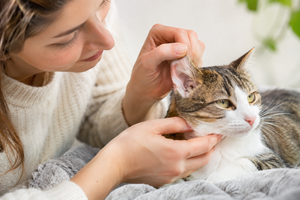
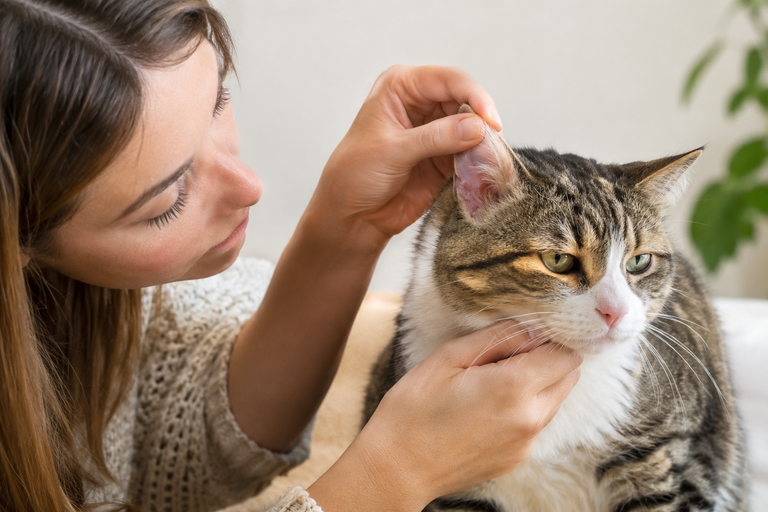
Check Your Cat’s Ears Regularly
Look for changes in colour, discharge, odour and scratching behaviour.
Do not force an examination if your cat appears uncomfortable.
Use Appropriate Parasite Prevention
Ask your vet about parasite control based on your cat’s age, lifestyle and exposure to other animals.
Products must be suitable for cats.
Never apply a dog-only parasite treatment to a cat.
Avoid Unnecessary Ear Cleaning
Healthy cat ears usually do not require frequent cleaning.
Overcleaning or using unsuitable products may irritate the ear canal.
Only use veterinary-recommended products when cleaning is necessary.
Manage Underlying Health Conditions
Cats with allergies or recurring ear inflammation may need a long-term management plan.
Addressing the underlying condition is often more effective than repeatedly treating individual flare-ups.
Attend Follow-Up Appointments
Even if scratching improves, the infection or inflammation may not have fully resolved.
Follow your vet’s instructions and complete prescribed treatment.
A Practical Ear Health Monitoring Checklist
This checklist can help you describe symptoms accurately during a veterinary appointment.
| Observation | What to record |
|---|---|
| Affected ear | Left, right or both |
| Head shaking | Occasional or frequent |
| Scratching | Mild, moderate or persistent |
| Discharge | Colour and amount |
| Odour | Normal or unusually strong |
| Pain | Reaction to gentle handling |
| Balance | Normal or abnormal |
| Duration | When symptoms first appeared |
| Previous episodes | Dates and treatments, if known |
Do not delay urgent care while collecting information.
Frequently Asked Questions
Can an ear infection in cats go away on its own?
Some mild irritation may improve, but a suspected infection should be assessed by a vet. Persistent symptoms can indicate parasites, infection or deeper ear disease.
Are cat ear infections contagious?
Most bacterial and yeast ear infections are not directly contagious. Ear mites, however, can spread between animals.
Why does my cat have brown ear discharge?
Brown discharge may result from ear mites, wax, inflammation or infection. A veterinary examination is needed to identify the cause.
Can an indoor cat develop an ear infection?
Yes. Indoor cats can develop infections, allergies, polyps and other ear problems.
How long does cat ear infection treatment take?
The duration depends on the cause and severity. Some uncomplicated outer ear problems improve within days of appropriate treatment, while deeper or recurring disease can require several weeks or longer.
Can I clean my cat’s ears with water?
Do not flush the ear canal with water. Ask your vet whether cleaning is necessary and which product is suitable.
Can ear infections make cats dizzy?
Yes. Disease affecting the inner ear can interfere with balance and coordination. Sudden dizziness or inability to walk normally requires urgent veterinary assessment.
Why does my cat keep getting ear infections?
Recurring symptoms may be associated with allergies, parasites, resistant infection, polyps or other underlying conditions. Further veterinary investigation may be necessary.
Final Thoughts
An ear infection in cats should not be ignored, especially when symptoms include persistent scratching, discharge, pain or repeated head shaking.
Although many outer ear conditions respond well to appropriate treatment, deeper infections can cause serious complications affecting hearing and balance.
Avoid unprescribed ear drops and home remedies. Early veterinary assessment and treatment of the underlying cause offer the best chance of recovery.
For more practical UK pet health advice, veterinary cost guidance and independent pet insurance information, explore PetCoverHQ.