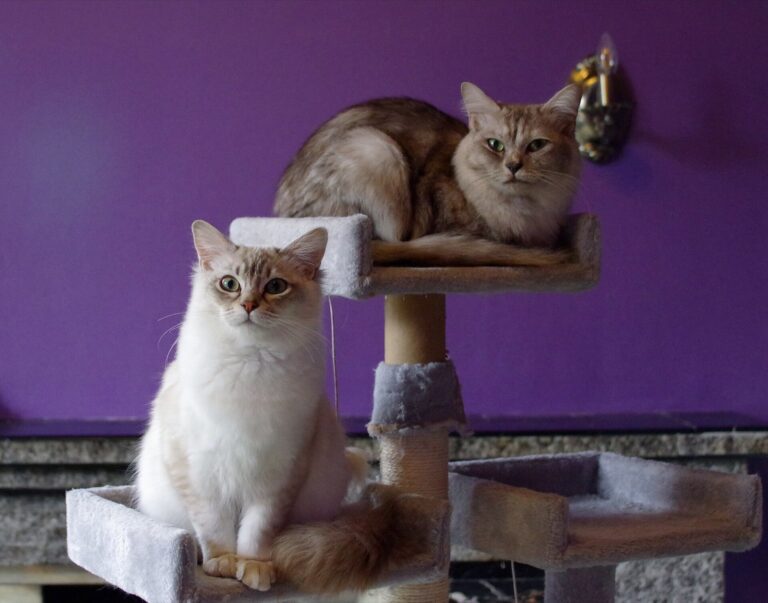
Learning how to stop a cat scratching furniture starts with understanding why cats scratch in the first place. Scratching is a natural and necessary behaviour that helps cats maintain their claws, stretch their muscles and communicate through scent and visible marks.
Unfortunately, your sofa, carpets and favourite chairs can become attractive scratching surfaces.
The solution is not to stop your cat from scratching altogether. Instead, you need to provide suitable alternatives and encourage your cat to use them.
According to Cats Protection and International Cat Care, choosing the right scratching surface, placing it in the correct location and rewarding appropriate behaviour can help protect your home.
In this PetCoverHQ guide, we explain how to stop a cat scratching furniture and carpets with seven practical tips, including scratching post selection, furniture protection and ways to identify stress-related scratching.
Why Do Cats Scratch Furniture?
Before learning how to stop a cat scratching furniture, it helps to understand the reasons behind this behaviour.
Cats Protection explains that scratching serves several important purposes.
Maintaining Healthy Claws
Scratching helps cats shed the outer layers of their claws.
You may occasionally find small claw husks near a favourite scratching area.
This is a normal part of claw maintenance.
Marking Territory
Cats have scent glands in their paws.
When they scratch, they leave both visible marks and scent signals.
These markings can communicate information to other cats.
Stretching Their Muscles
Cats often stretch and scratch after waking up.
A tall scratching post allows them to extend their bodies comfortably.
Expressing Excitement or Stress
Some cats scratch when excited or emotionally unsettled.
Scratching may also increase when a cat feels insecure about its surroundings.
Seeking Attention
Cats can learn that scratching furniture attracts a reaction from their owners.
Even negative attention may unintentionally reinforce the behaviour.
Understanding these motivations makes it easier to redirect scratching towards suitable surfaces.
How to Stop a Cat Scratching Furniture: 7 Best Tips
The following steps combine practical recommendations from Cats Protection and International Cat Care.
1. Choose a Tall and Sturdy Scratching Post
The first step in how to stop a cat scratching furniture is providing an alternative your cat genuinely enjoys using.
Cats often prefer sturdy surfaces that allow them to stretch and dig their claws in comfortably.
A suitable scratching post should have a stable base and enough height for your cat to extend its body.
| Scratching Post Feature | Why It Matters |
|---|---|
| Strong, heavy base | Prevents wobbling when your cat scratches |
| Sufficient height | Allows your cat to stretch fully |
| Suitable surface texture | Makes scratching comfortable and satisfying |
| Durable construction | Withstands repeated scratching |
| Appropriate orientation | Matches your cat’s preference for vertical or horizontal scratching |
Some cats prefer sisal rope, while others enjoy cardboard, wood or other textured materials.
A scratching post that is too small or unstable may be ignored.
If your adult cat still uses a short post purchased when it was a kitten, consider replacing it with a larger option.
2. Provide Both Vertical and Horizontal Scratchers
Not every cat prefers scratching upright.
Some cats naturally scratch horizontal surfaces such as carpets and rugs.
International Cat Care recommends matching the scratching surface to your cat’s preferences.
If your cat scratches the side of a sofa, offer a tall vertical scratching post.
If it scratches the carpet, try a flat cardboard scratcher or scratching mat.
You can also provide an angled scratching board.
Offering different options allows your cat to choose a comfortable position.
This is particularly useful in households with multiple cats.
3. Place Scratching Posts in the Right Locations
Correct placement is essential when learning how to stop a cat scratching furniture.
Cats Protection explains that cats frequently scratch after waking up.
Place a scratching post near your cat’s favourite sleeping area.
You should also position scratchers close to furniture your cat already scratches.
For example, if your cat repeatedly scratches the corner of your sofa, place a sturdy scratching post beside that corner.
Avoid hiding every scratching post in an unused room.
Your cat is more likely to use a scratching surface when it is located somewhere meaningful.
Useful locations include:
- Near favourite sleeping spots.
- Beside frequently scratched furniture.
- In rooms where your cat spends time.
- Near important areas of the home.
- In suitable locations along commonly used routes.
Once your cat consistently uses the post, you may be able to move it gradually to a more convenient position.
4. Encourage Your Cat to Use the Scratching Post
A scratching post is only helpful if your cat chooses to use it.
International Cat Care suggests using catnip for cats that respond positively to it.
You can also encourage exploration through play.
Move a wand toy around the scratching post so your cat naturally touches the surface.
Offer treats or gentle praise when your cat scratches the post.
Avoid grabbing your cat’s paws and forcing them against the material.
This may make the scratching post feel unpleasant.
Instead, allow your cat to investigate voluntarily.
Positive reinforcement is an important part of how to stop a cat scratching furniture without causing unnecessary stress.
5. Protect Your Sofa and Carpets Temporarily
While your cat learns to use alternative scratching surfaces, protect frequently damaged areas.
International Cat Care suggests covering vulnerable furniture with suitable protective materials.
Options include:
- Thick blankets over sofa arms.
- Furniture-safe protective coverings.
- Suitable one-sided adhesive protection films.
- Temporary barriers around frequently scratched areas.
Choose products that will not damage your furniture or create a hazard for your cat.
Avoid leaving loose adhesive materials where they could stick to your cat’s fur or be swallowed.
Place a suitable scratching post beside the protected area.
The aim is to make the furniture less appealing while providing an attractive alternative.
For carpets, try positioning a flat scratching mat directly over or beside the area your cat prefers.
6. Reward Good Scratching Behaviour
Reward-based training can help your cat develop new habits.
When your cat scratches an appropriate post or mat, provide a positive response.
This might include:
- A small treat.
- Gentle praise.
- A short play session.
- Positive attention.
Cats Protection recommends praising appropriate scratching behaviour rather than punishing unwanted scratching.
If your cat begins scratching furniture, avoid shouting or frightening it.
Instead, calmly encourage it towards a suitable scratching surface.
Consistent positive reinforcement helps your cat associate the alternative with enjoyable experiences.
Remember that changing an established habit may take time.
7. Identify and Reduce Stress-Related Scratching
Sometimes, understanding how to stop a cat scratching furniture requires looking beyond scratching posts.
Cats may scratch more frequently when they feel anxious or insecure.
Cats Protection notes that scratching around doors and windows can sometimes relate to territorial communication.
Potential triggers include:
- Unfamiliar cats outside the home.
- Tension between cats in the household.
- Changes in routine.
- Moving house.
- New pets or family members.
- Limited access to safe resting areas.
If your cat suddenly begins scratching in several new locations, consider whether something in its environment has changed.
Provide quiet resting areas, predictable routines and appropriate resources.
Synthetic feline pheromone products may help some cats, although results vary.
If scratching appears connected to significant anxiety or conflict, seek advice from your vet or a qualified feline behaviour professional.
How to Stop a Cat Scratching the Sofa
Sofas are particularly attractive to some cats because they provide sturdy, textured surfaces.
If your cat repeatedly scratches the same sofa corner, use a targeted approach.
First, place a tall, stable scratching post directly beside the damaged area.
Next, temporarily protect the sofa with a suitable cover.
Encourage your cat to explore the post through treats or play.
Reward appropriate scratching immediately.
Avoid moving the scratching post too far away before your cat has established the new habit.
Learning how to stop a cat scratching furniture is usually more successful when the alternative is placed close to the original scratching location.
How to Stop a Cat Scratching Carpets
Cats that scratch carpets may prefer horizontal surfaces.
Providing only vertical scratching posts may not address their needs.
Try a flat cardboard scratcher, scratching mat or another suitable horizontal surface.
Position it where your cat already scratches.
If your cat scratches near a doorway, consider whether the behaviour is related to territorial marking or stress.
Avoid using harsh deterrents that could frighten your cat.
Focus on offering an appealing alternative and reducing environmental triggers.
If your cat scratches carpets throughout the home, you may need several scratching surfaces.
Should You Trim Your Cat’s Claws?
Claw trimming may reduce the amount of damage caused by scratching, but it does not eliminate the need to scratch.
International Cat Care explains that cats still require suitable scratching surfaces even when their claws are trimmed.
Some cats maintain their claws adequately through normal activity.
Others, particularly older or less active cats, may need help with claw care.
If trimming is necessary, use appropriate cat nail clippers and avoid cutting the sensitive quick.
Ask your vet or a qualified veterinary nurse to demonstrate safe trimming if you are unsure.
Never attempt to force a frightened cat through the process.
Why Does My Cat Suddenly Scratch More Furniture?
An increase in scratching can sometimes indicate a change in your cat’s environment.
For example, a new cat appearing outside a window may make your cat feel less secure.
Changes in household routines can also contribute to stress.
Look for other behavioural changes, including:
- Hiding more frequently.
- Changes in appetite.
- Increased vocalisation.
- Avoiding other pets.
- Changes in toileting habits.
- Reduced interest in play.
These signs do not necessarily mean your cat is stressed, but they may indicate that something needs attention.
If the behaviour changes suddenly or you notice possible signs of illness, consult your vet.
You may also notice other natural feline behaviours alongside scratching.
Our guide to why cats knead explains another common behaviour involving a cat’s paws.
Common Mistakes When Trying to Stop Cat Scratching
Even owners who understand how to stop a cat scratching furniture can make mistakes that delay progress.
Punishing Your Cat
Shouting, spraying water or frightening your cat can increase anxiety.
These methods do not address the underlying need to scratch.
Choosing an Unstable Scratching Post
Cats may avoid posts that wobble or tip over.
Choose a stable design suitable for your cat’s size.
Putting the Scratching Post Somewhere Hidden
A scratching post placed in an unused corner may not appeal to your cat.
Position it near preferred scratching areas.
Offering Only One Scratching Surface
Some cats prefer vertical scratching, while others prefer horizontal surfaces.
Provide suitable options.
Ignoring Possible Stress
If scratching is related to insecurity, simply adding another post may not solve the problem.
Consider environmental changes and seek professional guidance when needed.
Do Indoor Cats Need Scratching Posts?
Yes. Indoor cats still have the same natural scratching needs as outdoor cats.
Cats Protection explains that indoor cats need appropriate scratching opportunities within the home.
Provide sturdy posts, scratching mats and suitable enrichment activities.
Indoor cats also benefit from play, climbing opportunities and comfortable resting spaces.
Regularly check scratching surfaces for wear and replace them when they become unstable or unsafe.
Although indoor cats may have fewer outdoor hazards, they can still experience illness or injury.
Our guide to pet insurance for indoor cats in the UK explores relevant health and insurance considerations.
Frequently Asked Questions
How do I stop my cat scratching furniture?
Provide a stable scratching post near the furniture, reward your cat for using it and temporarily protect damaged areas. Avoid punishment and consider whether stress is contributing to the behaviour.
Why does my cat scratch the sofa when it has a scratching post?
Your cat may prefer the sofa’s texture, location or stability. Try a taller, sturdier post positioned beside the sofa.
Do scratching posts really work?
Yes, suitable scratching posts can provide an appropriate outlet for natural scratching behaviour. Their effectiveness depends on the design, placement and your cat’s preferences.
Can I stop my cat scratching carpets?
You can redirect carpet scratching by offering horizontal scratching mats or cardboard scratchers in preferred locations.
Should I punish my cat for scratching furniture?
No. Punishment can frighten your cat and may increase stress. Positive reinforcement and suitable scratching alternatives are preferable.
Can stress cause cats to scratch more?
Yes. Scratching may increase when a cat feels insecure or experiences environmental changes. Consult your vet if the behaviour changes suddenly or becomes excessive.
Conclusion
Learning how to stop a cat scratching furniture is about redirecting natural behaviour rather than preventing scratching altogether.
Choose sturdy scratching posts, offer different textures and place them near your cat’s preferred scratching areas.
Reward appropriate behaviour and protect vulnerable furniture while new habits develop.
If scratching increases suddenly or appears linked to anxiety, investigate possible stressors and seek professional guidance when necessary.
With patience and suitable alternatives, you can help protect your furniture while supporting your cat’s natural needs.
For more cat behaviour, care and UK pet insurance information, explore PetCoverHQ.
This article provides general cat care information and does not replace advice from a qualified veterinary or feline behaviour professional.