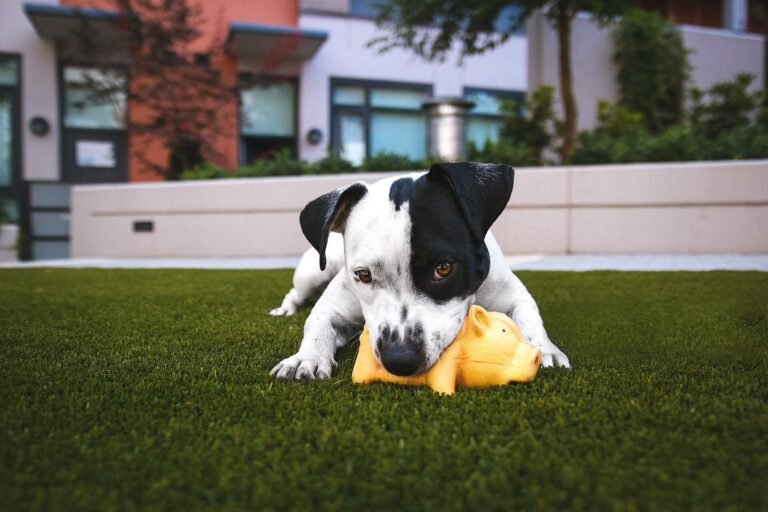
Learning how to stop a puppy biting is one of the first challenges many new dog owners face. Puppies explore their surroundings with their mouths, and their sharp little teeth can make even playful nipping uncomfortable.
Fortunately, puppy biting is usually a normal part of development. Young dogs use their mouths during play, while teething can increase their desire to chew.
The aim is not to eliminate every form of mouthing immediately. Instead, you want to teach your puppy that toys are appropriate for chewing and that biting people brings playtime to an end.
According to Dogs Trust, Battersea and the RSPCA, consistent reward-based training can help puppies develop better habits.
In this PetCoverHQ guide, you will learn how to stop a puppy biting in five practical steps, what triggers excessive mouthing, when puppies usually grow out of it and when professional advice may be needed.
Why Do Puppies Bite?
Before learning how to stop a puppy biting, it helps to understand why this behaviour happens.
Puppies bite and mouth for several reasons, and not all biting has the same meaning.
Exploring the World
Young puppies investigate unfamiliar objects through their mouths.
They may chew toys, clothing, furniture and sometimes your hands.
This is a normal part of learning about their environment.
Playing With People and Other Dogs
Puppies naturally use their mouths when playing.
The RSPCA explains that puppies develop bite inhibition through interactions with other puppies and dogs.
If a puppy bites too hard during play, the other dog may stop interacting.
This helps teach the puppy that excessive biting can end an enjoyable activity.
Teething Discomfort
Teething can increase chewing and mouthing.
The Blue Cross explains that puppies go through a teething period as their adult teeth develop.
The PDSA notes that baby teeth begin falling out at around four months, with most puppies developing their adult teeth by approximately six months.
Chewing suitable toys may help puppies cope with gum discomfort.
Tiredness and Overexcitement
Some puppies become increasingly mouthy when they are tired or overstimulated.
Dogs Trust explains that overtired puppies can become more excitable rather than simply falling asleep.
Seeking Interaction
Puppies can learn that nipping attracts attention.
If biting your sleeves makes you move, shout or start playing, your puppy may repeat the behaviour.
Understanding these triggers makes training more effective.
How to Stop a Puppy Biting in 5 Steps
The following method combines recommendations from Dogs Trust, Battersea and the RSPCA.
When learning how to stop a puppy biting, consistency is more important than expecting immediate results.
Step 1: Redirect Biting Towards a Suitable Toy
Keep appropriate puppy toys nearby during play.
If your puppy begins mouthing your hands, clothing or ankles, offer a suitable toy instead.
Choose toys that are safe for your puppy’s size and chewing habits.
For example, a soft tug toy may help keep your hands away from your puppy’s mouth.
Make the toy interesting by moving it gently along the floor.
When your puppy begins chewing or playing with the toy, praise the behaviour.
Avoid encouraging your puppy to chase your fingers or bite your hands during games.
The goal is to make toys more rewarding than human skin or clothing.
Step 2: Stay Calm When Your Puppy Bites
If your puppy bites your hand, avoid suddenly pulling it away.
Fast movements can make your hand resemble a moving toy.
Instead, pause and remain as calm as possible.
Do not shout, hit or physically punish your puppy.
These reactions may increase excitement or cause fear.
Dogs Trust recommends managing mouthing calmly and redirecting puppies towards suitable activities.
If your puppy releases your hand, offer an appropriate toy.
Remaining calm helps prevent accidental reinforcement of biting.
Step 3: Stop Play Briefly When Biting Continues
One of the most useful lessons in how to stop a puppy biting is teaching that rough mouthing ends the game.
If your puppy continues biting despite being offered a toy, calmly pause the interaction.
Stop moving the toy and withdraw attention briefly.
If necessary, step away behind a suitable barrier for a short period.
Avoid turning the situation into a chase.
Return when your puppy is calm enough to interact appropriately.
This helps your puppy learn that gentle play continues while excessive biting interrupts the fun.
Keep breaks short and predictable.
Do not leave your puppy isolated or distressed as punishment.
Step 4: Reward Calm and Gentle Behaviour
Rewarding desirable behaviour is just as important as responding to unwanted biting.
When your puppy chooses a toy, settles calmly or interacts without nipping, offer praise or a small treat.
You can also reward your puppy for sitting quietly before play begins.
This teaches your dog that calm behaviour brings positive attention.
For example:
- Reward your puppy for picking up a chew toy.
- Praise gentle interactions.
- Offer treats when your puppy settles.
- Restart play when your puppy is calm.
- Encourage appropriate chewing activities.
Avoid waiting until your puppy bites before offering attention.
Regularly rewarding good behaviour helps make it more likely to happen again.
Step 5: Make Sure Everyone Follows the Same Rules
Consistency is essential when teaching how to stop a puppy biting.
If one family member encourages rough play while another discourages it, your puppy may receive confusing signals.
Agree on a simple approach.
Everyone should redirect biting towards toys, pause play when mouthing becomes excessive and reward appropriate behaviour.
Children should be supervised closely around puppies.
Teach them not to encourage biting through rough games or fast hand movements.
A consistent household routine helps your puppy understand what is expected.
Common Puppy Biting Triggers and How to Manage Them
Understanding the circumstances that increase mouthing can help you prevent problems before they start.
| Trigger | Why Biting May Increase | What to Try |
|---|---|---|
| Teething | Sore gums encourage chewing | Offer suitable puppy chew toys |
| Tiredness | Overtired puppies may become excitable | Provide regular rest |
| Overstimulation | Long play sessions increase excitement | Introduce short breaks |
| Boredom | Puppies seek interaction and stimulation | Offer appropriate enrichment |
| Frustration | Puppies may struggle to manage excitement | Use calm, reward-based training |
| Moving feet or clothing | Movement can trigger chasing and grabbing | Redirect towards toys |
| Fear or discomfort | Biting may be defensive | Stop the interaction and seek advice |
Not every puppy responds to the same approach.
Observe your puppy’s body language and adjust activities to its individual needs.
How to Stop a Puppy Biting Hands
Hands are common targets during puppy play.
Owners often unintentionally encourage this behaviour by allowing puppies to nibble their fingers.
To reduce hand biting:
- Avoid using your hands as toys.
- Keep a suitable toy nearby during interactions.
- Redirect mouthing towards the toy.
- Pause play if biting continues.
- Reward gentle behaviour.
If your puppy repeatedly bites while being stroked, consider whether it is becoming overexcited or uncomfortable.
Allow your puppy to move away when it wants to.
Avoid restraining it simply to continue physical contact.
How to Stop a Puppy Biting Feet and Ankles
Some puppies become excited by moving feet, trousers or shoelaces.
Running away can make the behaviour more rewarding because it turns your movement into a chasing game.
If your puppy begins nipping at your ankles, stop moving when it is safe to do so.
Offer a suitable toy and reward your puppy for engaging with it.
You may find it helpful to keep toys in areas where biting frequently occurs.
For example, place a tug toy near the living room or hallway.
Avoid kicking, pushing or frightening your puppy.
If children are being nipped, supervise interactions and prevent chasing games.
Battersea suggests that protective footwear, such as Wellington boots, may help protect children’s feet during the training period.
However, supervision and appropriate management remain essential.
Why Does My Puppy Bite More in the Evening?
Many owners notice that their puppies become particularly mouthy during the evening.
This can happen when a puppy is tired, excited or has experienced too much stimulation.
Dogs Trust explains that overtired puppies may appear unusually energetic.
Your puppy might:
- Run around suddenly.
- Grab clothing.
- Bite hands or ankles.
- Struggle to settle.
- Become more vocal.
- Ignore familiar cues.
These behaviours do not automatically mean your puppy needs more exercise.
Sometimes, a quiet environment and an opportunity to rest are more helpful.
Creating a Calmer Evening Routine
Try offering a suitable chew toy, reducing stimulating games and providing a comfortable resting area.
Keep play sessions manageable.
Dogs Trust suggests taking short breaks during play to help prevent excessive excitement.
If your puppy uses a crate or another designated resting space, introduce it positively and never use it as punishment.
How to Manage Puppy Teething and Chewing
Teething is a major reason puppies chew more frequently.
As adult teeth develop, puppies may seek different textures to chew.
Provide safe, age-appropriate toys designed for puppies.
Inspect toys regularly for damage.
Avoid objects that are too hard, too small or likely to break into pieces.
Supervise chewing when appropriate, particularly with unfamiliar products.
Do not give your puppy household objects that resemble items you do not want it to chew.
For example, allowing a puppy to chew old shoes may make it difficult to distinguish between acceptable and unacceptable footwear.
If your puppy appears to be in significant pain, refuses food or has unusual oral symptoms, contact your vet.
When Do Puppies Stop Biting?
According to Battersea, many puppies begin growing out of frequent mouthing at approximately five to six months of age.
However, development varies between individuals and breeds.
Some larger breeds may continue showing mouthy behaviour for longer as they mature.
The important thing is to look for gradual improvement.
With consistent training, biting should generally become less frequent or less intense.
If your puppy continues biting forcefully or the behaviour becomes more concerning, seek professional advice.
Do not assume that every puppy will automatically stop biting at exactly six months.
Is Puppy Biting a Sign of Aggression?
Puppy play biting is not automatically aggression.
The RSPCA explains that playful mouthing often occurs with relatively relaxed body language.
However, biting can also happen when a puppy feels frightened, threatened or uncomfortable.
Warning signs that deserve attention may include:
- Stiff or tense body posture.
- Repeated defensive reactions.
- Biting when approached or handled.
- Attempts to escape an interaction.
- Escalating intensity.
- Biting associated with pain or distress.
Growling does not always mean aggression, and context matters.
Do not punish a puppy for growling because growling can be an important warning signal.
If you are unsure about the behaviour, consult your vet or a qualified reward-based behaviour professional.
Common Mistakes When Trying to Stop Puppy Biting
Even well-intentioned owners can make training harder by responding inconsistently.
Shouting or Punishing
Physical punishment or frightening responses can damage trust and increase anxiety.
Use calm redirection and reward-based methods.
Encouraging Rough Hand Games
Wrestling with your hands may teach your puppy that human skin is an acceptable play target.
Use toys instead.
Playing for Too Long
Long, intense play sessions can lead to overstimulation.
Introduce breaks before your puppy becomes excessively excited.
Ignoring the Need for Sleep
Puppies need plenty of rest.
A tired puppy may struggle to regulate its behaviour.
Expecting Immediate Results
Learning takes time.
Progress may be uneven, especially during teething.
Failing to Reward Appropriate Behaviour
If your puppy only receives attention when biting, it may continue using mouthing to start interactions.
Reward calm behaviour regularly.
How to Keep Children Safe Around a Biting Puppy
Puppies and children should always be supervised together.
Young children may unintentionally excite puppies by running, shouting or waving their hands.
Teach children to remain calm around the puppy.
Avoid encouraging rough games.
Give your puppy somewhere quiet to rest without being disturbed.
If your puppy becomes overly excited, separate the interaction calmly and offer a suitable activity.
Never expect young children to manage puppy biting without adult supervision.
When Should You Get Professional Help?
Although puppy mouthing is common, some situations require professional support.
Contact your vet if:
- Biting suddenly becomes more frequent or intense.
- Your puppy appears painful or unwell.
- Biting occurs during routine handling.
- Your puppy repeatedly bites hard enough to injure someone.
- The behaviour is associated with significant fear or distress.
- Training is not helping and the problem is escalating.
Dogs Trust recommends seeking veterinary advice to rule out possible medical causes.
A suitably qualified behaviour professional can then help identify triggers and develop an appropriate training plan.
Do not attempt to manage potentially dangerous aggression without professional guidance.
Puppy Biting, Chewing and Veterinary Costs
Mouthy puppies may also chew objects that are unsafe to swallow.
Items such as socks, pieces of toys and household materials can cause serious problems if ingested.
According to the figure supplied in the original article, Animal Friends reported an average dog claim of £1,320 for swallowed objects in 2025.
Actual veterinary costs vary depending on the object, treatment required and individual case.
If you suspect your puppy has swallowed something dangerous, contact your vet promptly.
Our guide to puppy insurance in the UK explains important considerations when comparing cover for young dogs.
You can also explore accident-only pet insurance to understand how this type of policy differs from broader accident-and-illness cover.
Always check exclusions, limits and waiting periods before purchasing insurance.
Frequently Asked Questions About Puppy Biting
How do I stop my puppy biting me?
Redirect your puppy towards suitable toys, pause play when biting continues and reward calm behaviour. Make sure everyone in your household follows the same approach.
Should I tell my puppy off for biting?
No. Punishment can increase fear or excitement. Calm, reward-based training is recommended by UK animal welfare organisations.
Why does my puppy bite more at night?
Your puppy may be overtired or overstimulated. A calmer routine, suitable chew toys and regular rest can help.
When do puppies stop biting?
Many puppies begin to grow out of frequent mouthing at around five to six months, although some continue for longer.
Is puppy biting and growling normal?
Mouthing and vocalisation can occur during play, but biting may also reflect fear or discomfort. Consider body language and seek professional advice if concerned.
How do I stop my puppy biting clothes?
Avoid pulling clothing away rapidly, which may encourage chasing. Redirect your puppy towards a toy and reward appropriate play.
Can teething make puppy biting worse?
Yes. Teething can increase the desire to chew. Provide suitable puppy chew toys and seek veterinary advice if your puppy appears uncomfortable or unwell.
Conclusion
Learning how to stop a puppy biting requires patience, consistency and an understanding of normal puppy development.
Puppies use their mouths to explore, play and cope with teething.
Redirect biting towards suitable toys, pause play when mouthing becomes excessive and reward calm behaviour.
Remember that tiredness, excitement and frustration can increase biting, so provide regular rest and manageable play sessions.
Most puppies improve as they mature, but seek professional advice if biting becomes more intense or appears linked to fear or pain.
For more puppy training, health and UK pet insurance information, explore PetCoverHQ.
This article provides general puppy care information and does not replace advice from a qualified veterinary or animal behaviour professional. Insurance information is general and does not constitute financial advice.