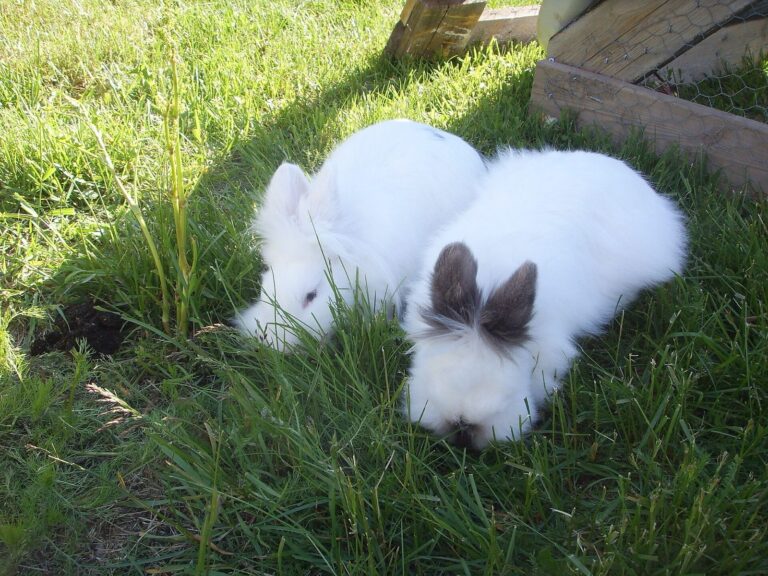
What do rabbits eat? Pet rabbits need a fibre-rich diet made up primarily of good-quality hay or grass, supported by fresh leafy greens, a small quantity of suitable pellets and constant access to clean drinking water.
Although rabbits are often pictured eating carrots, carrots and fruit should only be occasional treats. Hay is the most important part of their daily diet because it supports healthy digestion and helps wear down their continuously growing teeth.
The Rabbit Welfare Association and Fund (RWAF) recommends a general diet consisting of approximately 85% hay or grass, 10% leafy greens and 5% pellets.
However, not every rabbit receives the right balance. According to figures supplied from the PDSA’s 2026 PAW Report, 13% of rabbits were still fed muesli-style food as one of their main foods.
In this PetCoverHQ guide, we explain what rabbits eat, how much to feed them, which vegetables and fruits are suitable, and seven essential feeding tips for UK rabbit owners.
What Do Rabbits Eat Every Day?
A healthy adult rabbit’s diet should closely reflect its natural feeding behaviour.
Rabbits are herbivores that depend on fibrous plant material to support their digestive system.
The Rabbit Welfare Association and Fund recommends the following general dietary proportions.
| Food Type | Recommended Proportion | Main Purpose |
|---|---|---|
| Hay or grass | Approximately 85% | Supports digestion and dental wear |
| Leafy greens and herbs | Approximately 10% | Provides variety and additional nutrients |
| Suitable pellets or nuggets | Approximately 5% | Complements the main diet |
| Fresh drinking water | Available at all times | Supports hydration and normal body functions |
These proportions are general guidance rather than a precise formula for every rabbit.
Young, pregnant, nursing, elderly or unwell rabbits may have different nutritional requirements.
Ask a rabbit-experienced vet for advice if your pet has special dietary needs.
How Much Should You Feed a Rabbit Each Day?
Understanding what rabbits eat is only part of responsible feeding.
Portion sizes are also important.
The RWAF and PDSA provide slightly different practical measurements, but both emphasise unlimited hay and restricted pellet portions.
| Food | Daily Feeding Guidance | Important Notes |
|---|---|---|
| Hay or grass | Unlimited; provide at least a rabbit-sized bundle | Should form most of the diet |
| Leafy greens and herbs | An adult-sized handful twice daily (PDSA), or around 100 g for a 2.5 kg rabbit (RWAF) | Offer a variety of suitable greens |
| Pellets or nuggets | Around 15 g per kg of body weight daily (RWAF) | Adjust according to body condition and veterinary advice |
| Water | Unlimited access | Replace with clean, fresh water regularly |
| Fruit and sugary vegetables | Small, occasional treats | Do not replace hay or leafy greens |
For example, the RWAF guideline of 15 g of pellets per kilogram gives a 2.5 kg adult rabbit approximately 37.5 g of pellets per day.
However, this is a starting point rather than a guaranteed suitable portion for every rabbit.
The PDSA also provides tablespoon-based guidance, which may differ depending on the product.
Monitor your rabbit’s weight and body condition rather than relying on portion measurements alone.
The RWAF’s Rabbit Size-O-Meter can help owners assess body condition.
Why Is Hay So Important for Rabbits?
Hay is the foundation of a healthy rabbit diet.
Without sufficient fibre, rabbits can develop serious dental and digestive problems.
Hay Helps Wear Down Rabbit Teeth
Rabbit teeth grow continuously throughout their lives.
Chewing hay and grass encourages the grinding movements needed to wear teeth down.
The RWAF explains that inadequate dental wear can contribute to sharp points developing on teeth.
These may injure the tongue or cheeks and make eating painful.
Dental problems can become serious if they are not recognised early.
Hay Supports Healthy Digestion
Rabbits have a specialised digestive system designed to process large amounts of fibrous plant material.
Long-strand fibre supports normal gut movement.
A diet lacking sufficient fibre increases the risk of digestive problems.
Feeding Hay Is Different From Bedding Hay
The PDSA distinguishes between hay intended for feeding and hay used mainly for bedding.
Feeding hay is generally selected for its nutritional quality, freshness and suitability for eating.
Choose clean, dry, good-quality hay that smells fresh and is free from visible mould.
Avoid feeding dusty, damp or spoiled hay.
What If Your Rabbit Refuses Hay?
Some rabbits become accustomed to eating too many pellets and show little interest in hay.
Try offering fresh, suitable varieties and placing hay in locations where your rabbit naturally feeds.
You can also make hay more accessible near litter areas, provided it stays clean.
Do not abruptly remove food from a rabbit that is already eating poorly.
If your rabbit persistently refuses hay, seek veterinary advice because dental pain or another health problem may be involved.
What Vegetables Can Rabbits Eat?
Fresh leafy vegetables and herbs provide variety alongside the main hay-based diet.
The RWAF maintains a list of suitable vegetables and herbs for rabbits.
Safe Leafy Greens
Examples include:
- Rocket.
- Romaine lettuce.
- Lamb’s lettuce.
- Watercress.
- Carrot tops.
- Radish tops.
- Beetroot leaves.
- Dandelion leaves from safe, uncontaminated areas.
Introduce unfamiliar greens gradually and monitor your rabbit’s droppings and appetite.
A mixture of suitable greens can provide variety.
However, not every rabbit tolerates every food equally well.
Safe Herbs for Rabbits
The RWAF’s recommended vegetables and herbs guide includes several commonly available herbs.
Examples are:
- Basil.
- Coriander.
- Dill.
- Mint.
- Parsley.
- Thyme.
Some greens and herbs, including parsley, contain relatively high amounts of calcium.
Rotate different suitable foods rather than relying heavily on one item.
If your rabbit has urinary or other health problems, ask your vet which greens are appropriate.
What Fruit Can Rabbits Eat?
Fruit is not an essential part of a rabbit’s diet.
Most fruits contain natural sugars, so they should be offered only in very small amounts as occasional treats.
Suitable examples mentioned by the RWAF include:
| Fruit | Feeding Advice |
|---|---|
| Apple | Small pieces with seeds and core removed |
| Banana | Very small occasional pieces |
| Blueberries | Small occasional amounts |
| Strawberries | Small occasional pieces |
| Raspberries | Small occasional amounts |
| Melon | Small occasional pieces without rind or seeds |
Introduce new foods gradually.
Avoid feeding large portions of fruit because excess sugar can interfere with a balanced diet.
Hay and leafy greens should remain the priority.
What Foods Should Rabbits Avoid?
Knowing what rabbits eat also means recognising foods that should not be offered.
Some foods are unsuitable because they contain too much sugar or starch.
Others may contain harmful compounds.
| Food | Why to Avoid It |
|---|---|
| Muesli-style rabbit mixes | Encourage selective feeding and unbalanced nutrition |
| Chocolate | Contains substances toxic to many animals |
| Bread and biscuits | Unsuitable processed foods high in starch |
| Potatoes and potato plants | Unsuitable and potentially harmful |
| Tomato leaves and stems | Contain potentially harmful plant compounds |
| Aubergine | Listed among foods to avoid in the supplied RWAF guidance |
| Chilli peppers | Not appropriate rabbit food |
| Grass clippings | Can spoil rapidly and cause illness |
| Large quantities of carrots or fruit | Excess sugar can disrupt dietary balance |
Do not feed unknown garden plants or wild vegetation unless you can identify them confidently and know they are safe.
Avoid plants treated with pesticides or collected from contaminated areas.
If you suspect your rabbit has eaten something poisonous, contact your vet promptly.
What Do Rabbits Eat? 7 Essential Feeding Tips
The following tips can help UK owners establish a healthier feeding routine.
1. Provide Unlimited Fresh Hay
Hay should always be available.
Replace soiled or spoiled hay and ensure your rabbit has plenty of clean feeding hay throughout the day.
2. Offer a Variety of Leafy Greens
Provide suitable fresh greens and herbs in appropriate portions.
Introduce unfamiliar foods gradually to avoid sudden digestive changes.
3. Measure Pellet Portions Carefully
Pellets should complement hay rather than replace it.
Use your rabbit’s body weight, body condition and veterinary advice to guide portions.
4. Avoid Muesli-Style Rabbit Food
Muesli mixes allow rabbits to select preferred pieces and leave others.
Choose suitable uniform pellets or nuggets instead.
5. Keep Fresh Water Available
Provide constant access to clean drinking water.
Check bowls or bottles regularly to ensure they are working and remain clean.
6. Limit Sugary Treats
Carrots and fruit should be occasional extras.
Do not allow treats to reduce your rabbit’s appetite for hay.
7. Monitor Eating Habits and Droppings
Changes in appetite, drinking, body weight or droppings may indicate a health problem.
Seek veterinary advice promptly if you notice concerning changes.
Common Rabbit Feeding Mistakes in the UK
The PDSA’s 2026 PAW Report highlights continuing concerns about rabbit nutrition.
According to the figures supplied:
- 82% of owners who fed hay provided unlimited access.
- 16% provided less than the recommended amount.
- 13% of rabbits were fed muesli-style food as a main food.
- 46% of rabbit owners felt there was insufficient information about feeding.
- 25% of rabbits were not registered with a veterinary practice.
These figures suggest that feeding education remains important.
Feeding Too Many Pellets
Large pellet portions can reduce hay consumption.
This may contribute to an unbalanced diet and inadequate fibre intake.
Treating Carrots as a Staple Food
Carrots are commonly associated with rabbits, but they contain relatively high amounts of sugar.
They should be treats rather than daily staples.
Feeding Muesli Mixes
Selective feeding can leave rabbits with an unbalanced intake of nutrients.
Uniform pellets are generally recommended instead.
Changing Foods Too Quickly
Sudden changes may upset a rabbit’s sensitive digestive system.
Introduce new foods gradually.
How to Change Your Rabbit’s Diet Safely
If your rabbit currently eats an unsuitable diet, avoid making abrupt changes.
The PDSA recommends transitioning gradually over approximately two to four weeks.
For example, when changing from muesli to suitable pellets, gradually reduce the old food while increasing the replacement.
Continue offering unlimited hay.
Introduce new leafy greens in small amounts.
Observe your rabbit’s appetite, droppings and general behaviour.
If your rabbit is underweight, unwell or has an existing digestive condition, seek veterinary guidance before changing its diet.
Fresh grass should also be introduced gradually.
Never feed grass clippings collected from a lawnmower.
Why Is My Rabbit Not Eating?
A rabbit that stops eating needs urgent veterinary attention.
Rabbits depend on regular food intake to support normal digestive activity.
The PDSA warns that reduced gut movement can develop into a potentially life-threatening condition called gastrointestinal stasis.
Warning signs may include:
- Refusing food.
- Producing fewer or no droppings.
- Sitting hunched or appearing uncomfortable.
- Becoming unusually quiet.
- Grinding teeth in apparent pain.
- Showing abdominal discomfort.
If your rabbit stops eating or producing droppings, contact a vet immediately. Do not wait until the following day.
Dental problems are another possible reason rabbits may struggle to eat.
Our guide to how long rabbits live explores rabbit lifespan and common health concerns.
You can also read our guide to rabbit insurance in the UK to understand the types of veterinary costs that may be covered.
How Much Does Rabbit Dental Care Cost?
Dental problems can affect rabbits when teeth do not wear correctly or develop abnormalities.
Treatment costs depend on the condition, diagnostic tests, veterinary practice and required procedures.
Some rabbits need ongoing dental care.
If you are considering insurance, check whether dental illness is covered and whether conditions apply.
Our guide to pet insurance dental cover in the UK explains important policy considerations.
Always check the full terms, including exclusions, waiting periods and pre-existing condition rules.
Frequently Asked Questions About Rabbit Food
What do rabbits eat every day?
Rabbits should eat mainly hay or grass, supported by suitable leafy greens, a small amount of pellets and unlimited clean water.
Can rabbits eat carrots?
Yes, but carrots should only be offered in small amounts as occasional treats because they contain sugar.
Can rabbits eat lettuce?
Some types are suitable, including romaine lettuce and lamb’s lettuce. Offer them as part of a varied selection of leafy greens.
What fruit can rabbits eat?
Rabbits can have small occasional portions of suitable fruits such as apple without seeds, banana, blueberries, strawberries, raspberries and melon.
Can rabbits eat grass?
Yes, fresh grass can form part of a rabbit’s diet when introduced gradually and obtained from a safe, untreated area. Avoid lawnmower clippings.
Do rabbits need pellets?
Suitable pellets can complement a balanced diet, but they should form only a small proportion of the food offered. Hay remains the priority.
What should I do if my rabbit stops eating?
Contact a vet immediately. Reduced appetite or a lack of droppings can indicate a serious digestive or dental problem.
Conclusion
What do rabbits eat? A healthy adult rabbit’s diet should consist mainly of unlimited good-quality hay or grass, with appropriate leafy greens, a measured quantity of suitable pellets and constant access to fresh water.
Avoid muesli-style foods, limit sugary treats and introduce dietary changes gradually.
Pay attention to your rabbit’s body condition, appetite and droppings, and seek veterinary advice promptly if anything changes.
With appropriate nutrition and regular veterinary care, you can support your rabbit’s long-term health and wellbeing.
For more rabbit care, health and UK pet insurance information, explore PetCoverHQ.
This article provides general rabbit care information and does not replace advice from a rabbit-experienced veterinary professional. Insurance information is general and does not constitute financial advice.